- Published on
First Three Weeks: Plymouth to Granada
- Authors
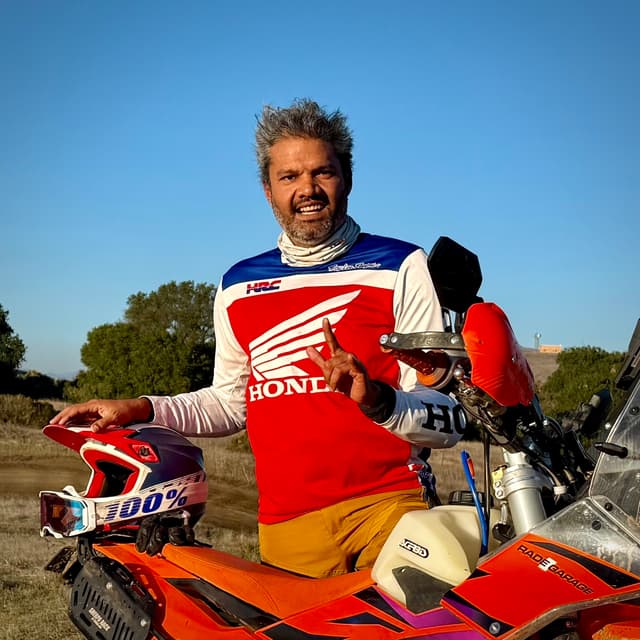
It has been a little over three weeks since I left. I am writing this from an Airbnb outside Barcelona, doing two days of work before catching the overnight ferry to Sardinia. Some of what follows is fresh. Some of it is already fading. That is part of why I am writing it down.
I planned this trip for months. I wrote about the route back in February. Roughly none of that plan survived contact with reality, which I think is the most honest thing I can say about the first three weeks.
This is the first of what will probably be three or four posts. Friends have been asking how it is going. Future me is going to want to remember what happened. So here it is, with the messy bits left in.
The possibility of not coming back
In the weeks before flying out, I did something I should have done years ago. I tied off loose ends.
Riding a motorcycle is inherently dangerous. Riding one solo for ninety days across countries you do not know, in weather you cannot predict, on roads you have never seen, adds to that. I do not know if the statistics back this up. It just felt true. So I planned for the possibility that I would not come back.
I drafted a will. I should have set up a trust, but I did not give myself enough time. I wrote clear instructions about the house, the business, the vehicles, the investments, the digital accounts and so on. I asked my friend Brian if he would support with handling the technology side, the passwords, the shutdown of online things, the wind-down of the business. I thought carefully about my kids, my ex, my mother, my friends and other people in my life.
It is surprisingly freeing to tie those things off. It made me notice how many loose ends I carry around all the time. Papers not filed. Taxes not done. Things I have not said to people I love. We carry the weight of all of that without realizing it, and we only feel the lightness when we put some of it down.
The logistics were easier than I expected. My ex was supportive about my being away for three months, which I almost did not ask about because I had already decided in my head she would say no. The kids had a stretch of school vacation that reduced what she needed to cover. My old neighbor and friend, Roz, agreed to live in the house and look after my cats. My close friends from the men's circle showed up for me. One friend agreed to be the executor of the will. Another drove me to the airport and is using my truck while I am away. A few others have been checking in on me on the road. I want to explicitly name the support I've had because it is easy to take for granted and yet, it's hard to imagine the trip without.
Week one: the insurance saga
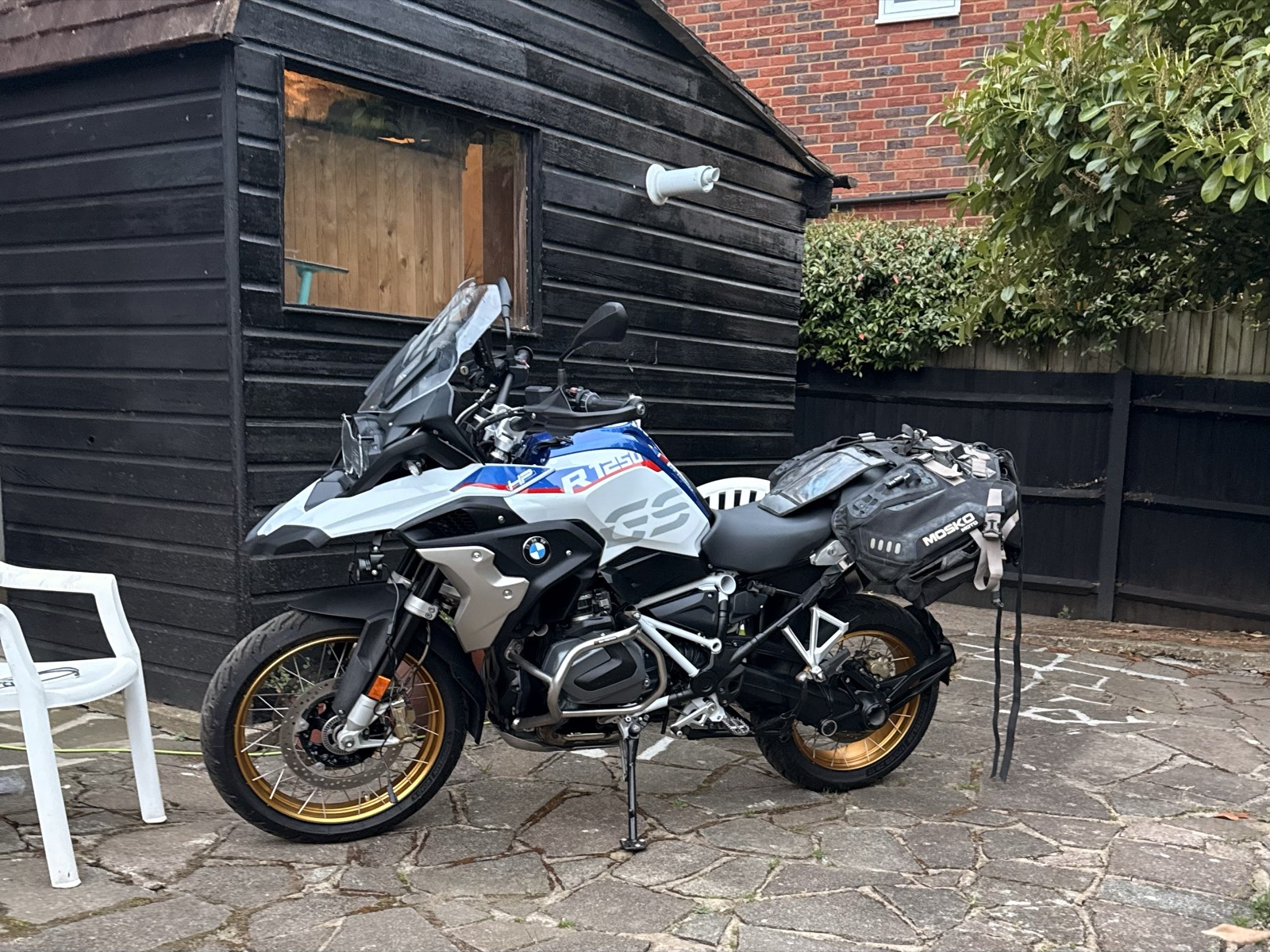
I landed in London the first week of May and stayed with my friends Sri and Shama. Sri and I have known each other a long time. Their home was the soft landing the first week needed, because what followed was a mess.
I had to insure the bike. I called a broker back in February to scope it. The setup is unusual. I live in California. I bought a bike in London, stored at Sri's house, planning to ride it across eighteen-ish countries. In February they said yes, they could cover it. I held off buying the policy because I did not want to pay for three months of insurance I would not be using.
When I called back in May to actually buy the policy, I was excited about the trip. I told them everything. The full list of countries. The off-road plans. The ferries. The duration. They said no. Too much risk.
The information was the same. The framing was not. Same trip, same person, same bike. I made it sound like a higher-risk policy by describing it differently.
I tried other brokers. I got scammed with a policy that I later found out was not real. I eventually found a guy in Germany through a Facebook group of motorcycle travellers. He would cover me everywhere in Europe except the UK, which meant I could not legally ride the bike in the country it was sitting in.
The fix, in the end, was not from AI tools or comparison sites. It was from humans on a forum sharing phone numbers of other humans. Almost everything useful about this first week came through personal connections.
The clutch, the van, the JB Weld
Because I could not insure the bike in the UK, I had to skip the plan of riding from London down to Plymouth. I needed to get the bike to the ferry without riding it. A truck transport was expensive. I rented a van from Enterprise.
When I arrived to pick it up, the size I had booked was not available. They gave me a smaller one. To get the GS in, I had to remove the mirrors and the windscreen and lean the bike at an angle. I was in a hurry. I ratchet-strapped it down. The hook on one of the straps was facing the wrong way and was pressed against the hydraulic reservoir for the clutch.
I noticed it almost immediately after loading the bike. The reservoir was punctured. The clutch was gone.
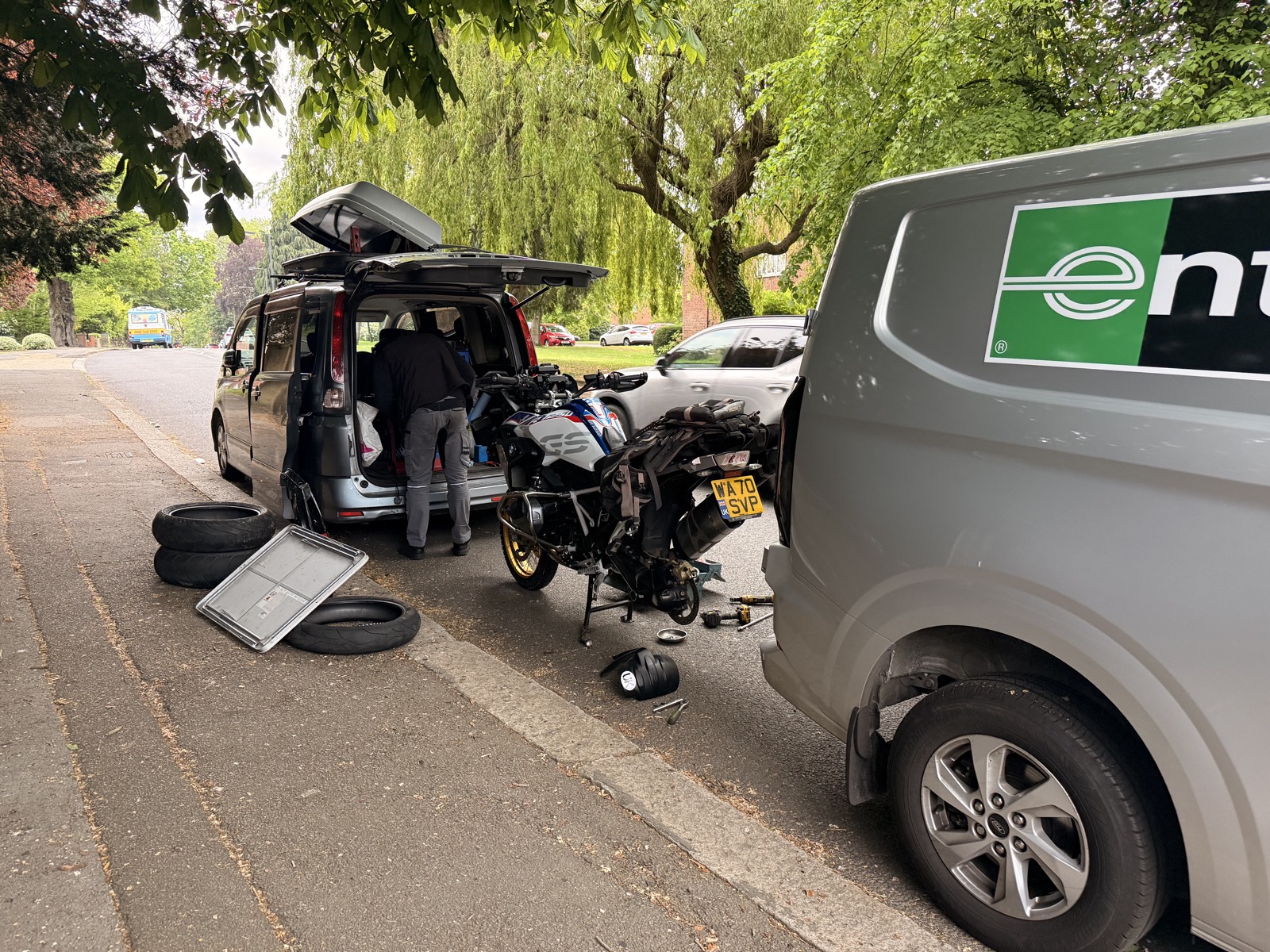
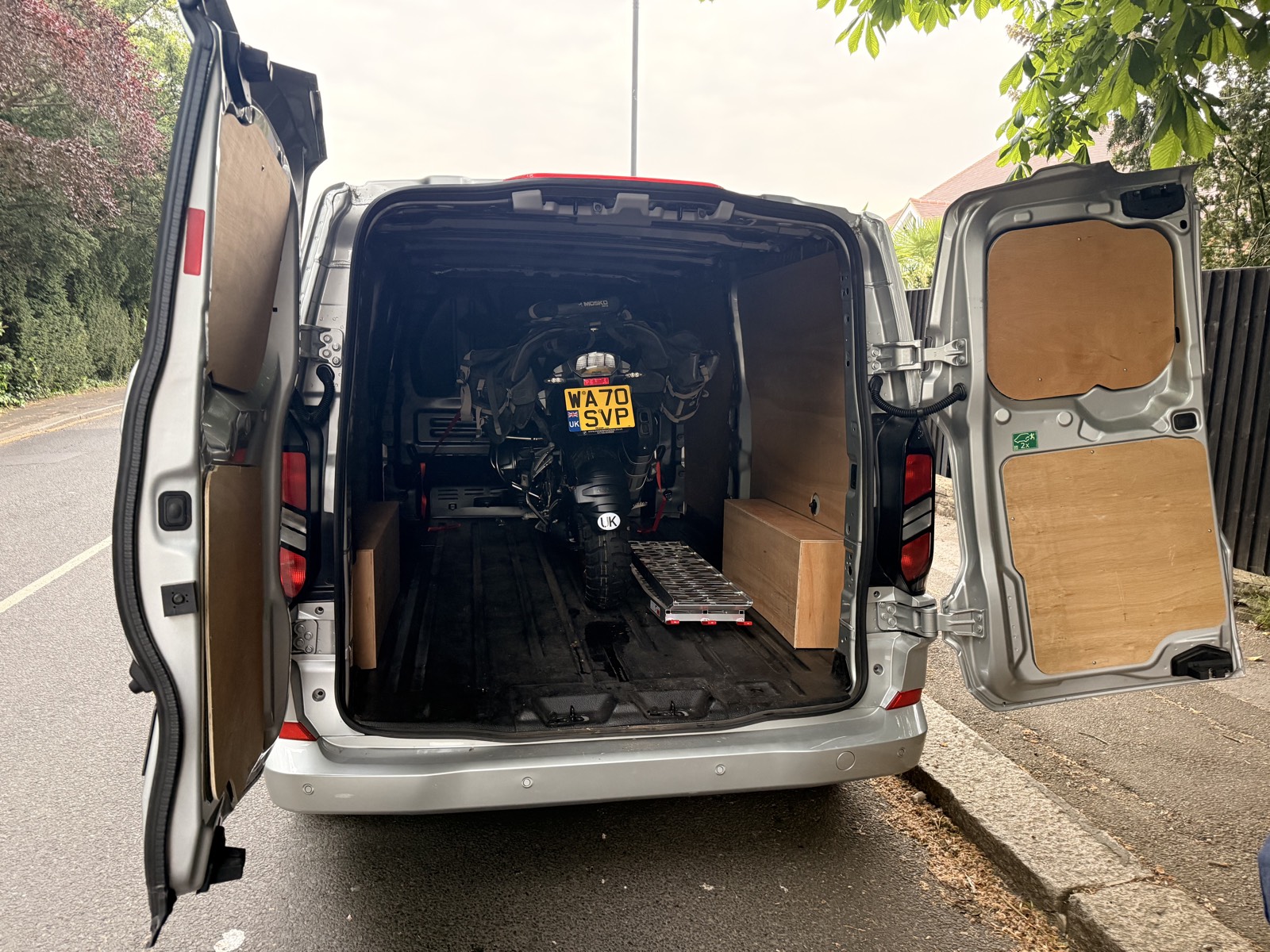
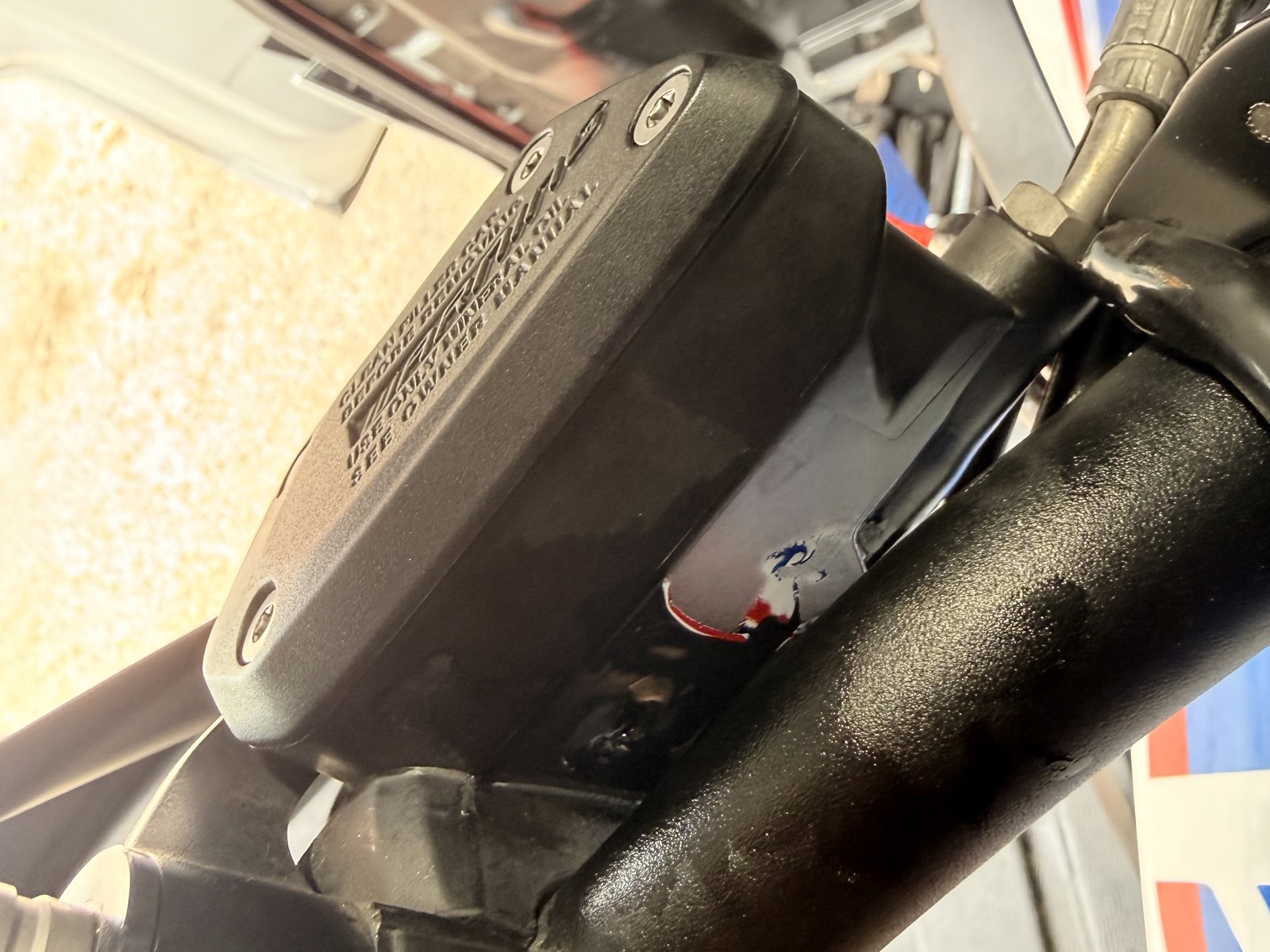
I had a five-hour drive to Plymouth and a ferry the next morning. From the road I started calling BMW dealers enroute. Reading. Bristol. Plymouth. None of them stocked the part. It is not something they typically carry. They could order it. It would take days. The ferry would have left.
I stopped at a Halfords on the way down. I sat in the car park and looked up how to do a temporary repair. I drained the reservoir by tipping it over. I cleaned the outside with brake cleaner. I made a small plug of JB Weld and pressed it into the puncture. I waited a bit for it to cure. I taped over the JB Weld so the seal would hold. I refilled the reservoir with mineral oil, which is what bicycle hydraulic brakes use.
I had a clutch. I did not trust it to last three months.
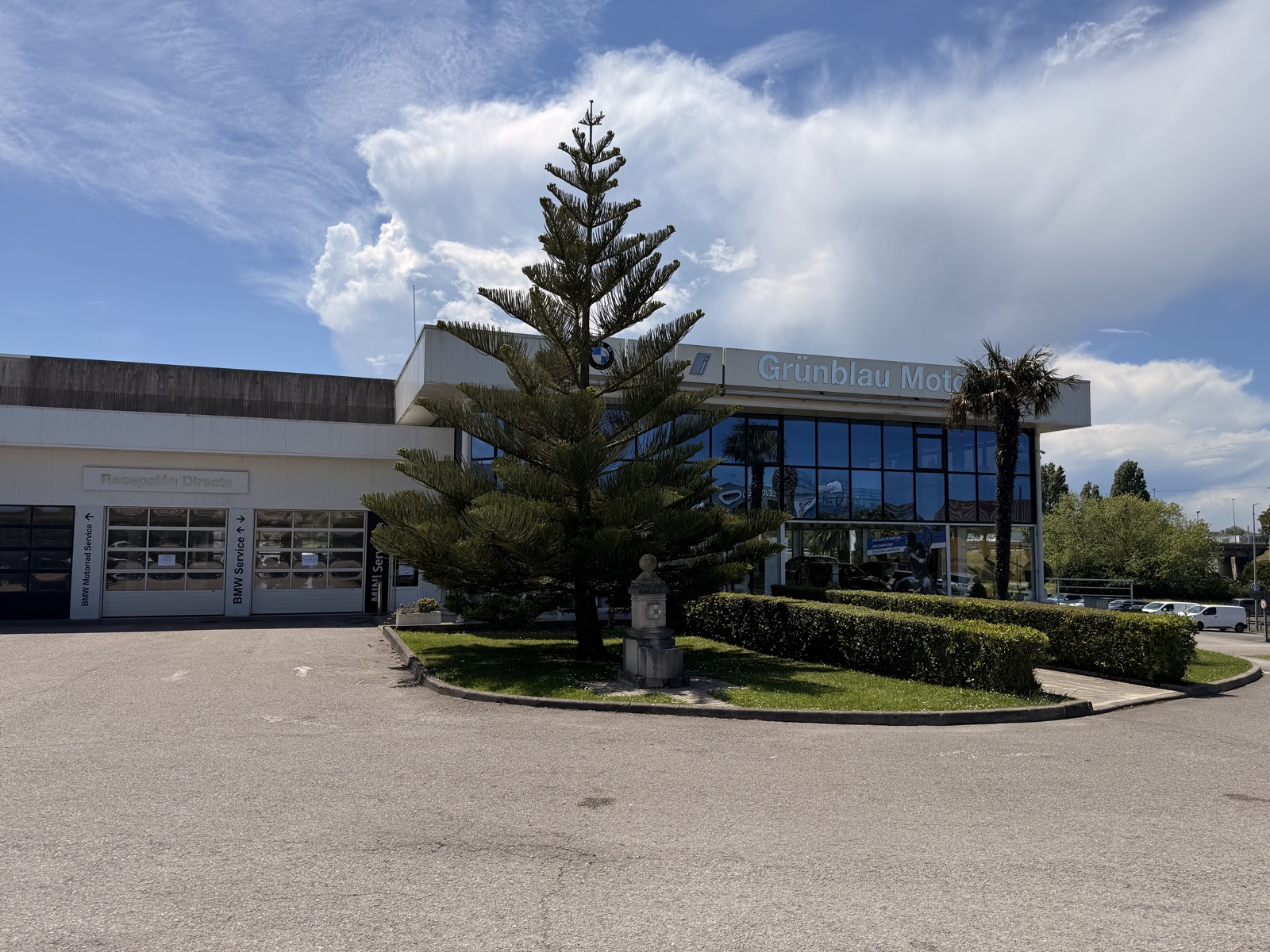
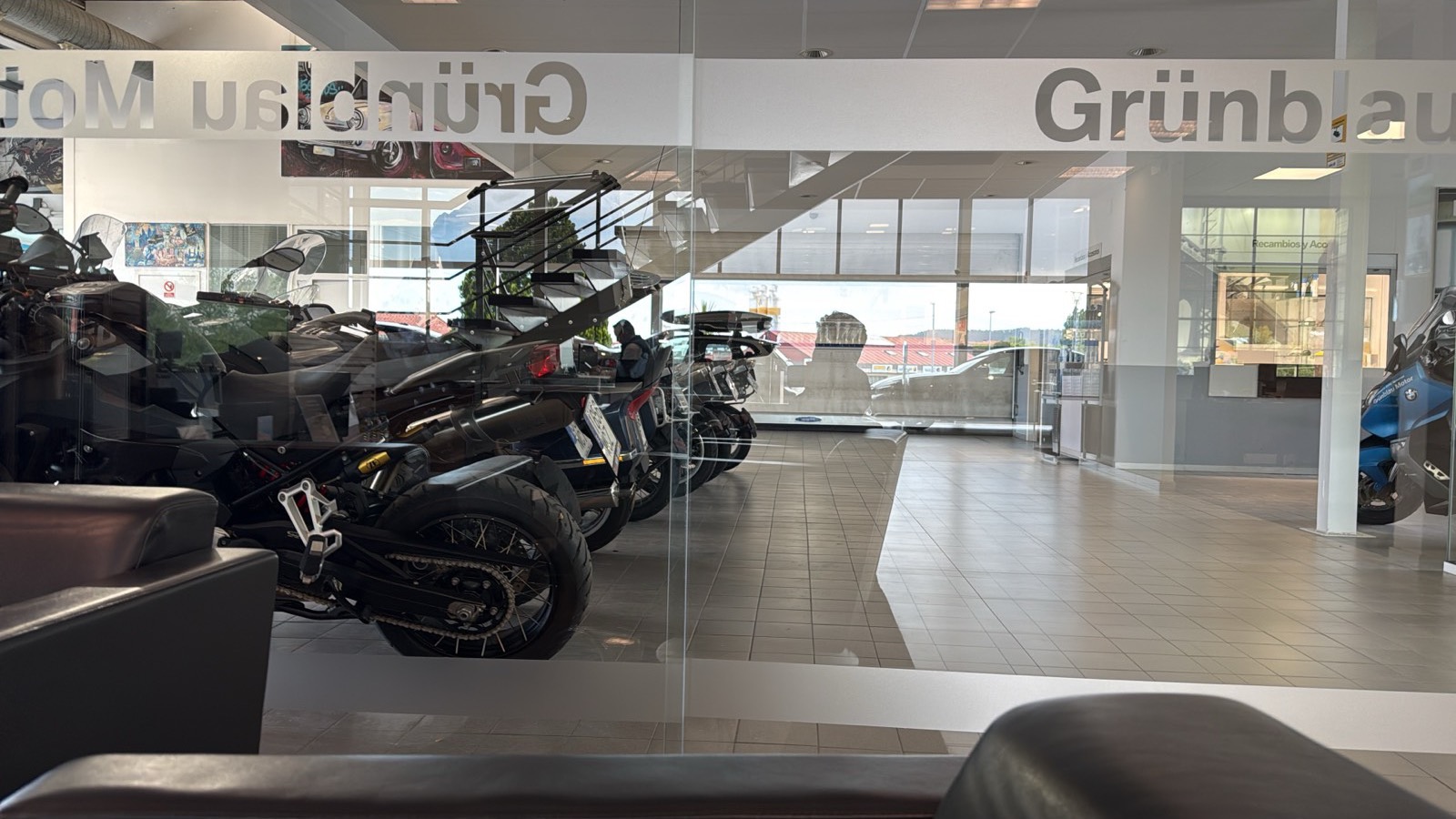
While I was waiting for the JB Weld to cure, I sent an email to the BMW dealer in Santander. The ferry from Plymouth to Santander is twenty-four hours. I explained what had happened. I asked them to help. They replied in an hour. They had ordered the part from Madrid on overnight courier. It would be at their workshop when I arrived. I could ride straight there off the ferry and they would fix it. No deposit. No credit card. Just trust and a desire to help me.
I rode off the ferry, rode to the dealer, they fixed it, and I had a working clutch. The whole thing took less than an hour from when I rode in. I had been so braced for things to keep going wrong that the experience of someone in another country quietly solving my problem felt almost shocking.
Pete, the Picos, and Portugal in the rain
On the drive down to Plymouth I noticed a Yamaha Ténéré on the motorway. You can tell a lot about a rider from the way the bike is kitted. Soft luggage, crash protection, off-road tires, a riding suit built for off-road. This bike was kitted for the kind of riding I was about to do. The only other thing I noticed about the rider was a ponytail under the helmet.
On the ferry that night, going up for dinner, I saw the same ponytail at a table upstairs. I walked over and asked if he was the guy on the Ténéré. That is how I met Pete.
Pete is a wildlife photographer and expedition leader who lives in British Columbia. He was riding through Europe too. He invited me to join him at his first campsite in the Picos de Europa. I said yes. We rode together for two days. The Picos are stunning. Wet, green, dramatic, almost no traffic. Pete is good company on a ride.
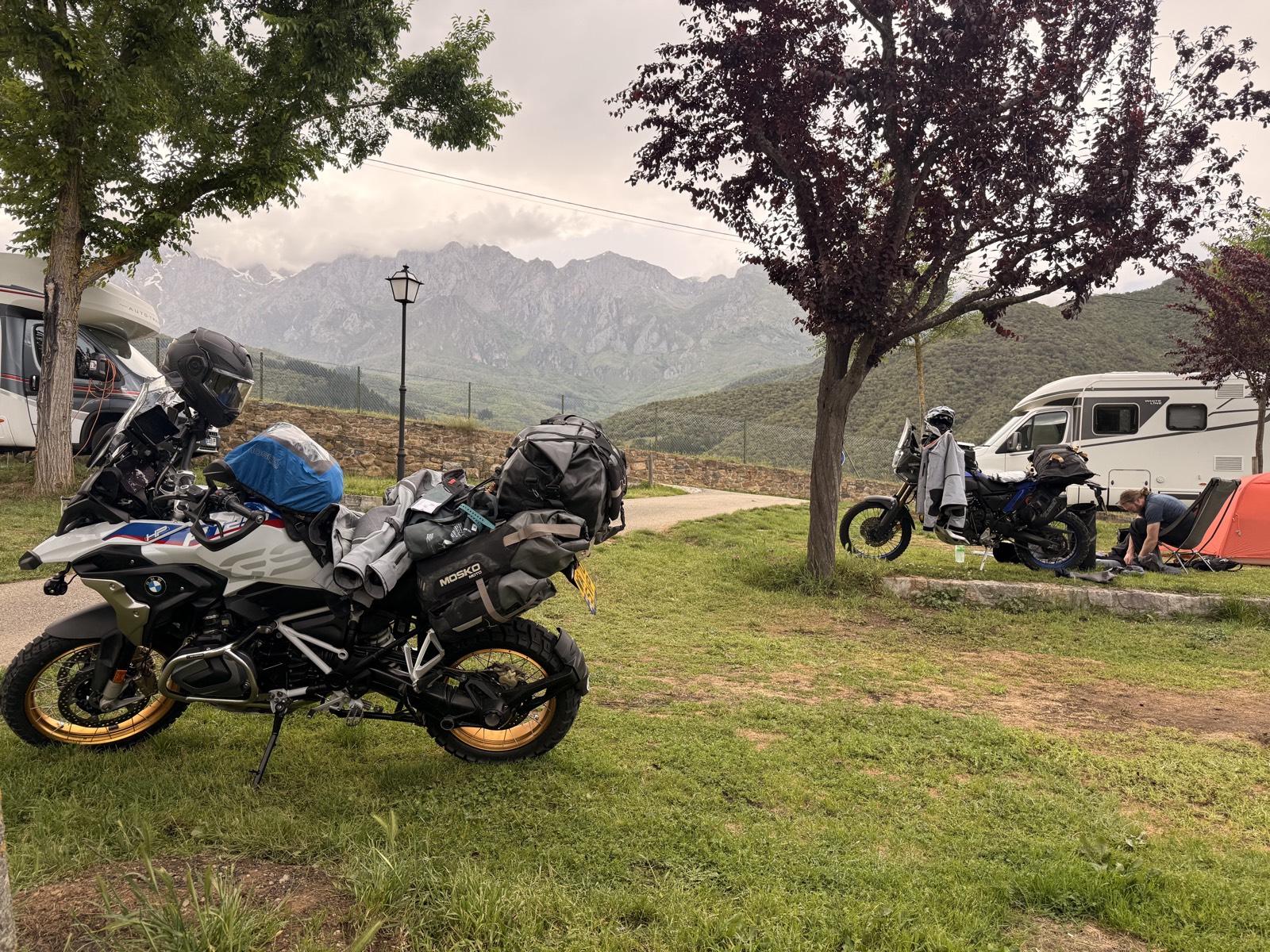
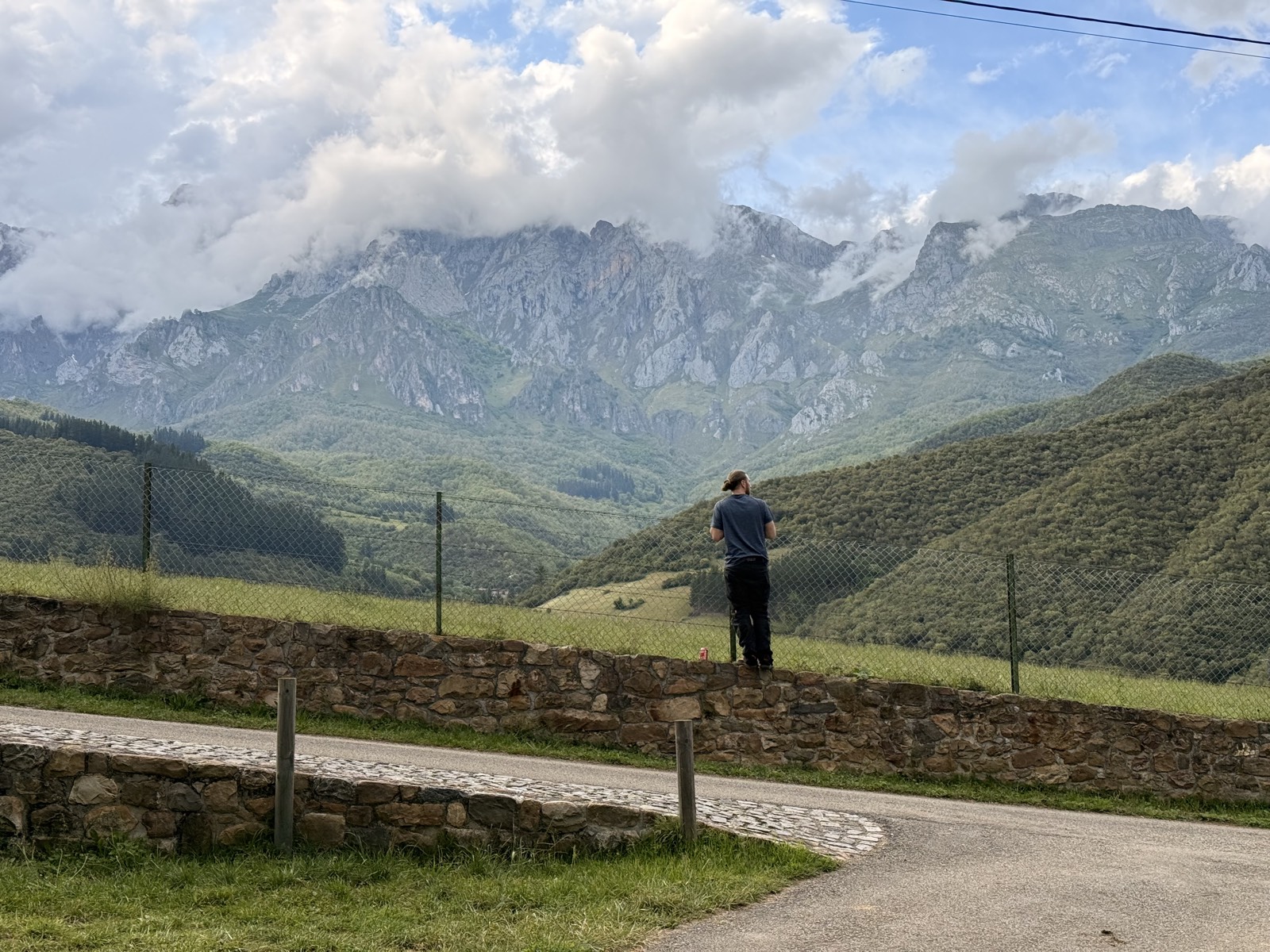
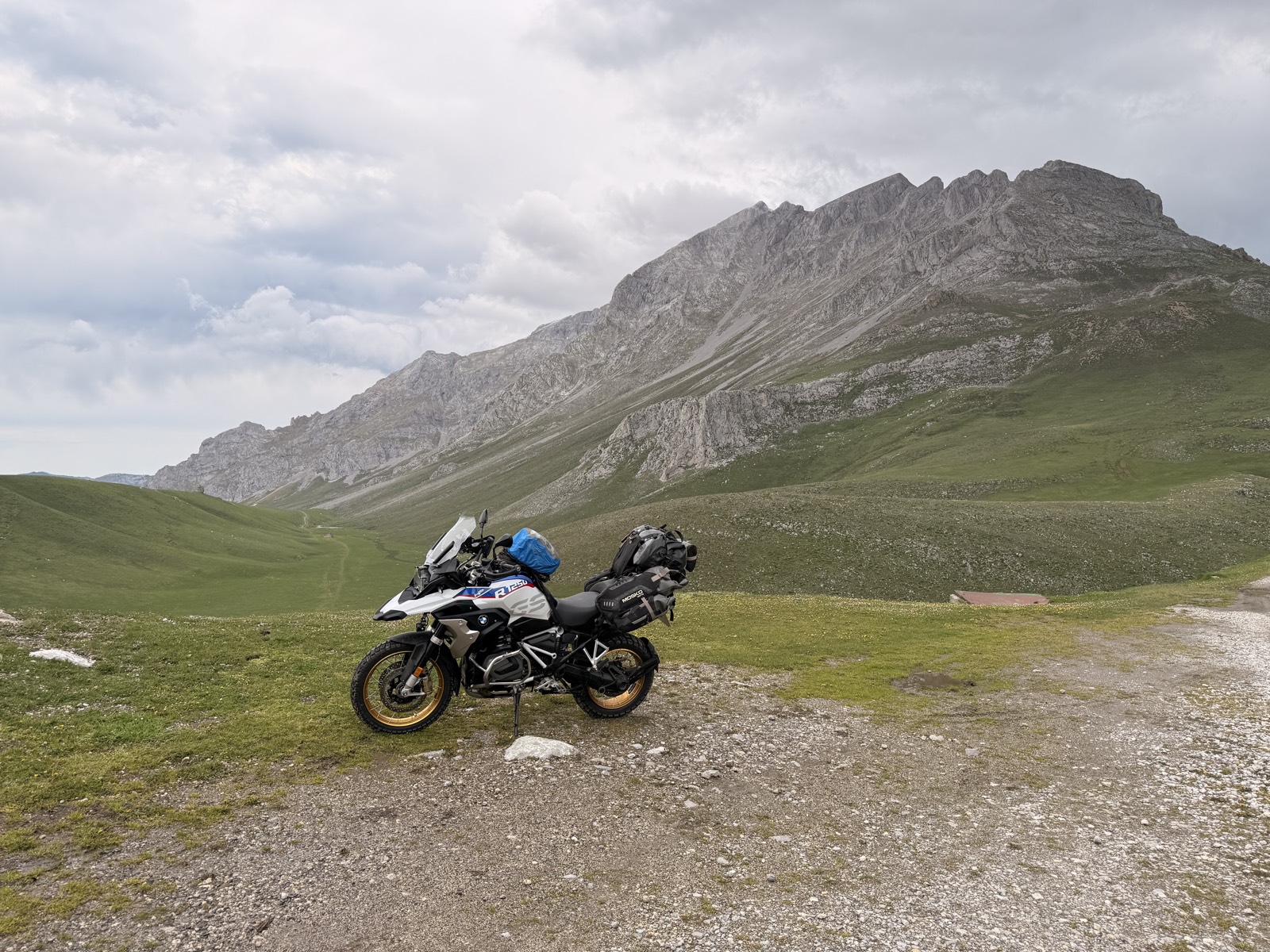
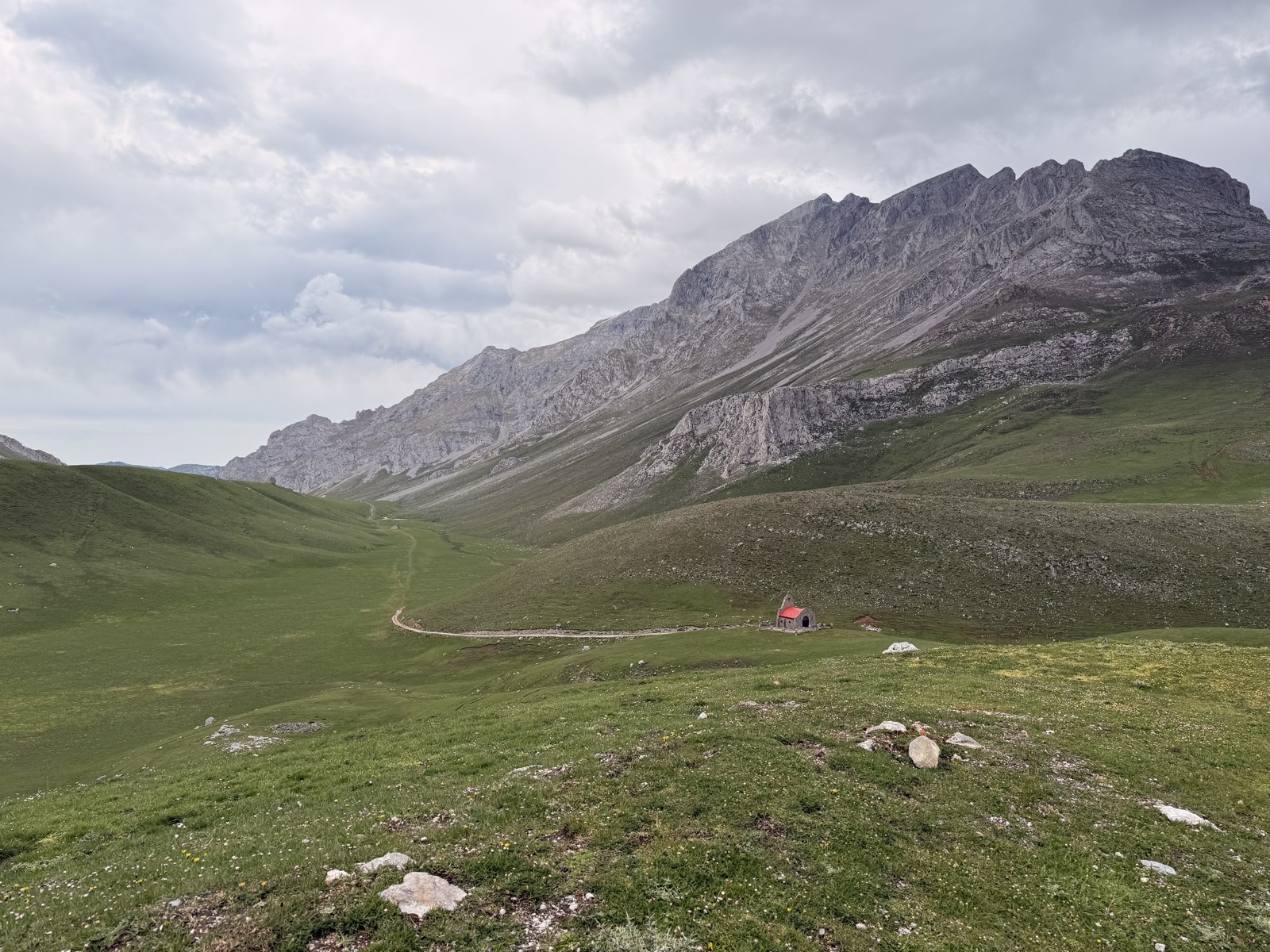
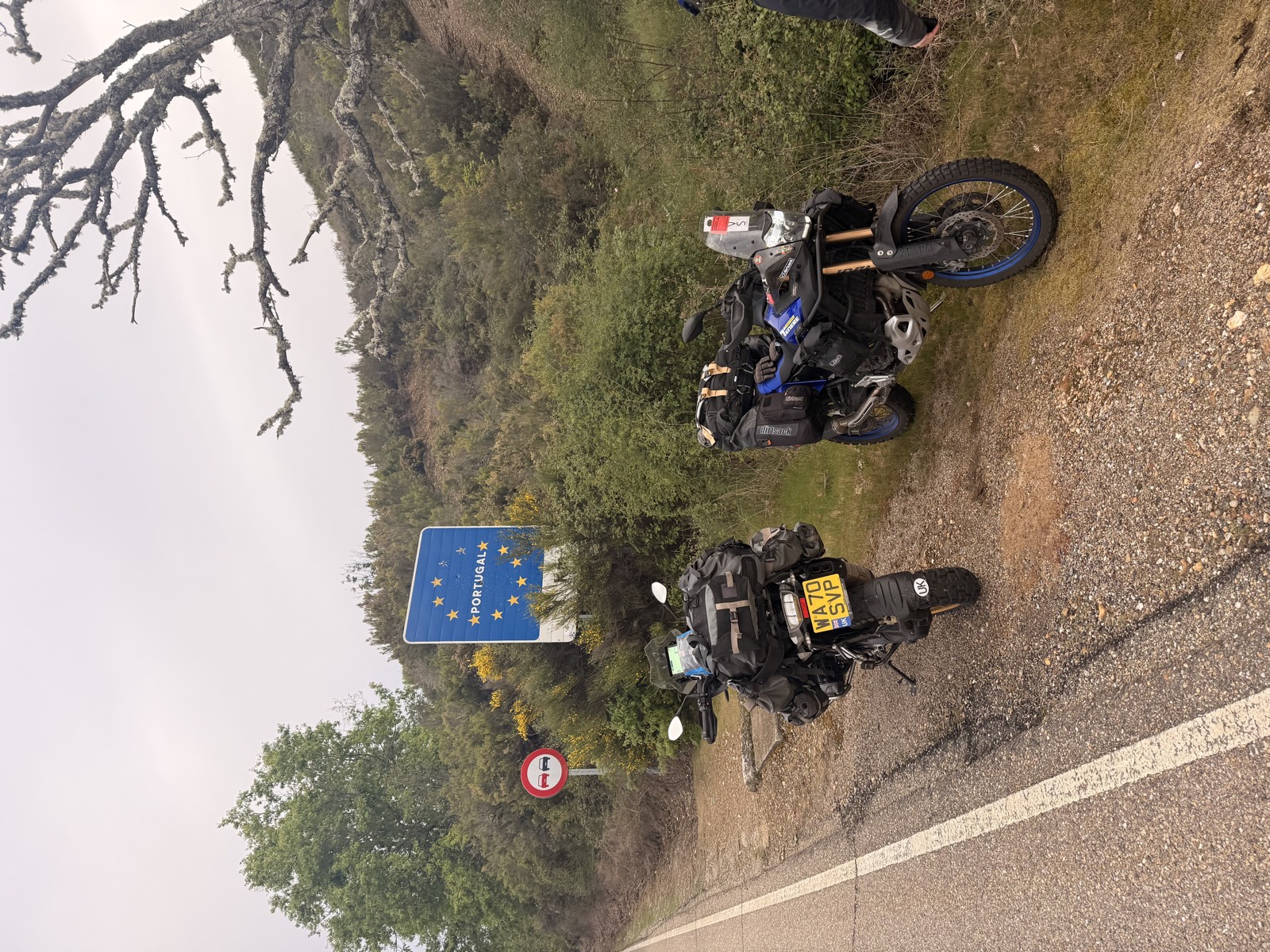
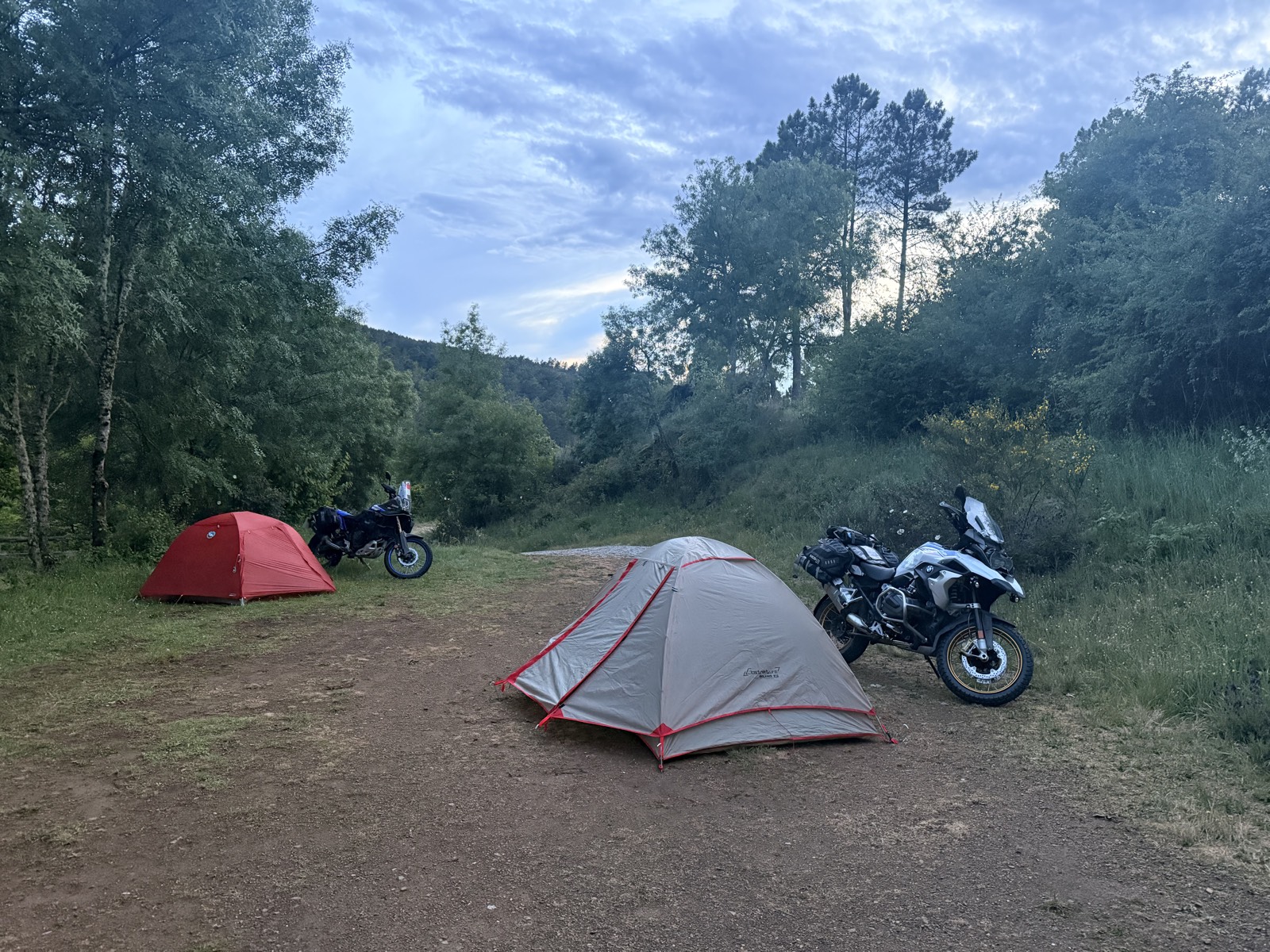
We planned to meet again later on the route. Then his bike was stolen in France. I do not know yet how the rest of his trip will go. I hope I run into him again.
After Pete left, the weather collapsed. Two nights of my tent being drenched in heavy rain. A storm warning. I gave up on camping and booked an Airbnb in a small town outside Bragança, in northern Portugal.
The Airbnb was a mistake. The host was a sweet old lady. The wifi was unusable at 1mbps, which I had not thought to check. There was nothing to do in the town. My Spanish gets me through Portugal at a basic level but Portuguese is its own thing. It rained without stopping. The forecast for the rest of the week showed more rain. I felt suffocated. I started questioning whether I should have made the trip at all.
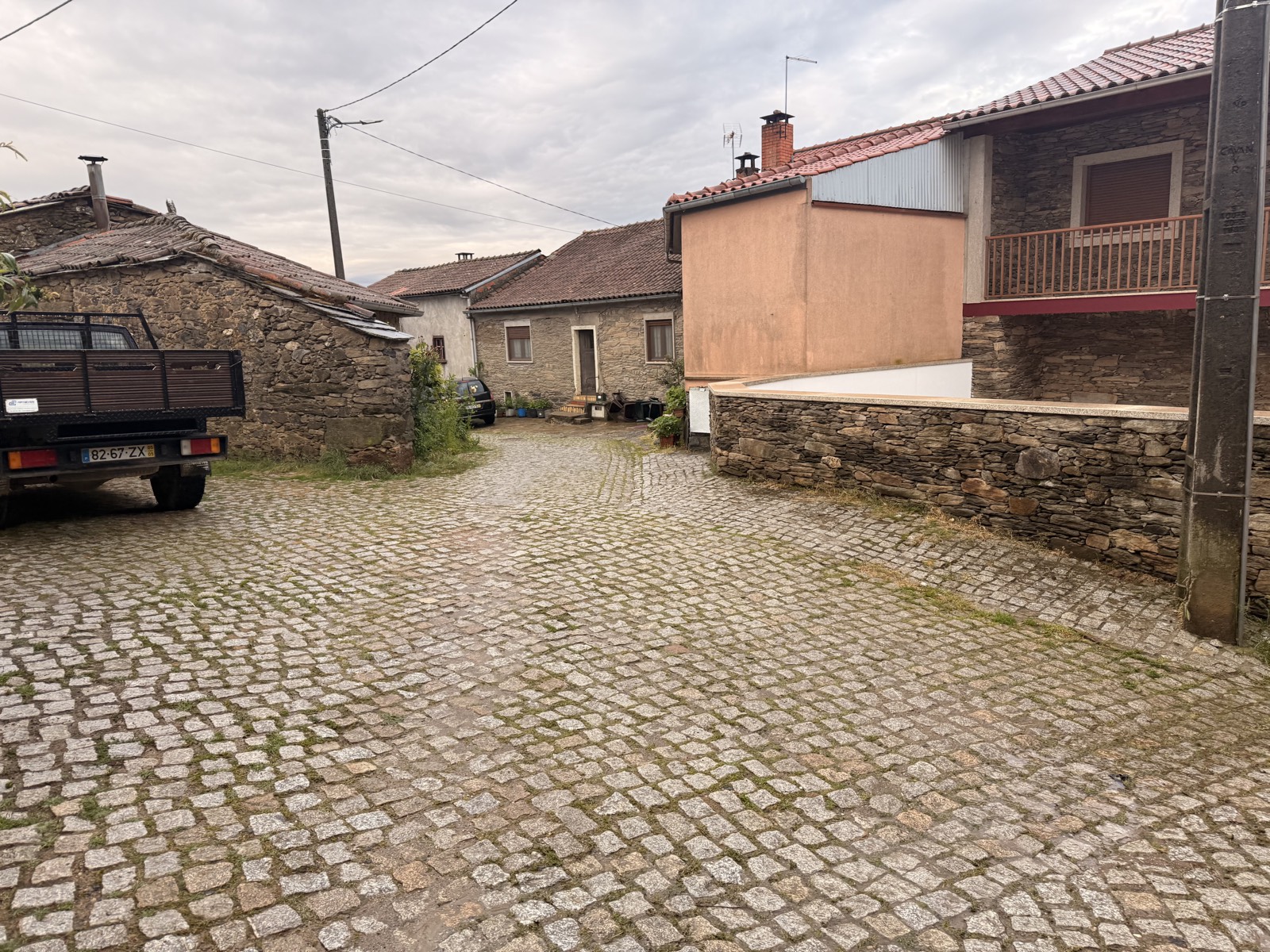
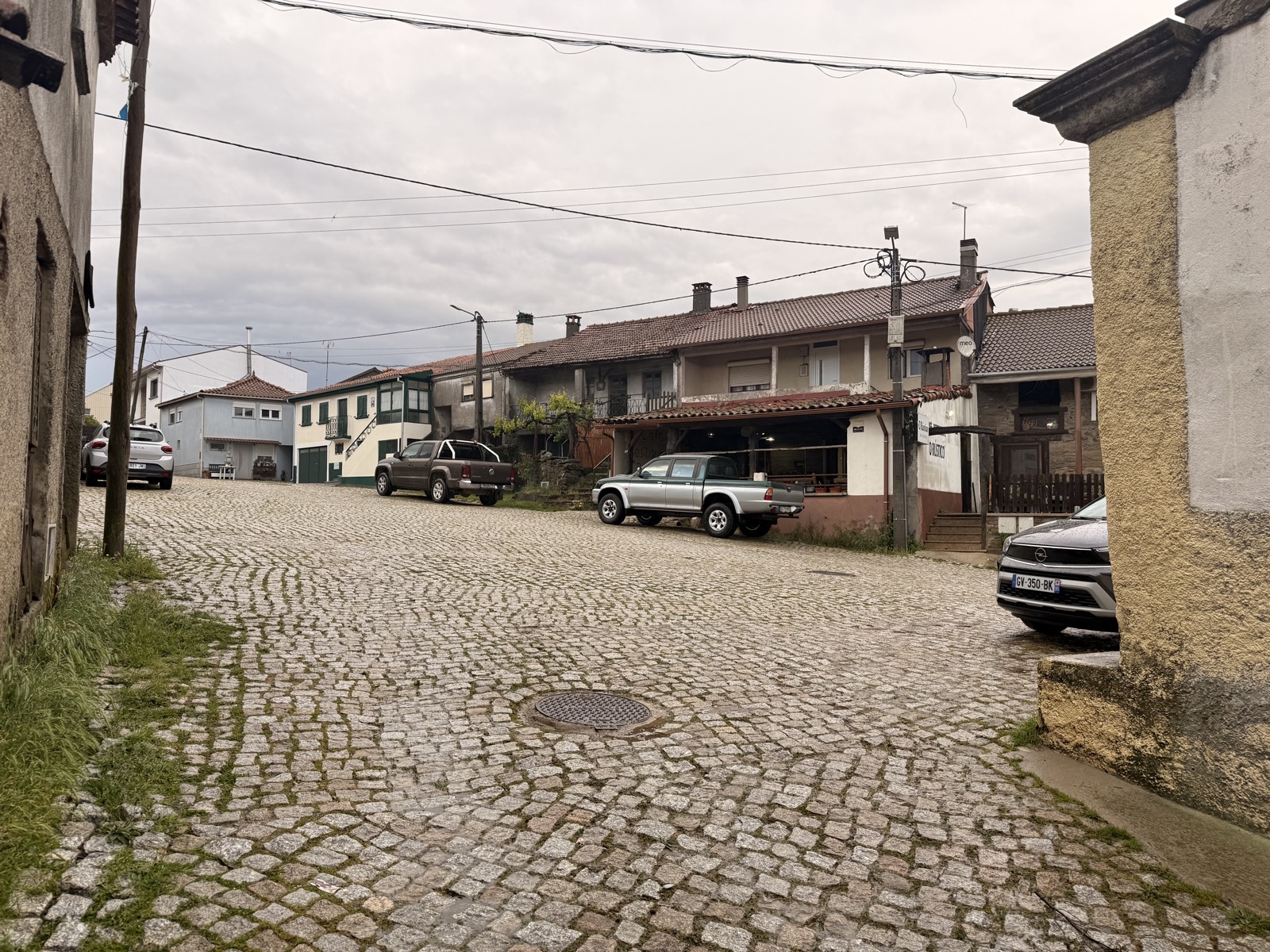
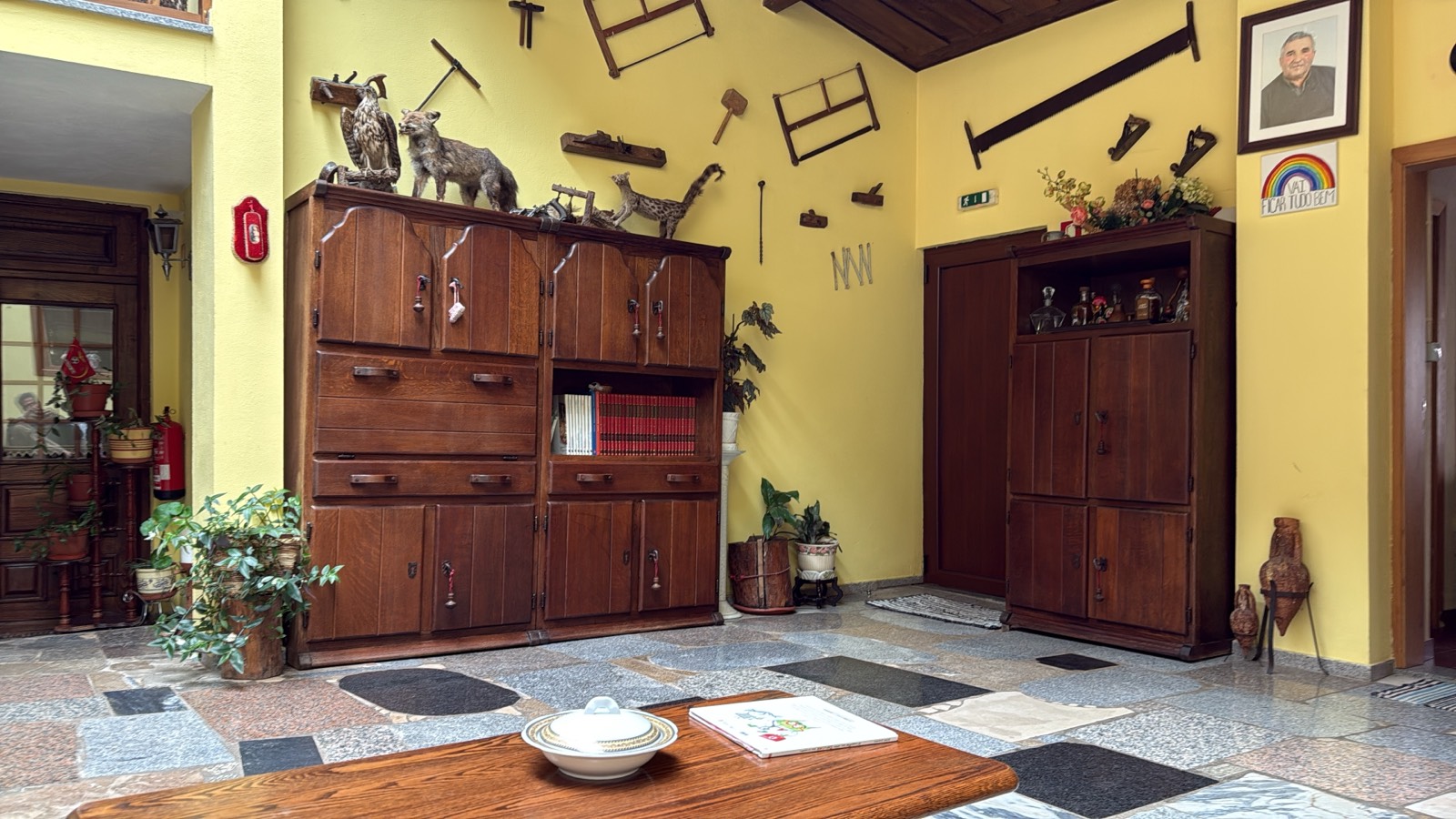
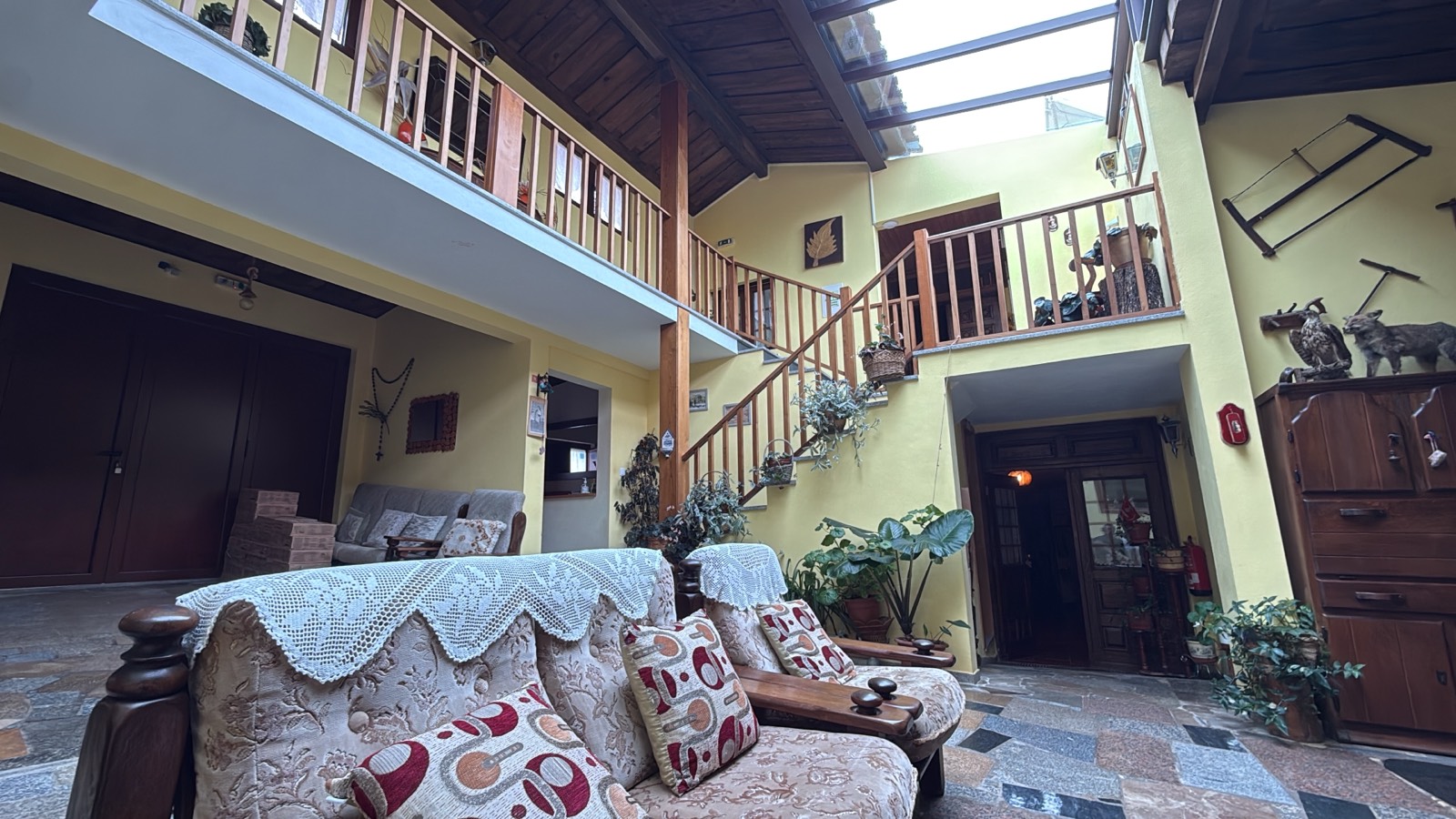
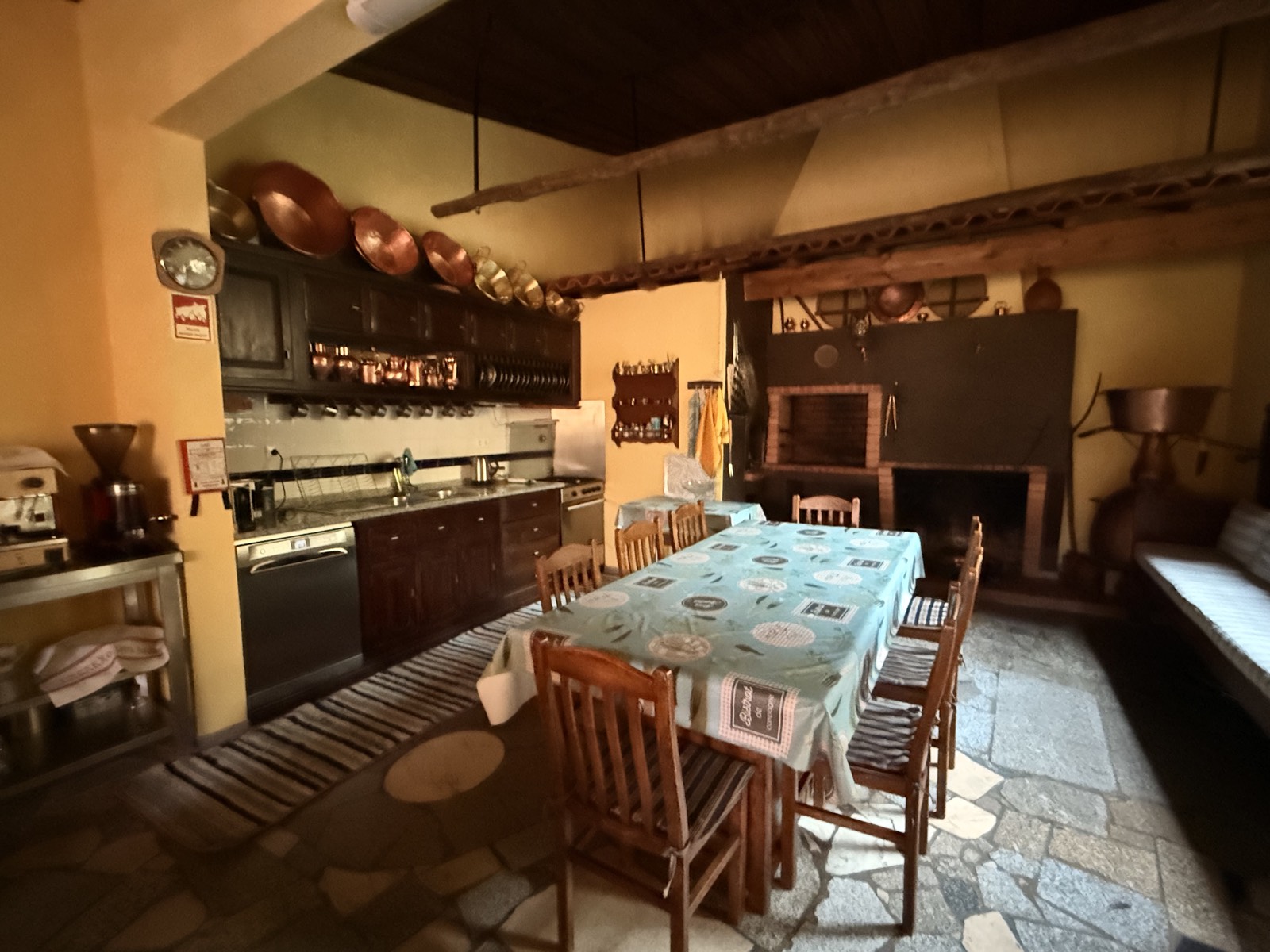
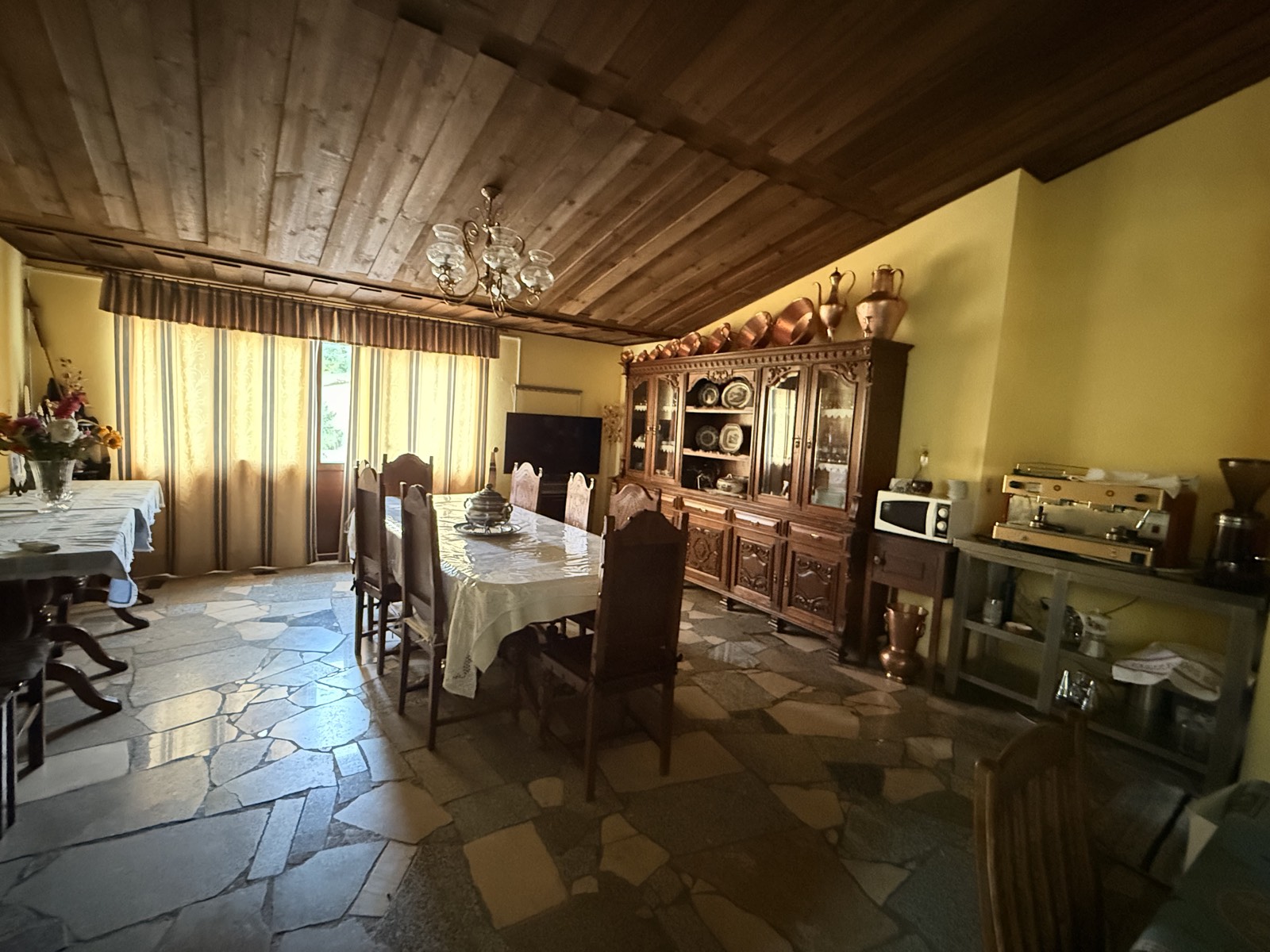
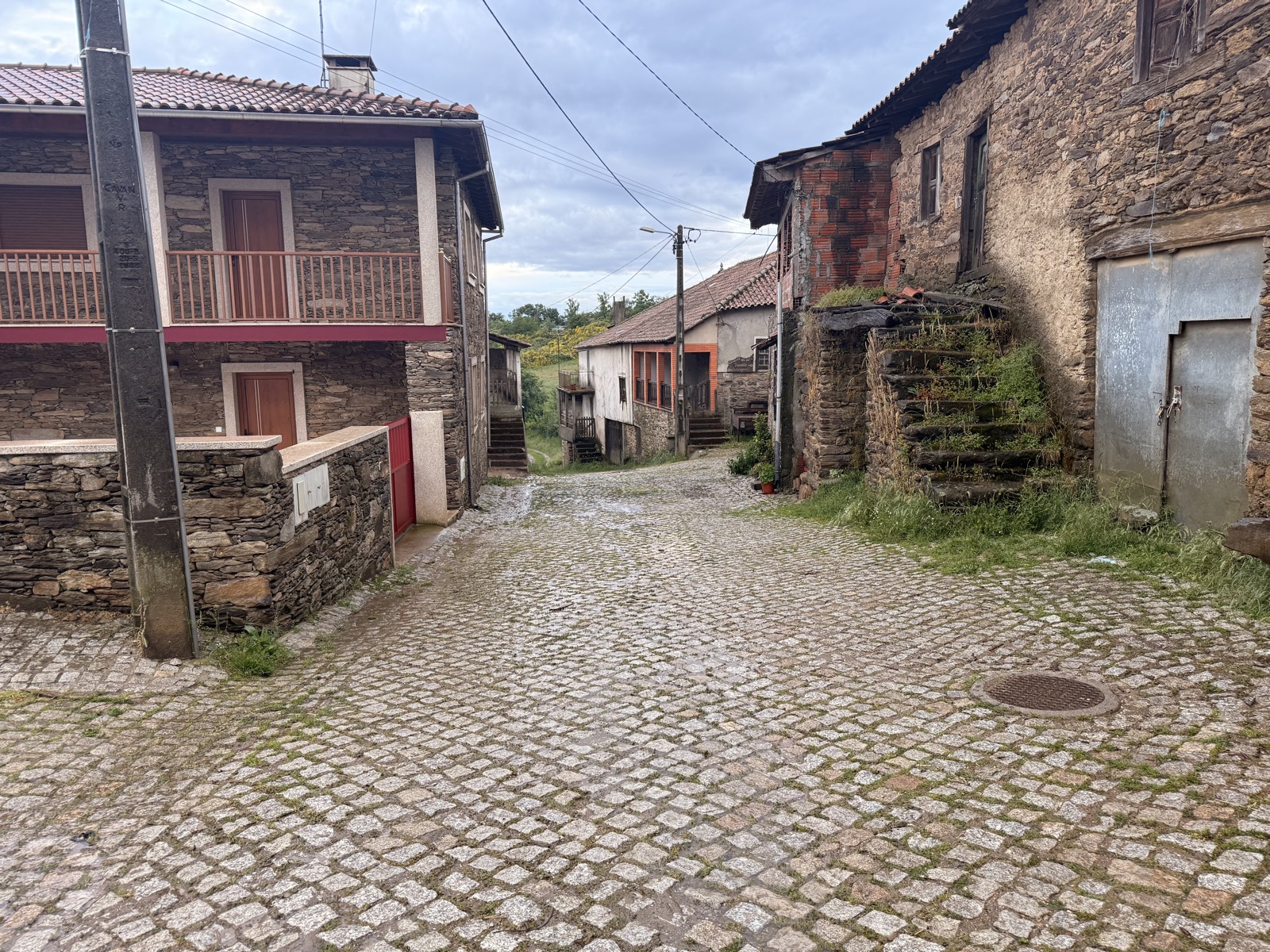
There were several days that first week where I was tired, lonely, doubting myself, packing and unpacking, sleeping somewhere new every night, in a language I did not speak, far from people I loved. The friends checking in on me by message made a real difference. So did knowing that Jessy was going to come out and hang out with me in Sardinia later in the trip.
On the morning the rain let up slightly, I packed and left a day early. I thanked the old lady. I rode south.
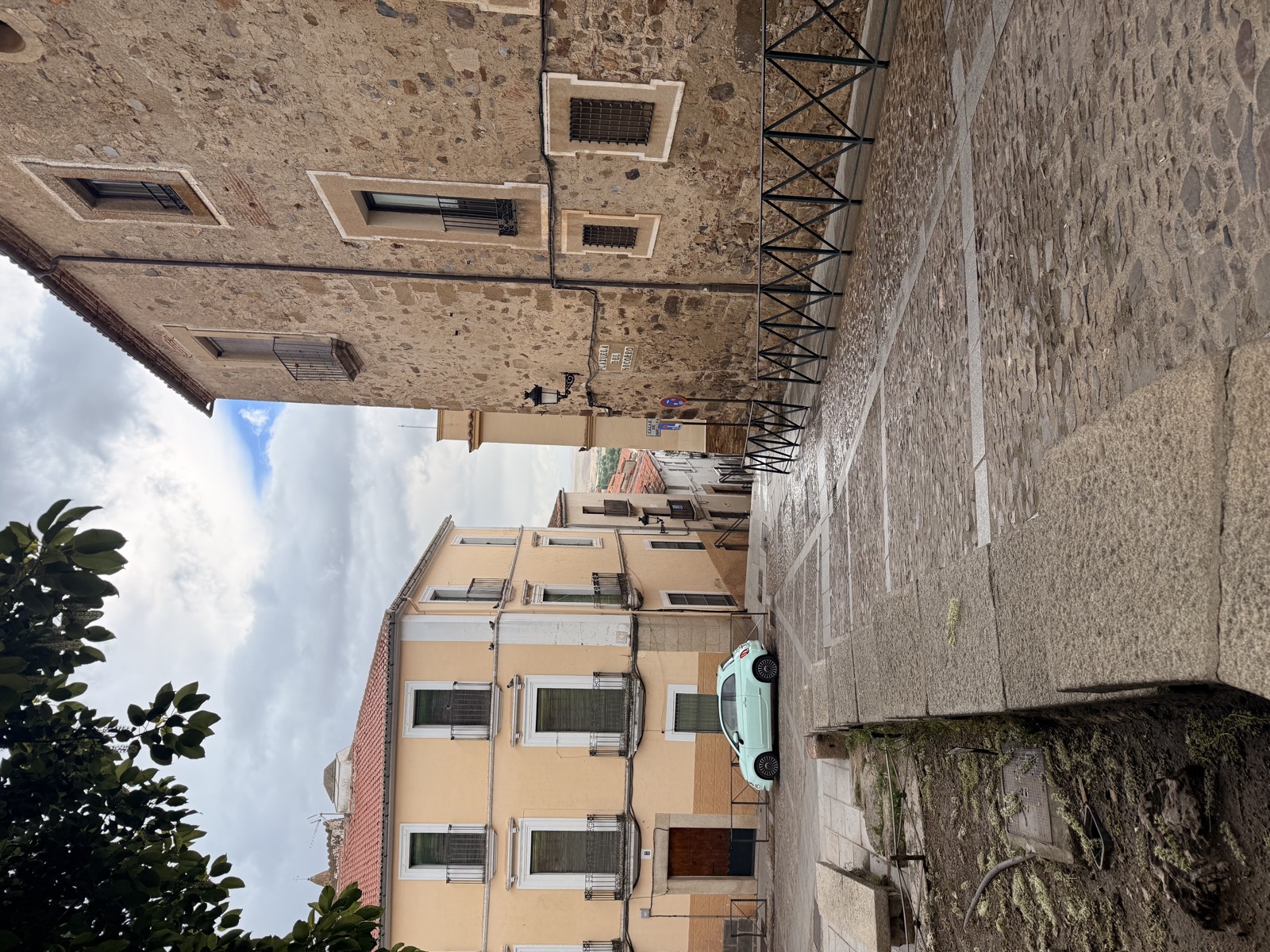
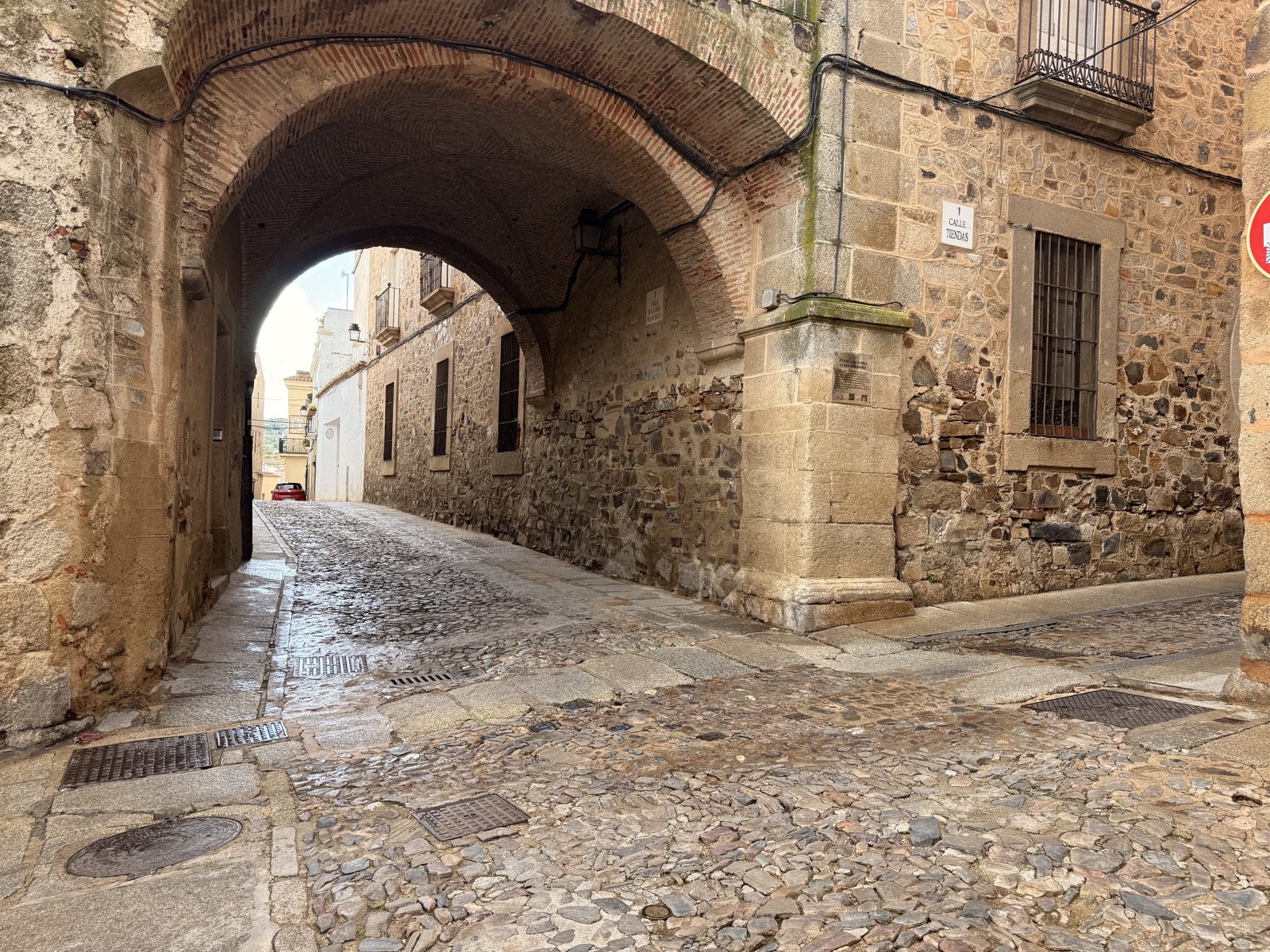
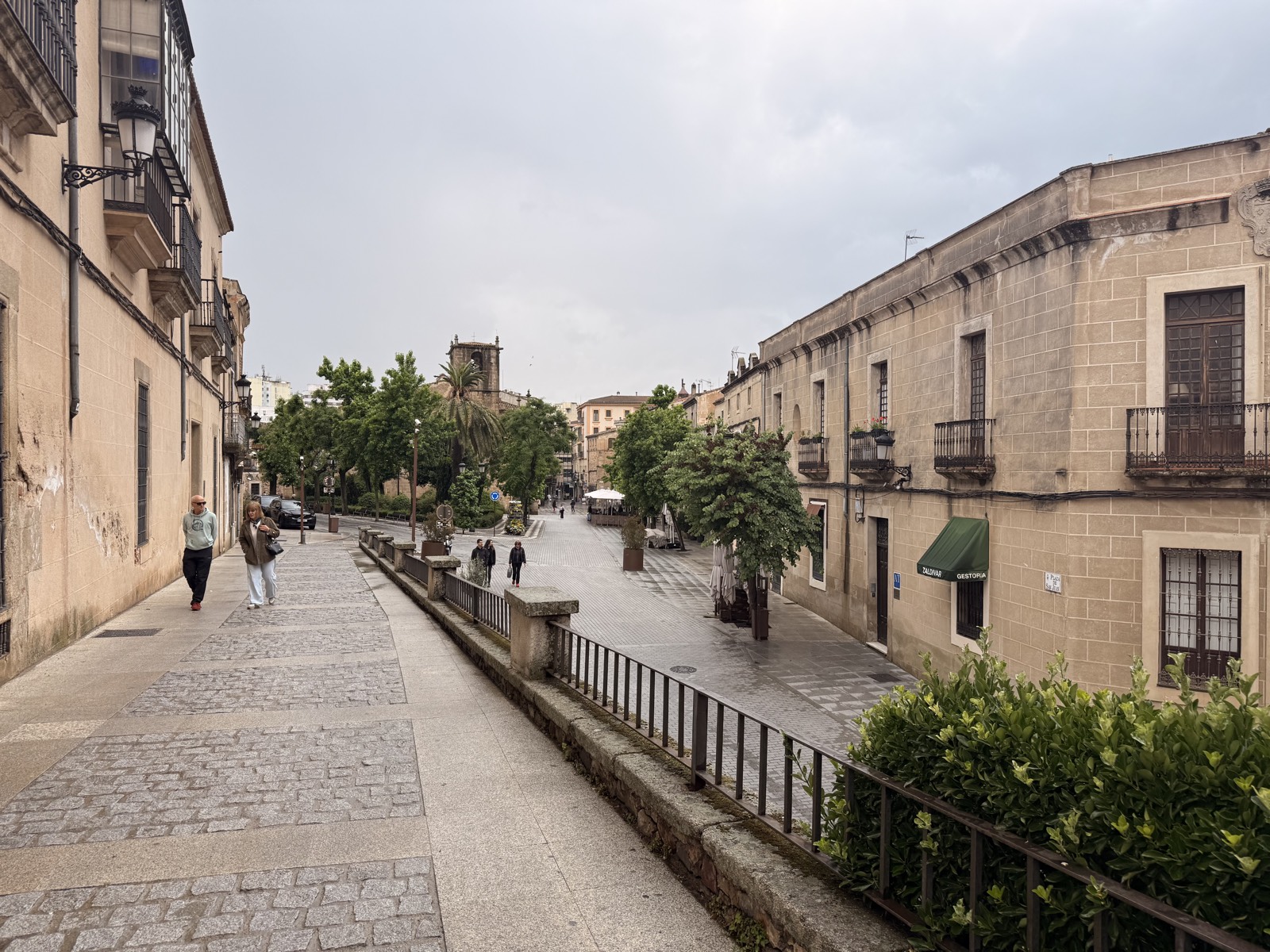
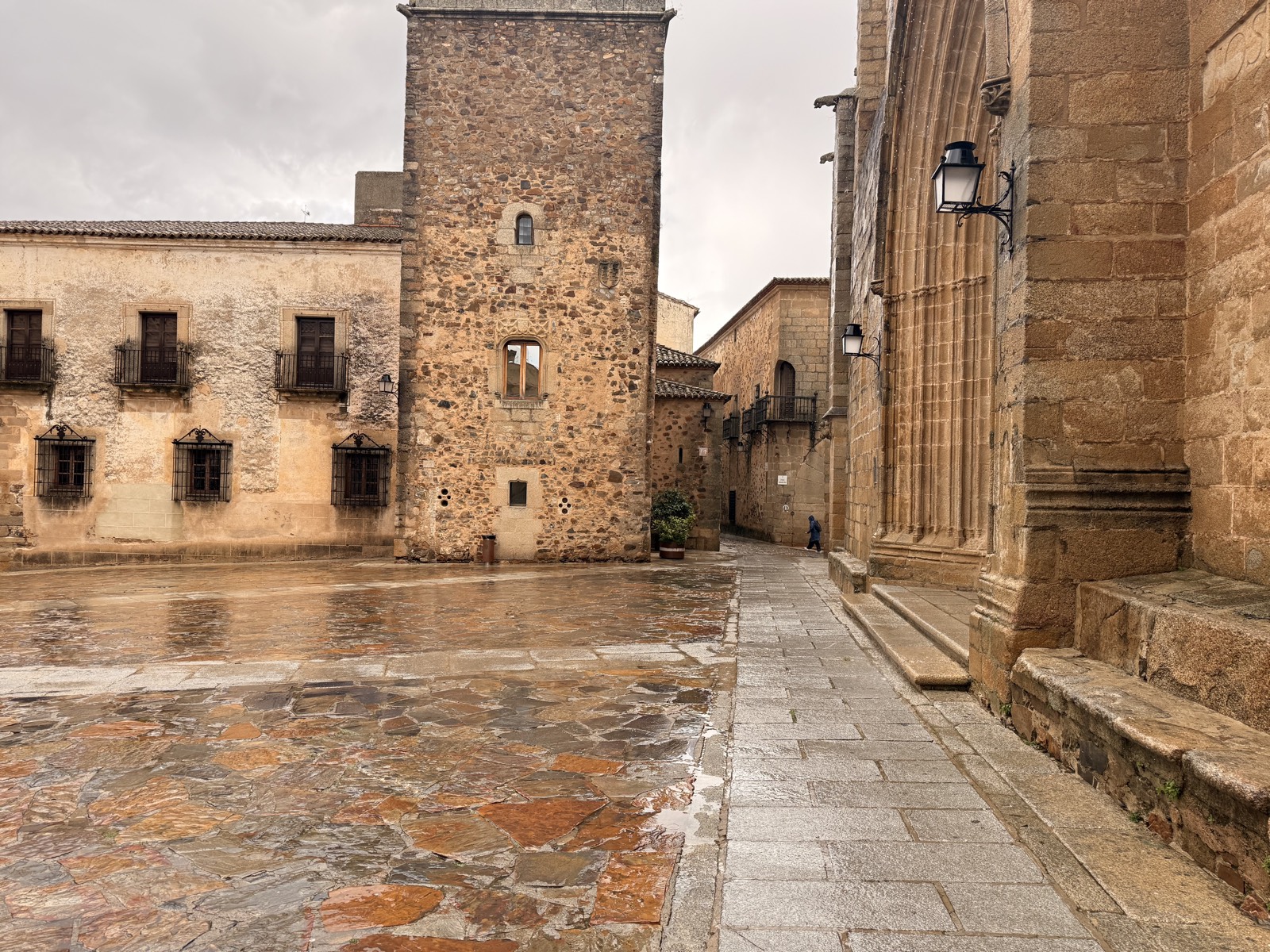
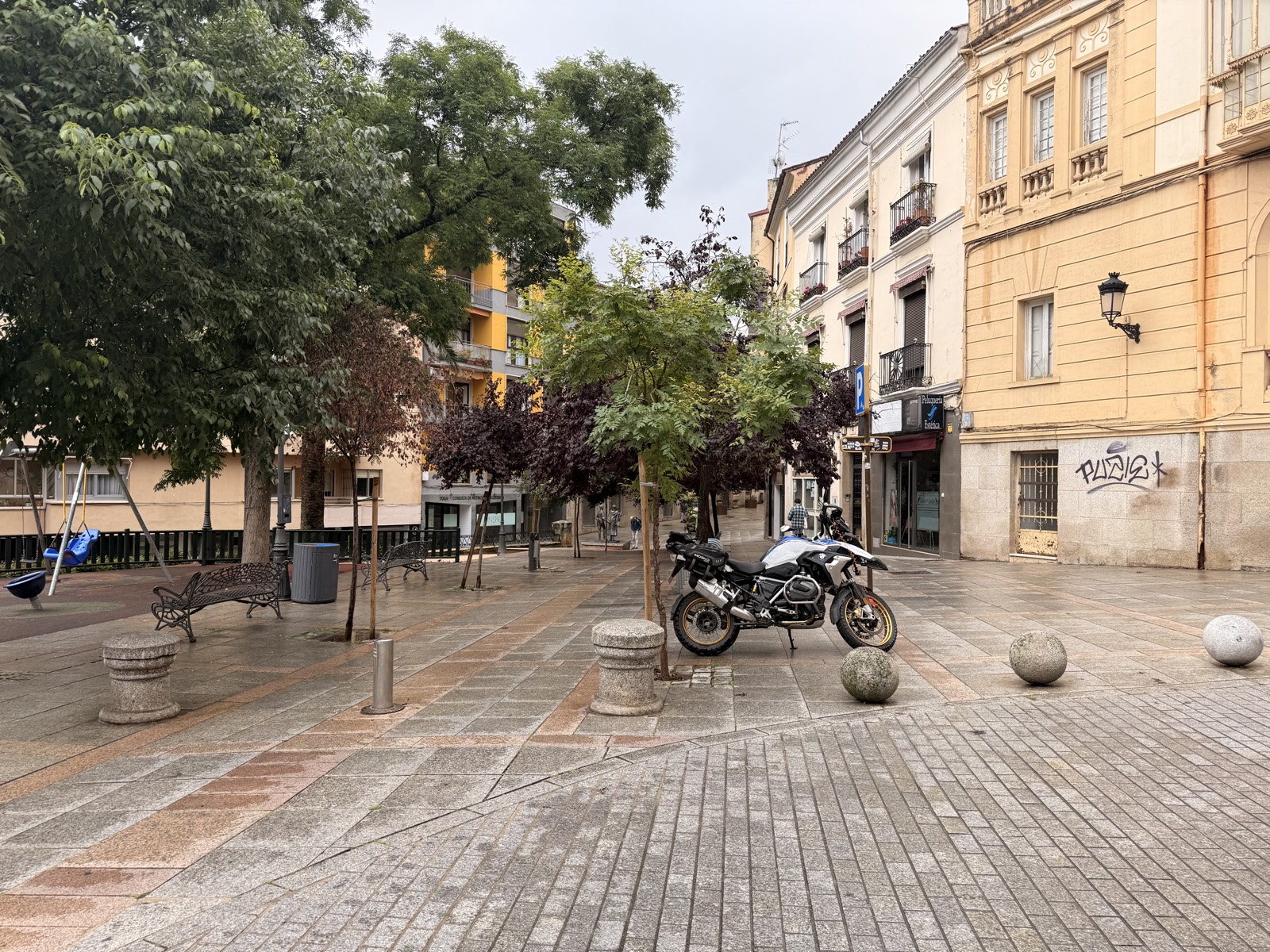
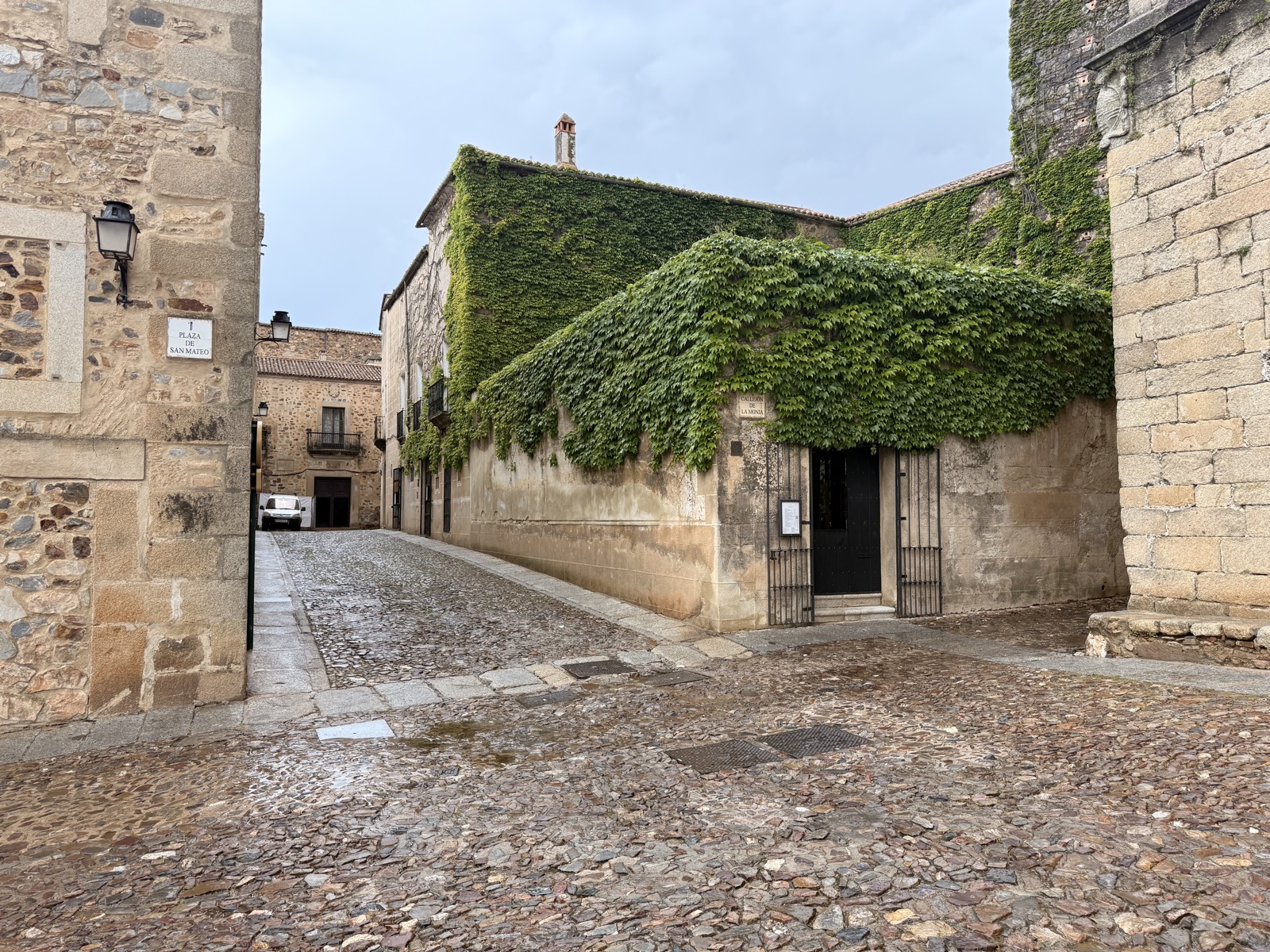
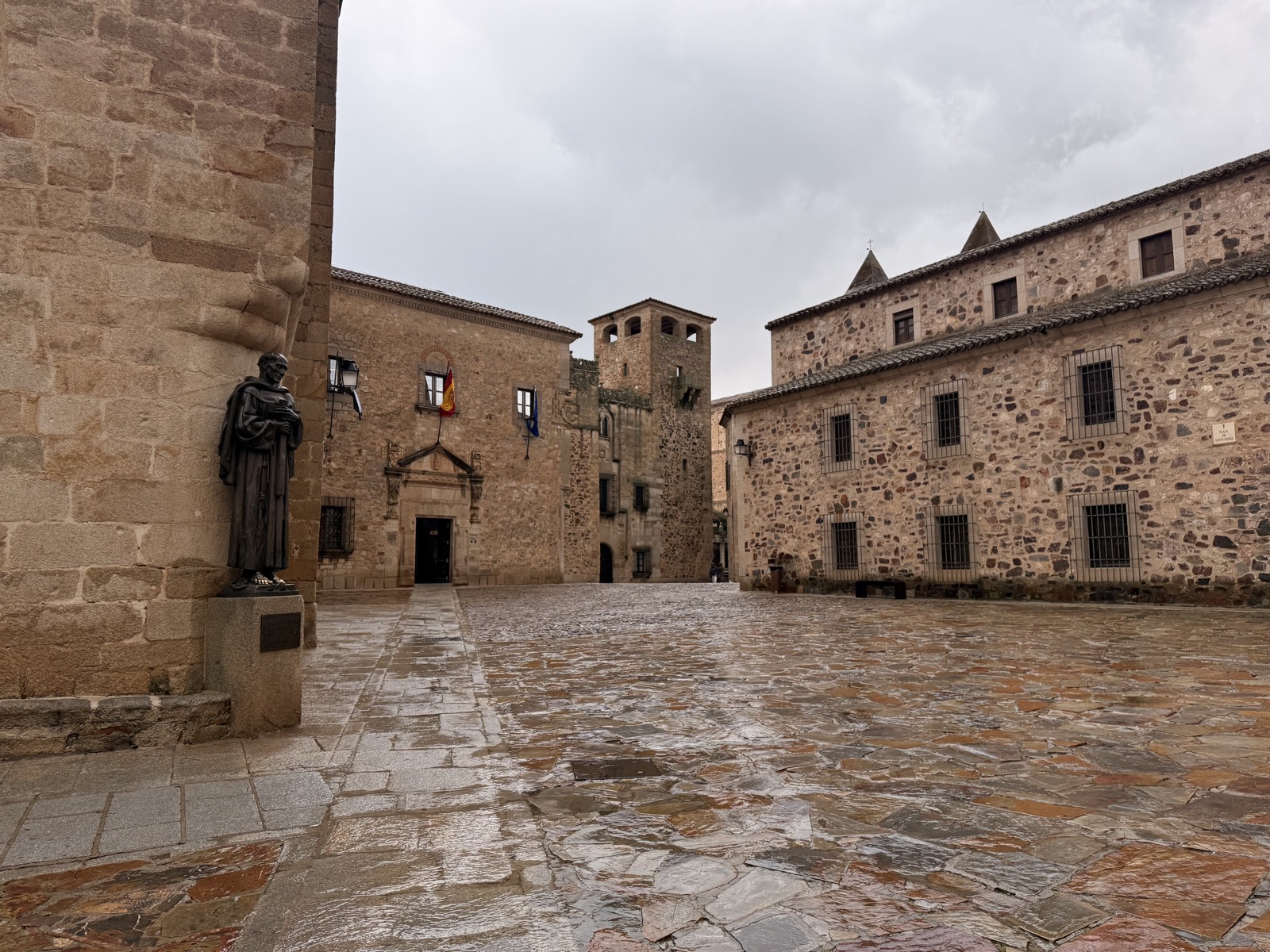
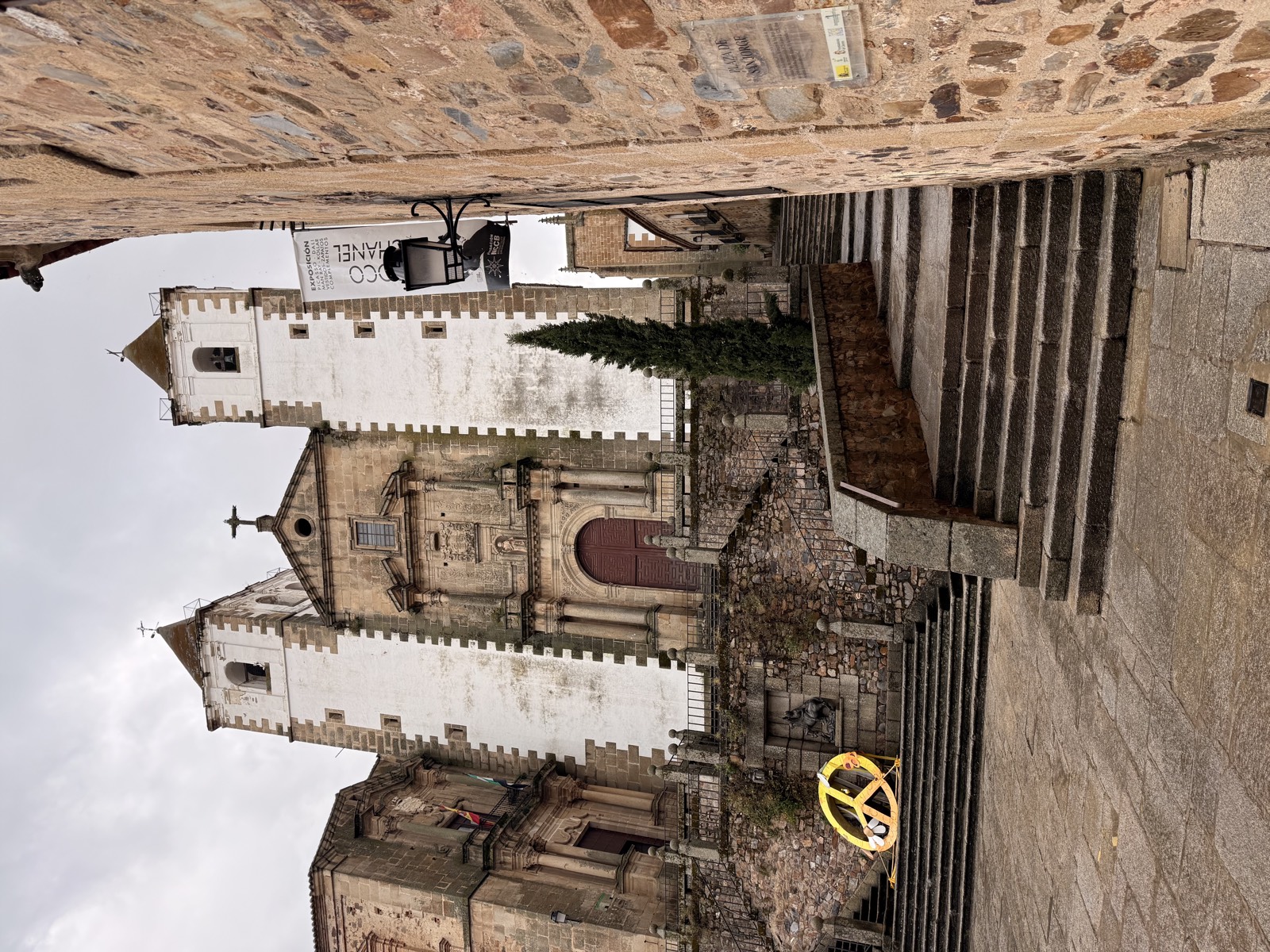
I stopped in Cáceres to wait out more rain. The old town is a UNESCO site — medieval stone plazas, empty in the drizzle. I walked for hours. By the second day I had made up my mind. I was skipping the rest of Spain and heading straight for Morocco.
Morocco
The original plan was five days in Morocco. I spent nearly ten.
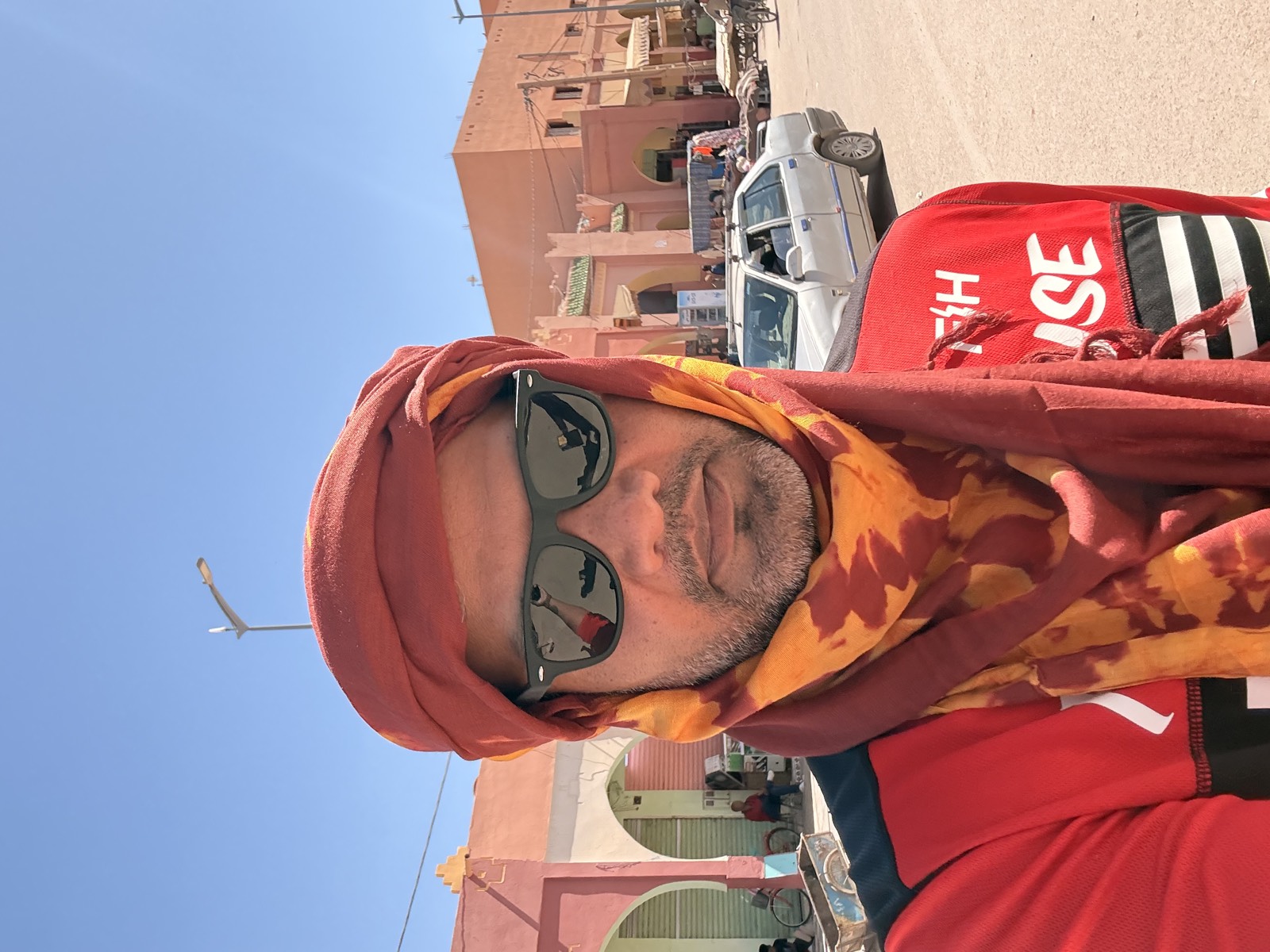
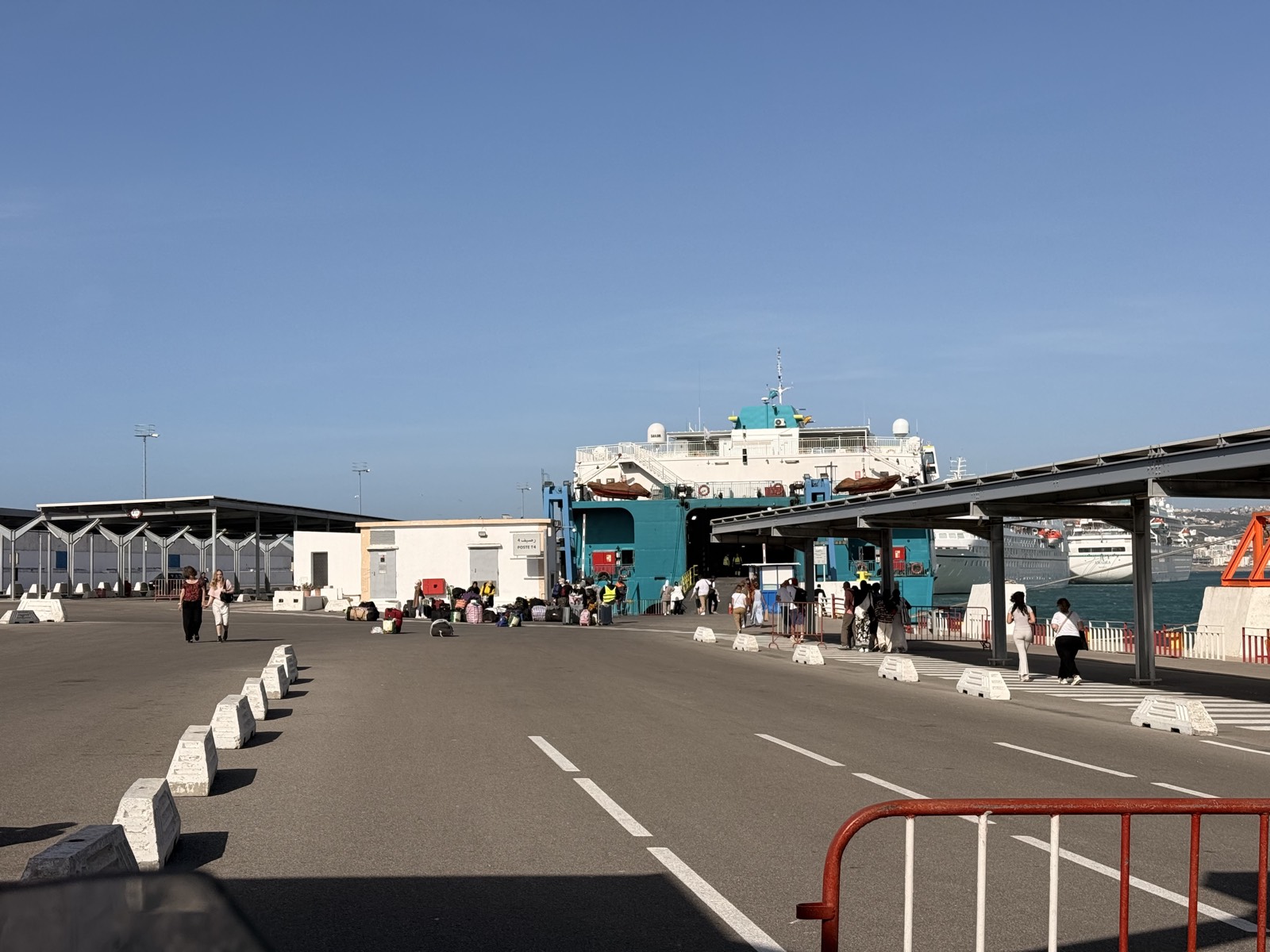
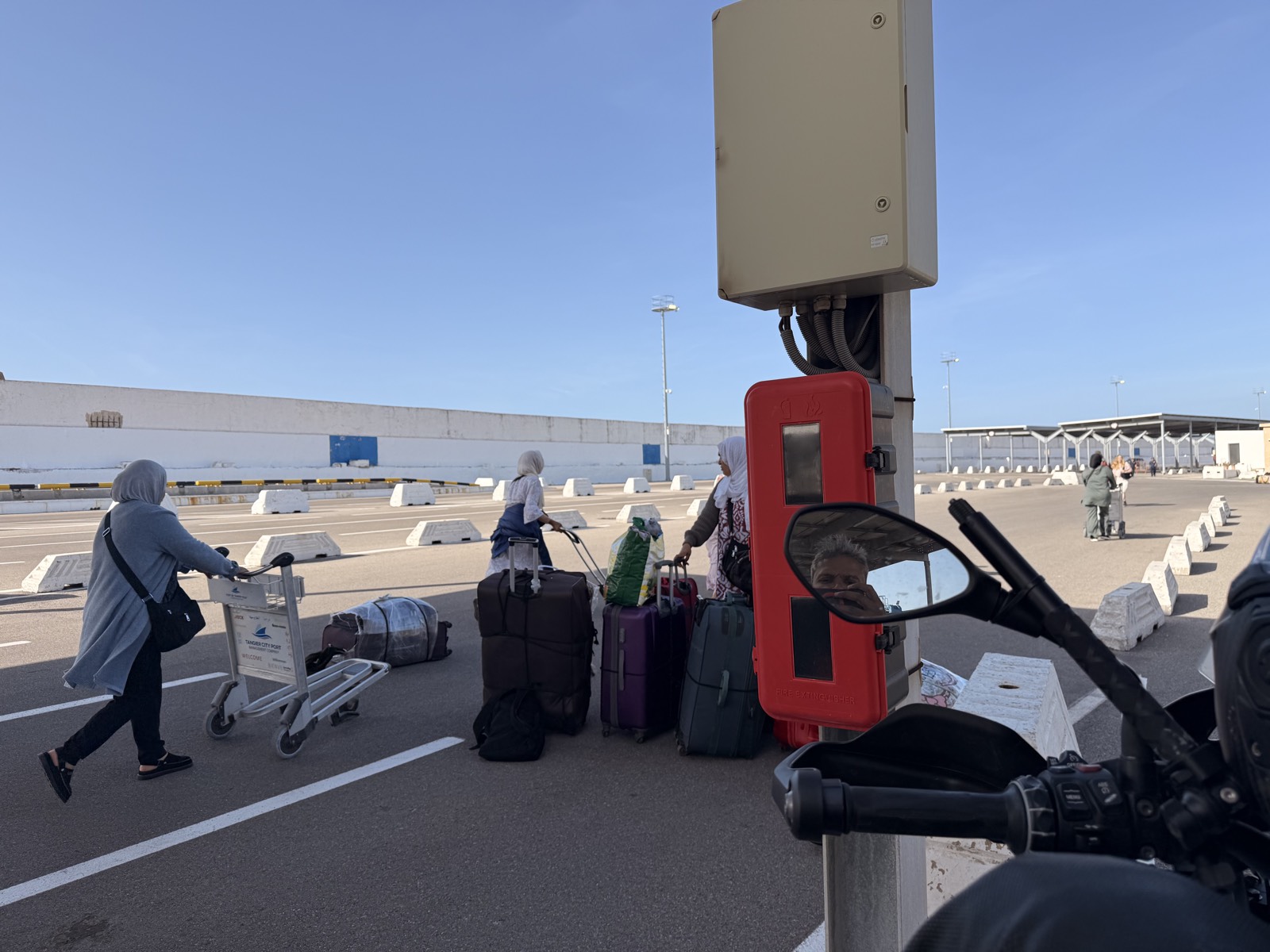
I crossed from Tarifa to Tangier on the ferry. First night in Tangier. Then on to Fez, where I stayed in a riad and got my laundry done.
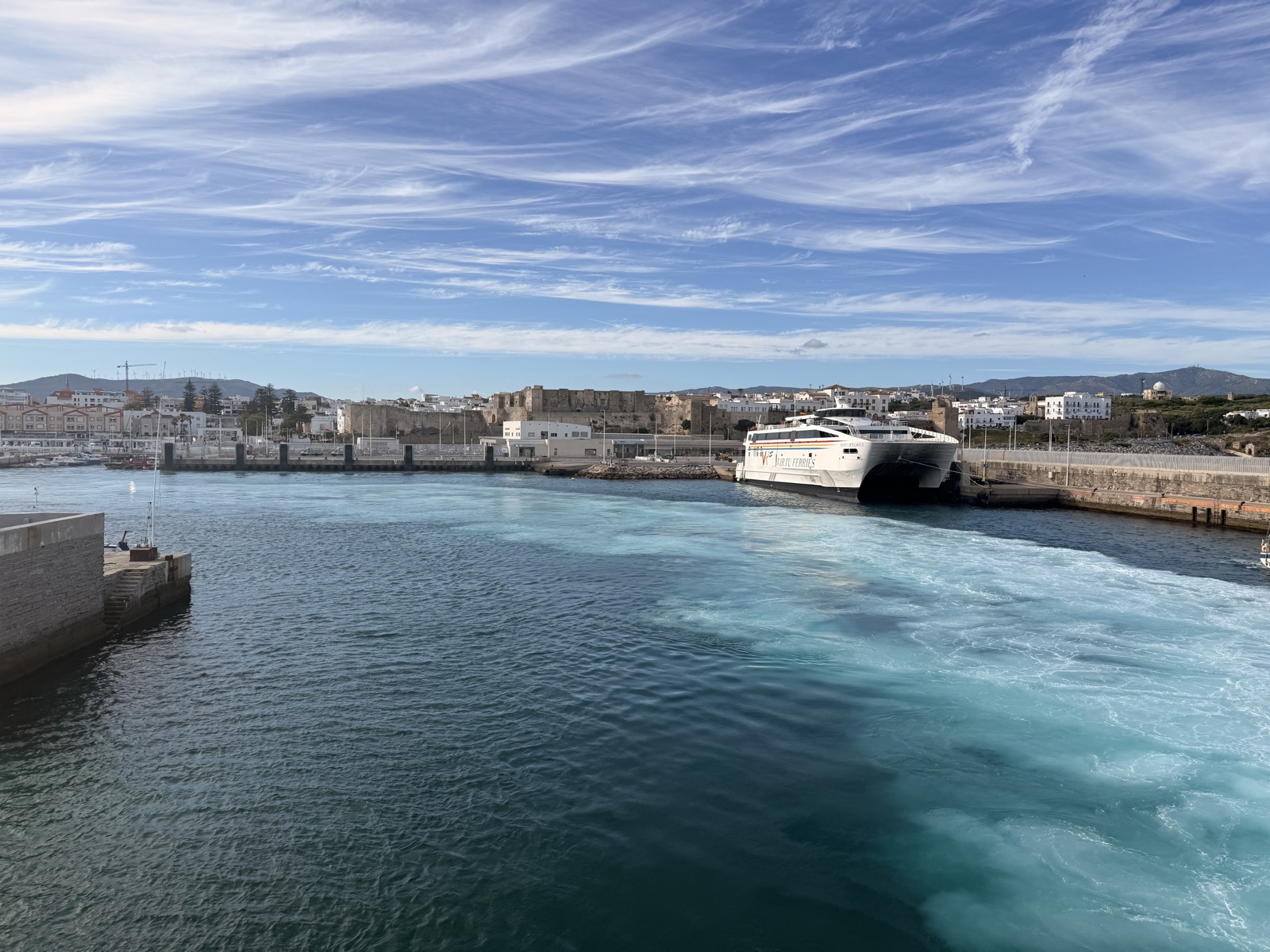
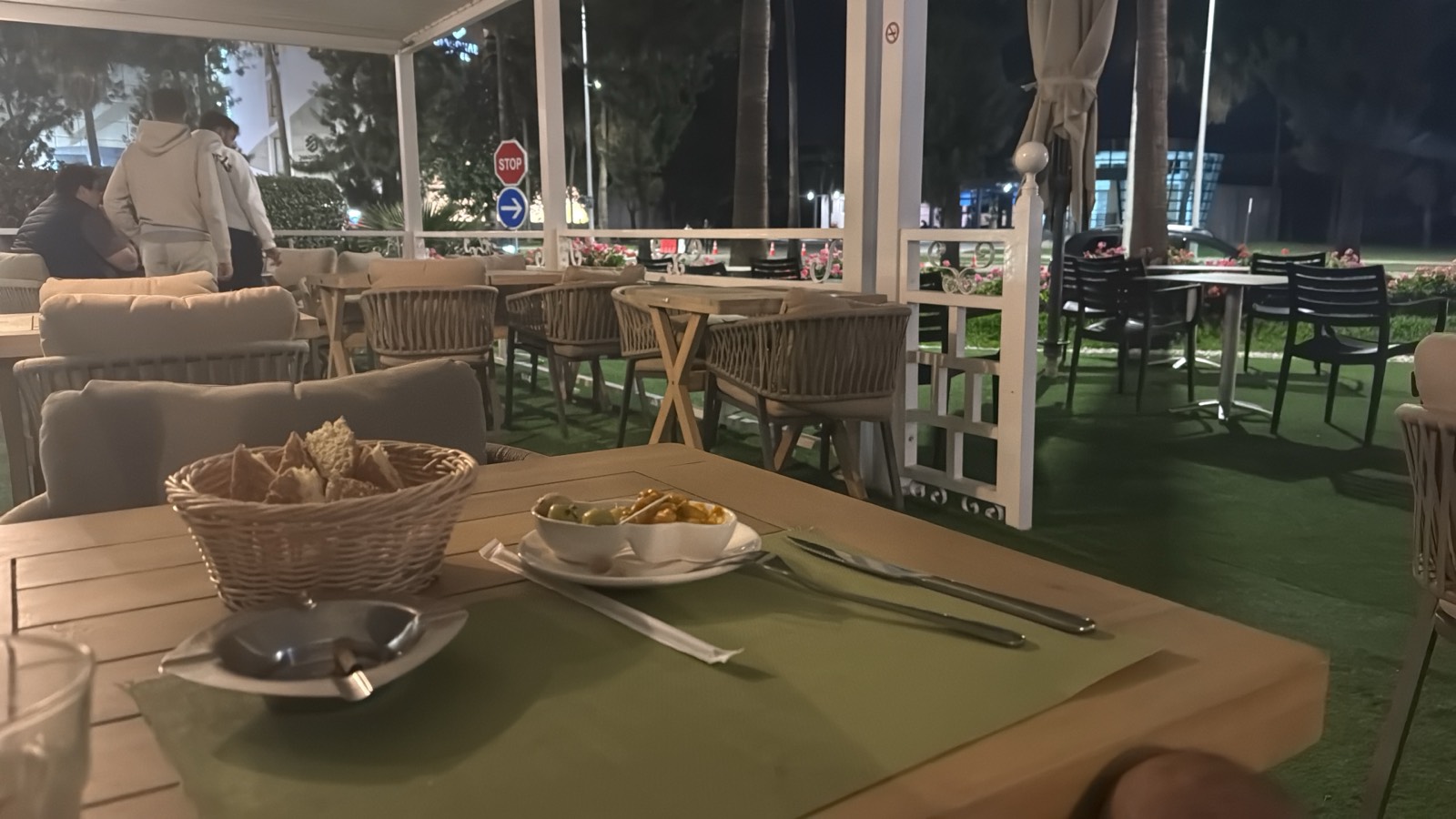
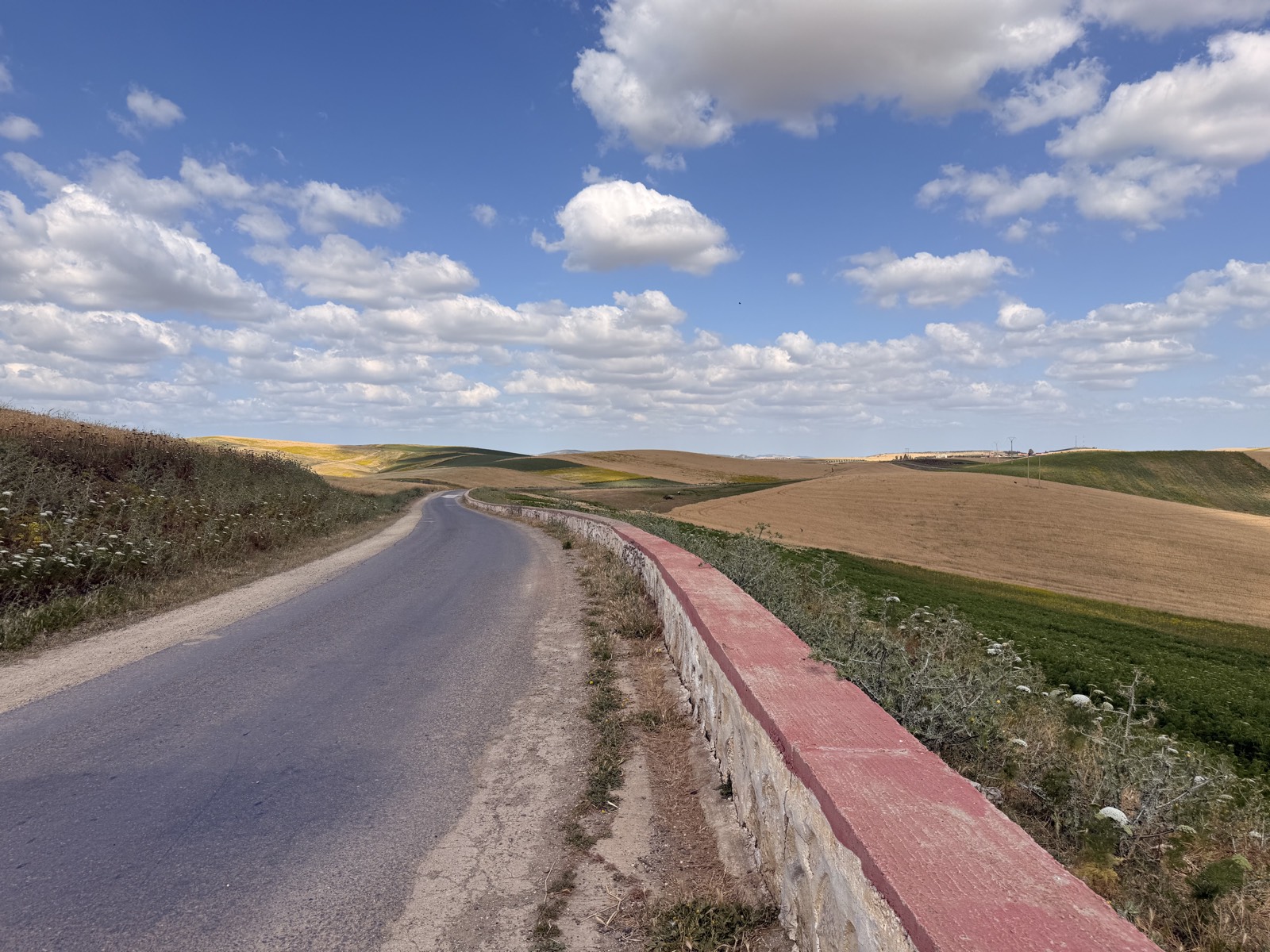
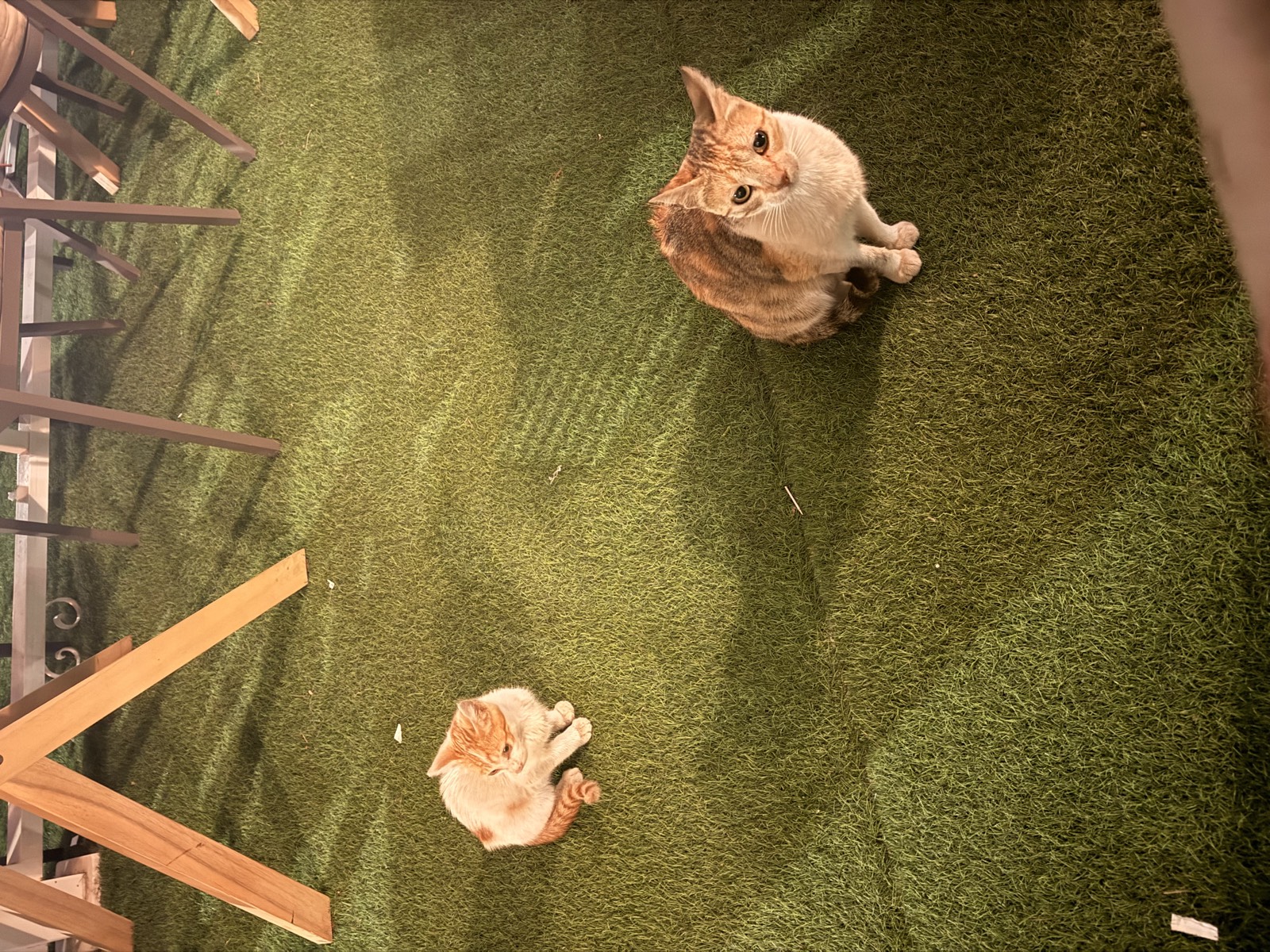
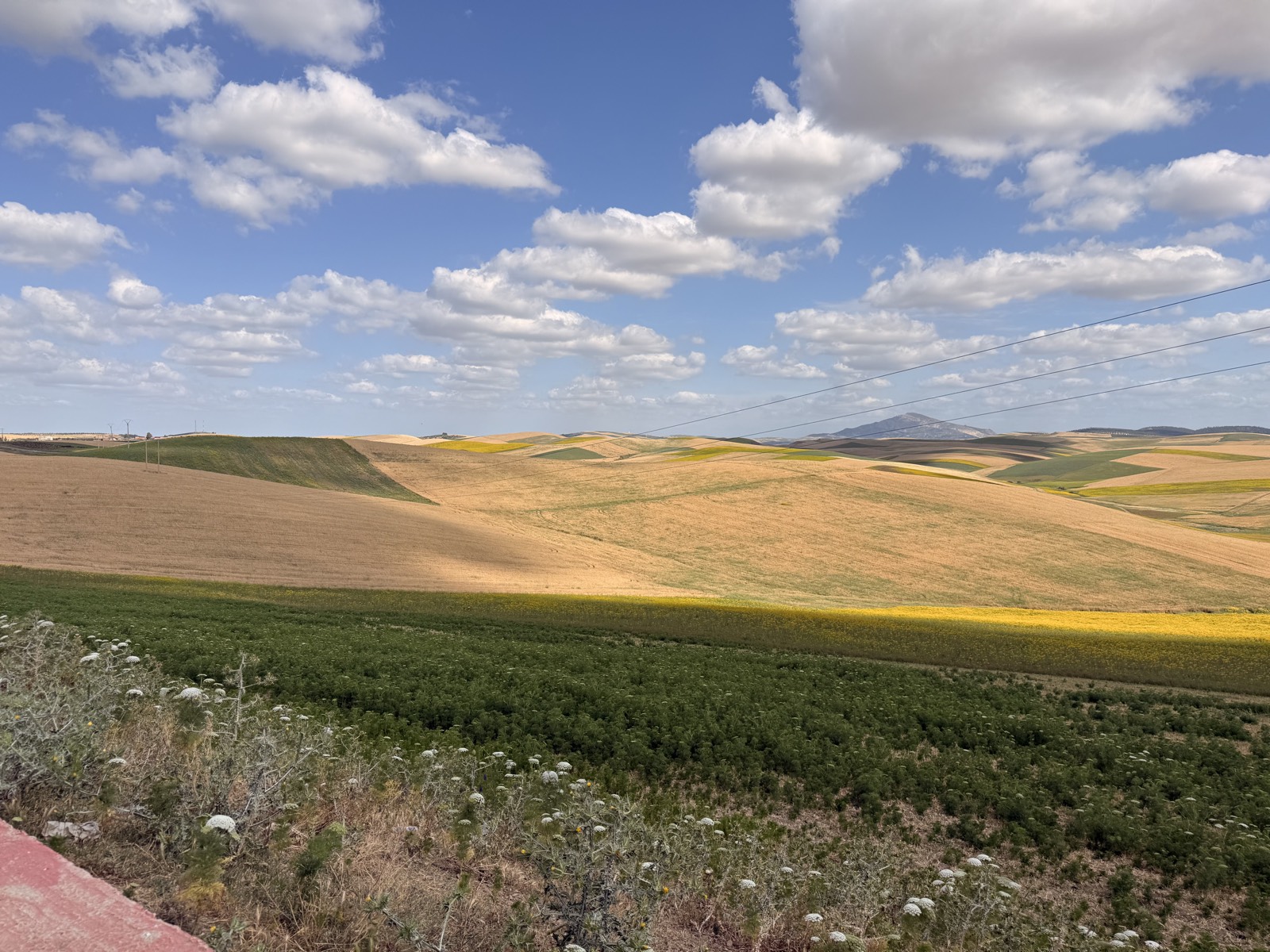
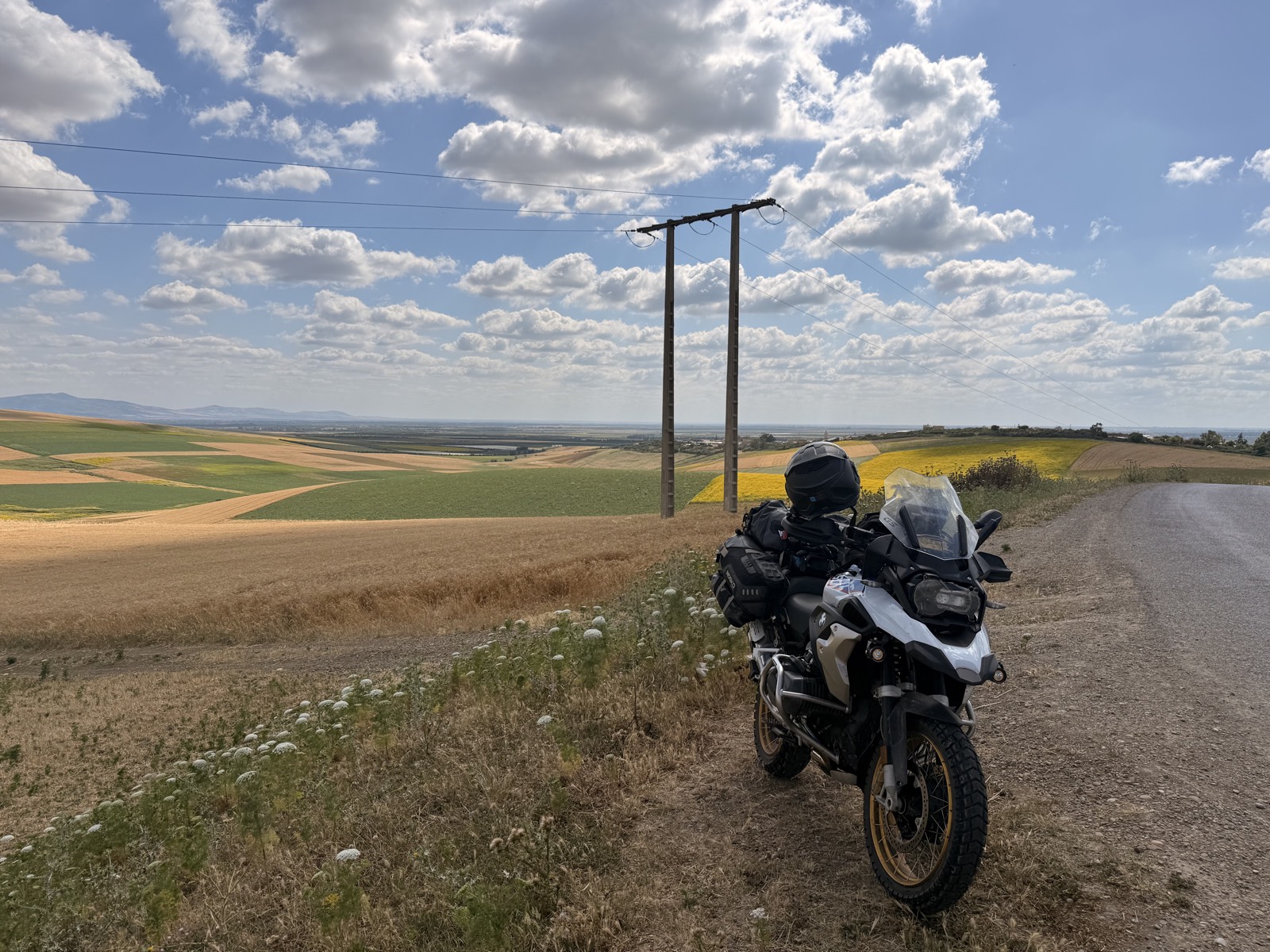
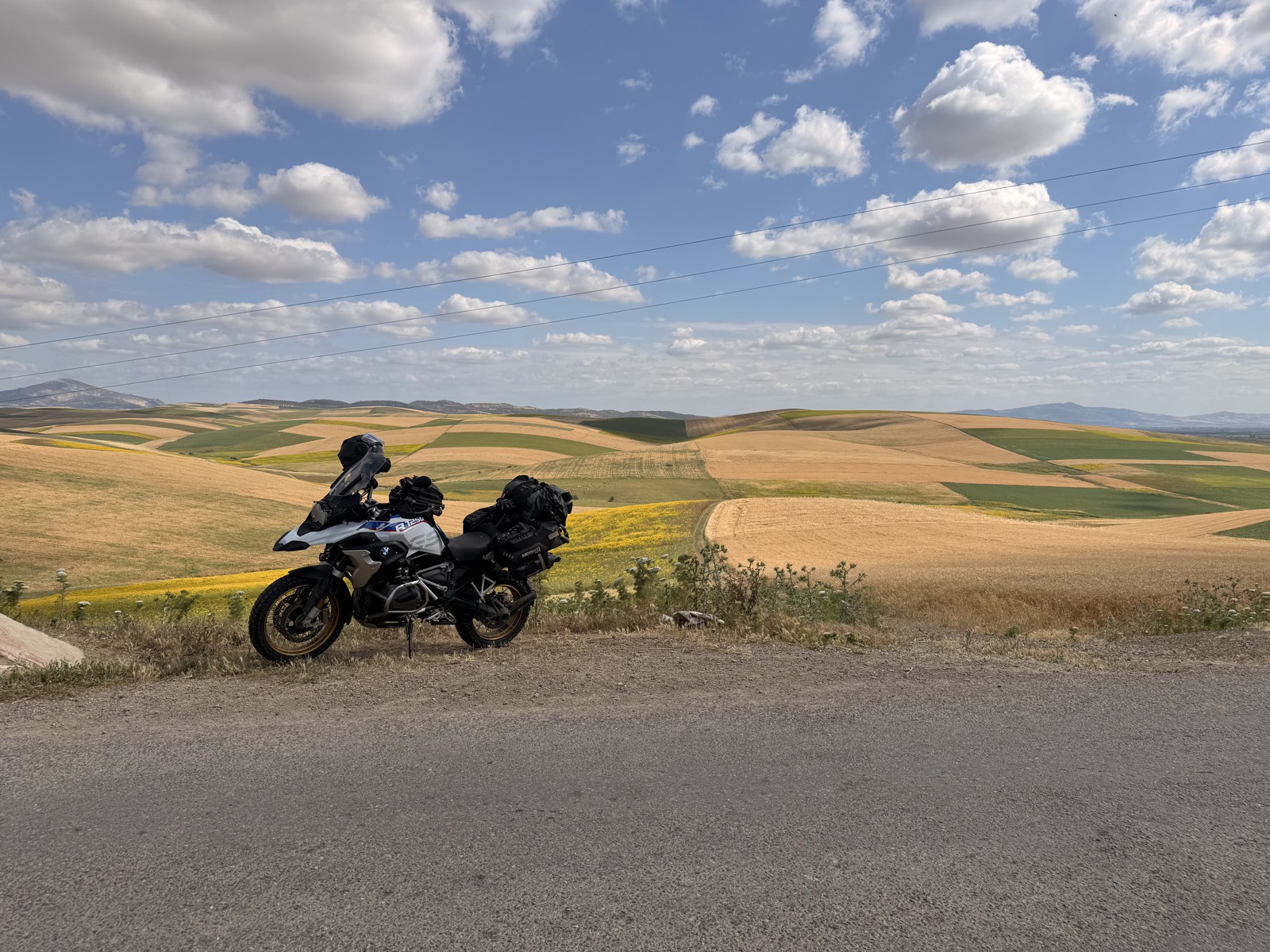
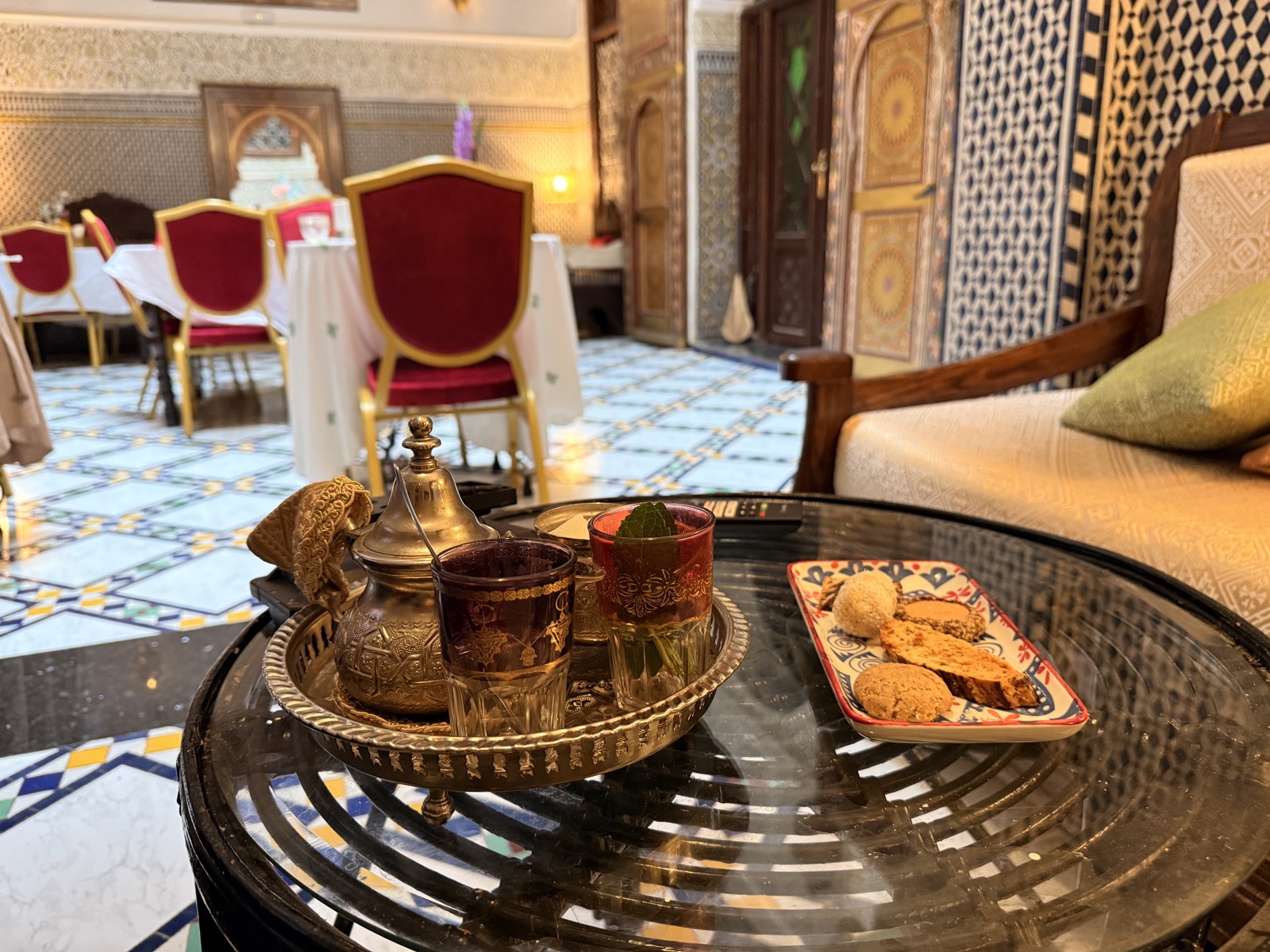
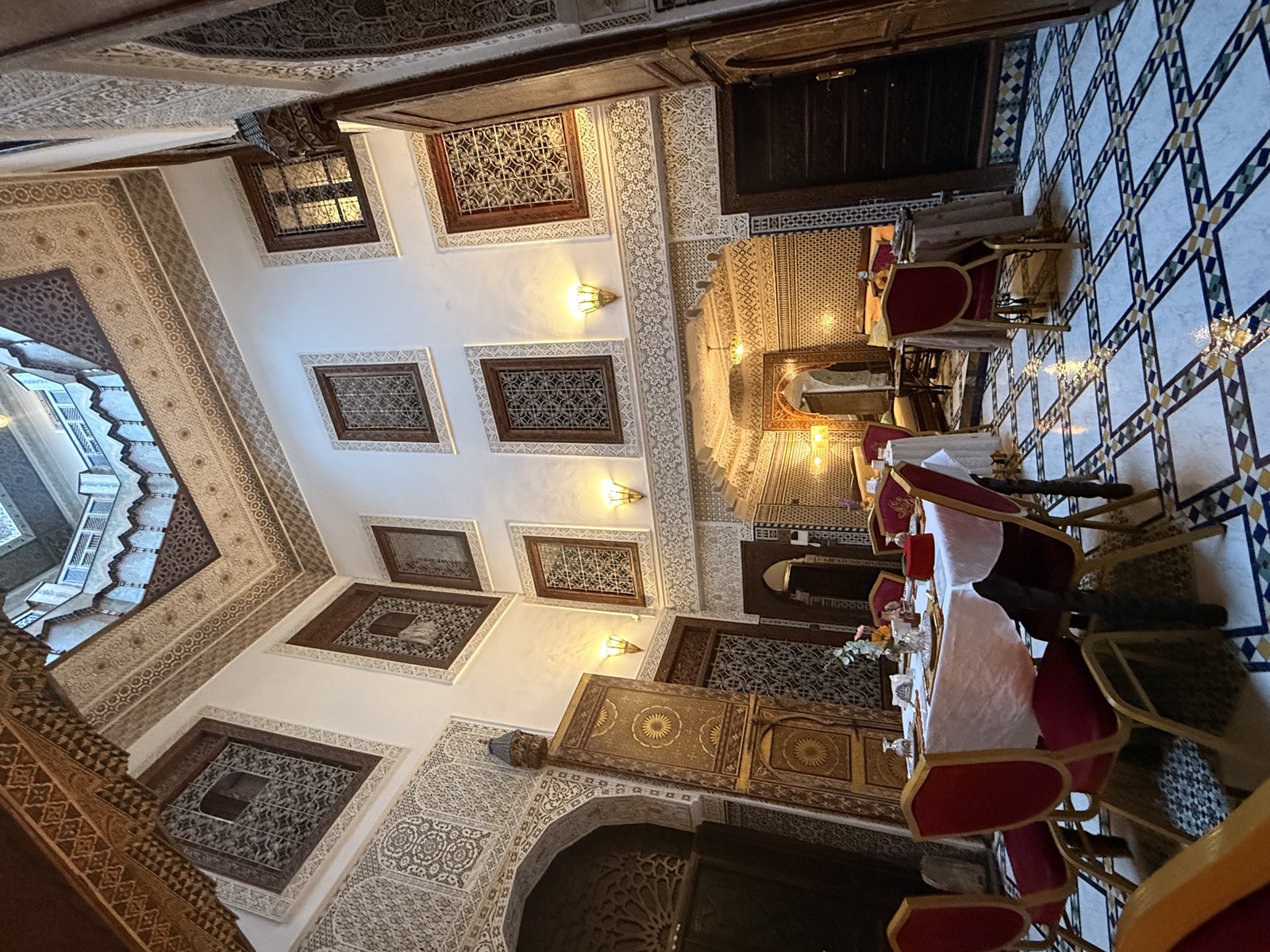
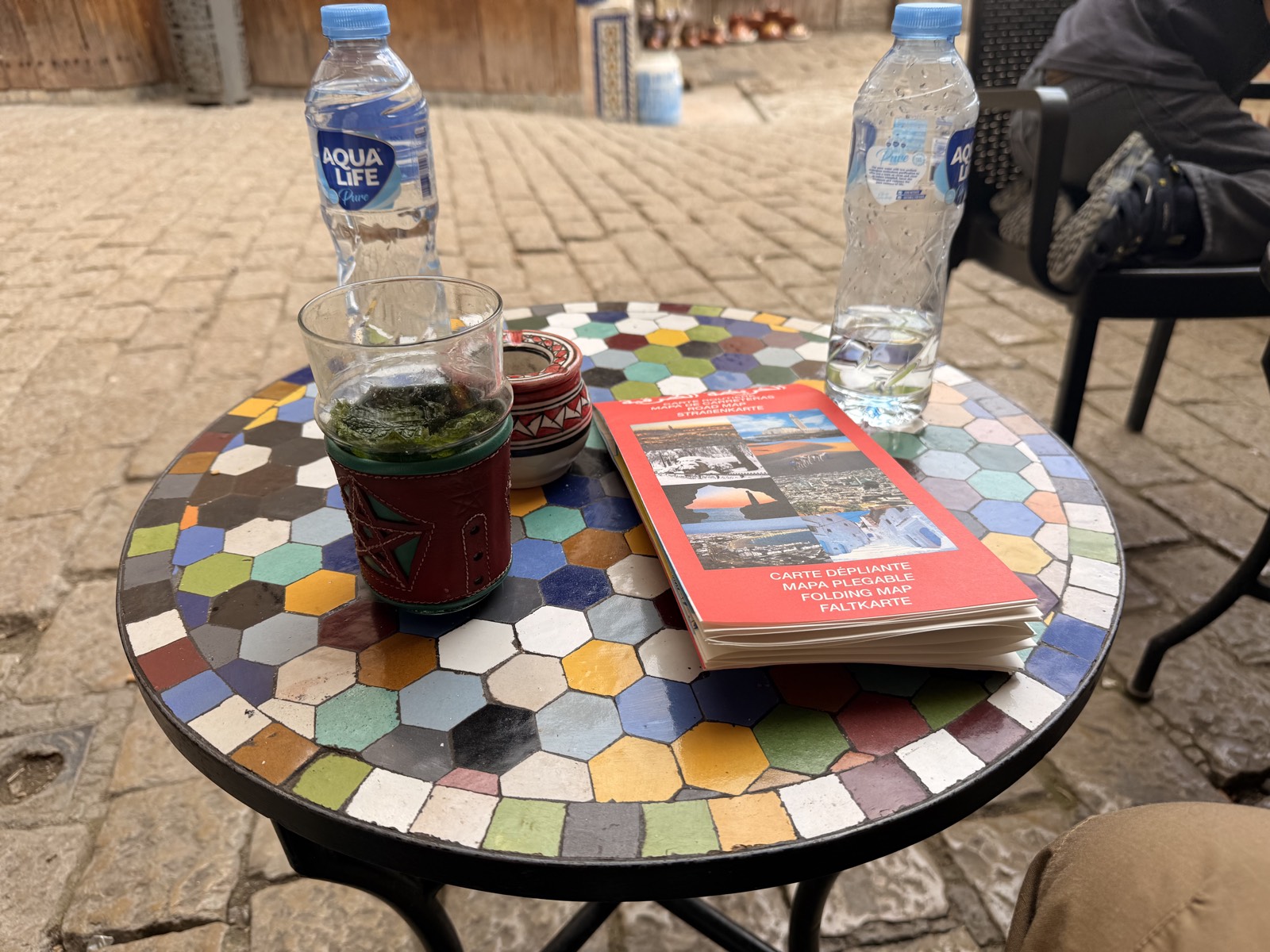
I booked a walking tour with a guide named Idris. Idris had a quiet, fatherly energy. I asked him not to give me the standard tour. I said I wanted to walk slowly, drink mint tea, and talk. So we walked, and we talked, and over a couple of hours he listened to my plans and helped me redesign my whole Morocco trip on a map he bought for me. Almost everything good that happened in Morocco came from Idris.
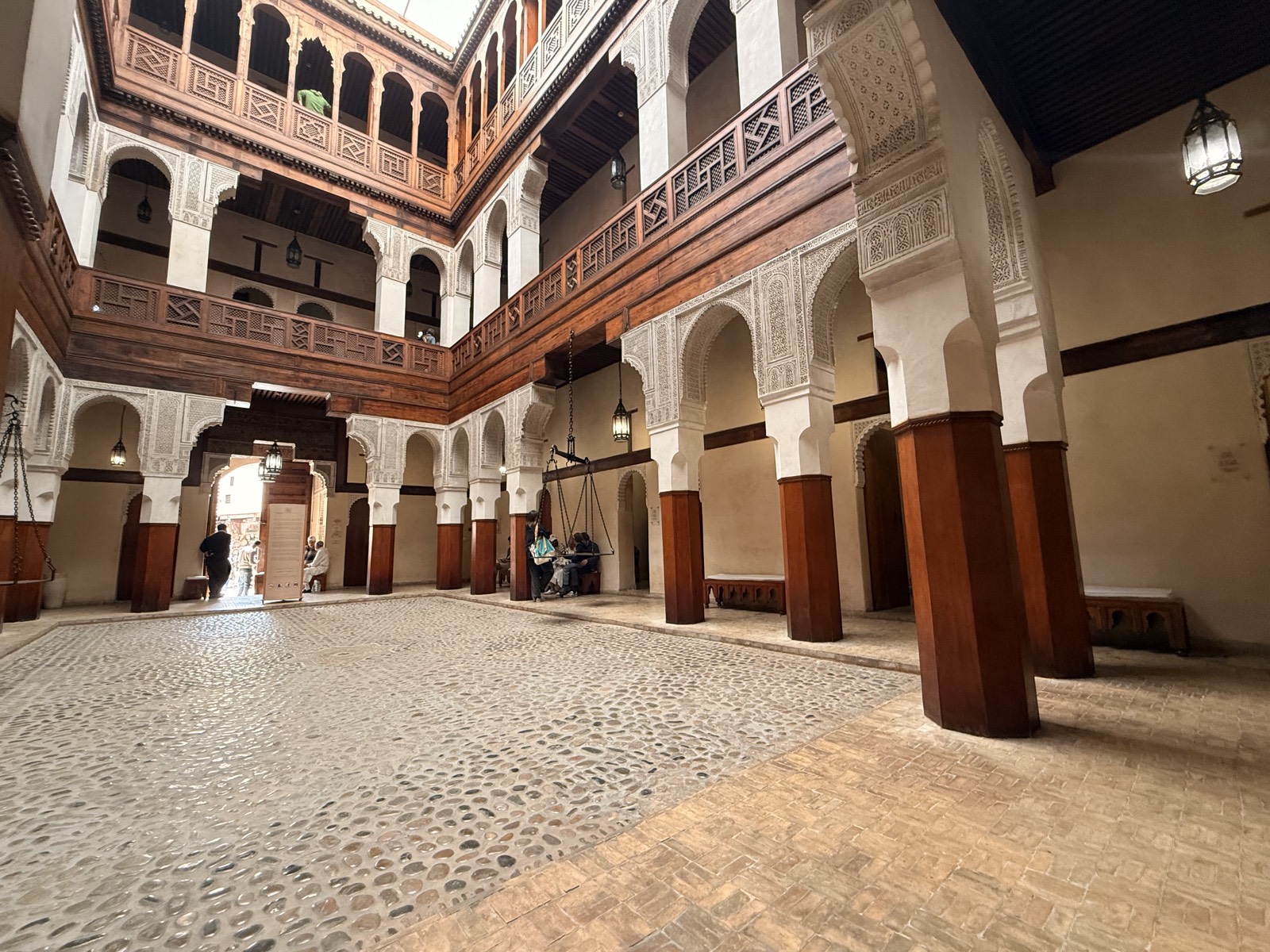
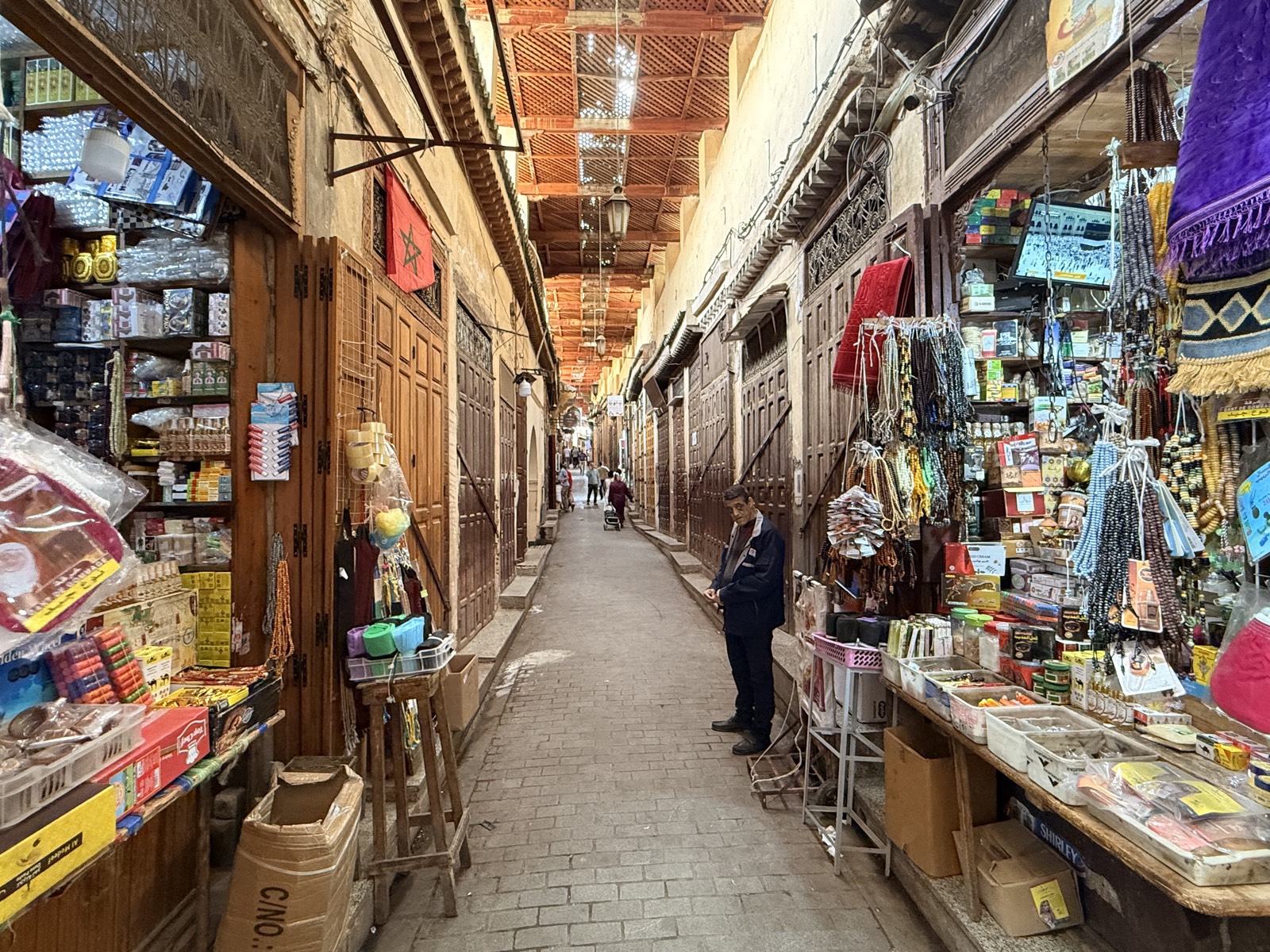
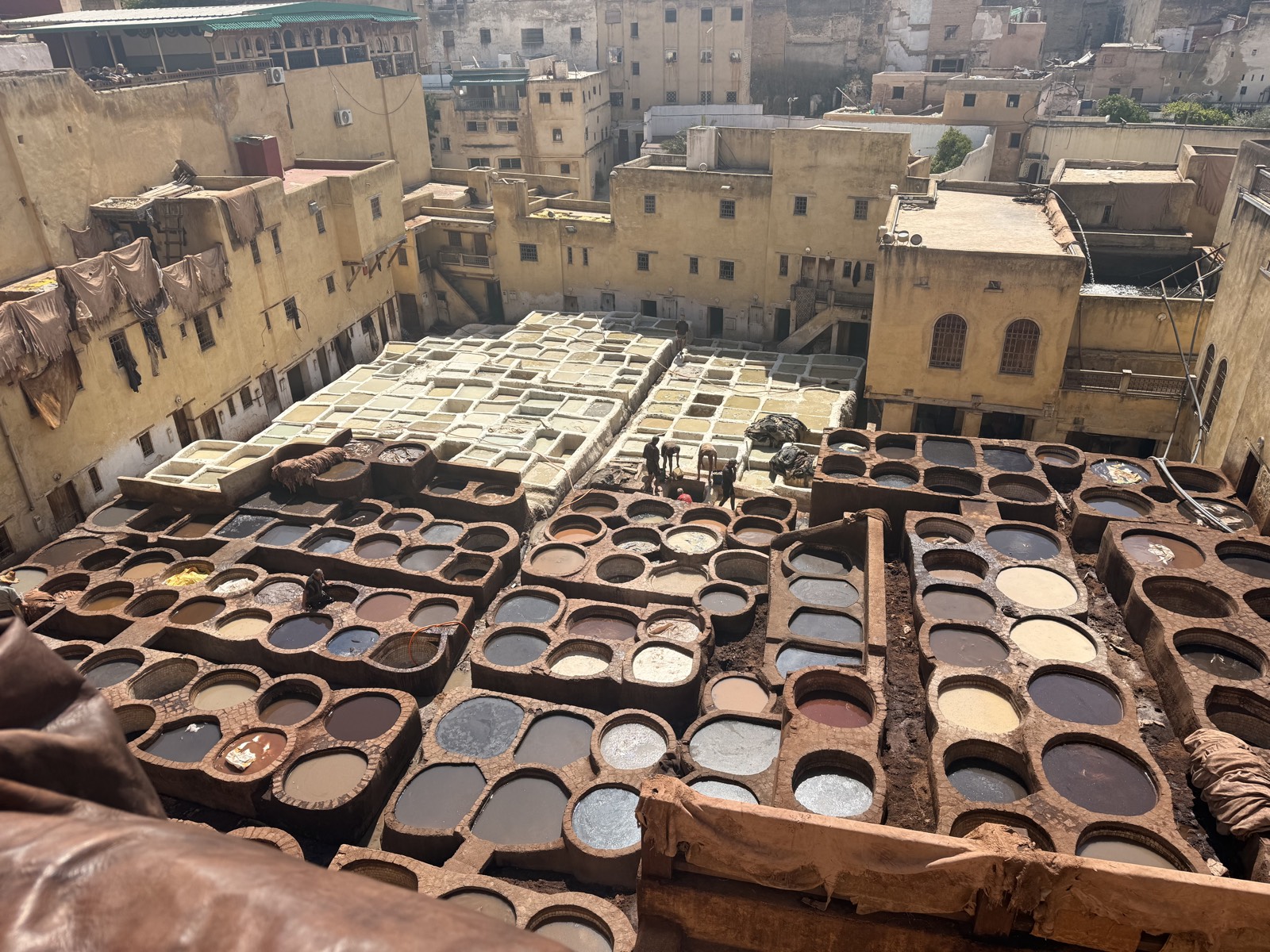
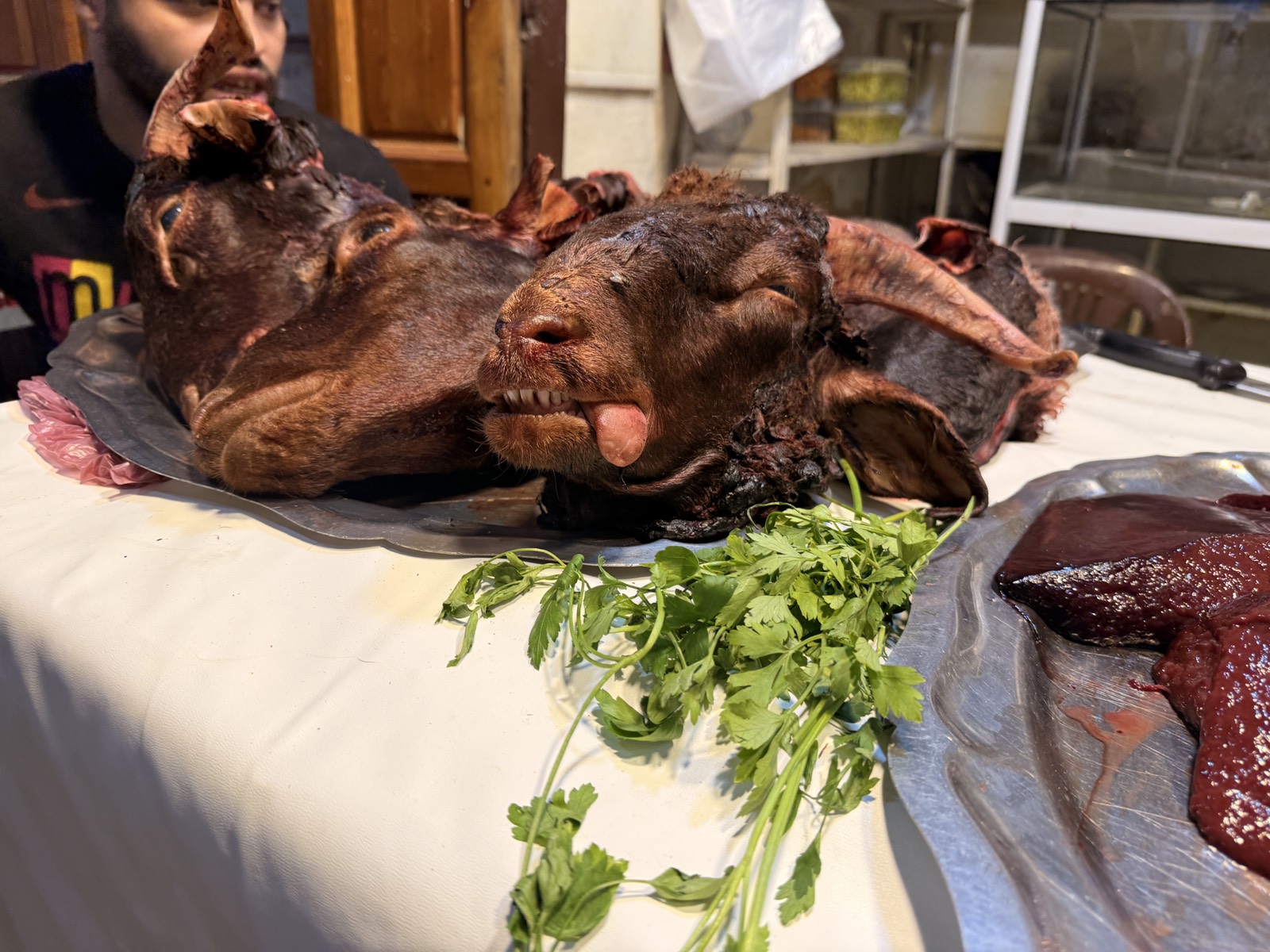
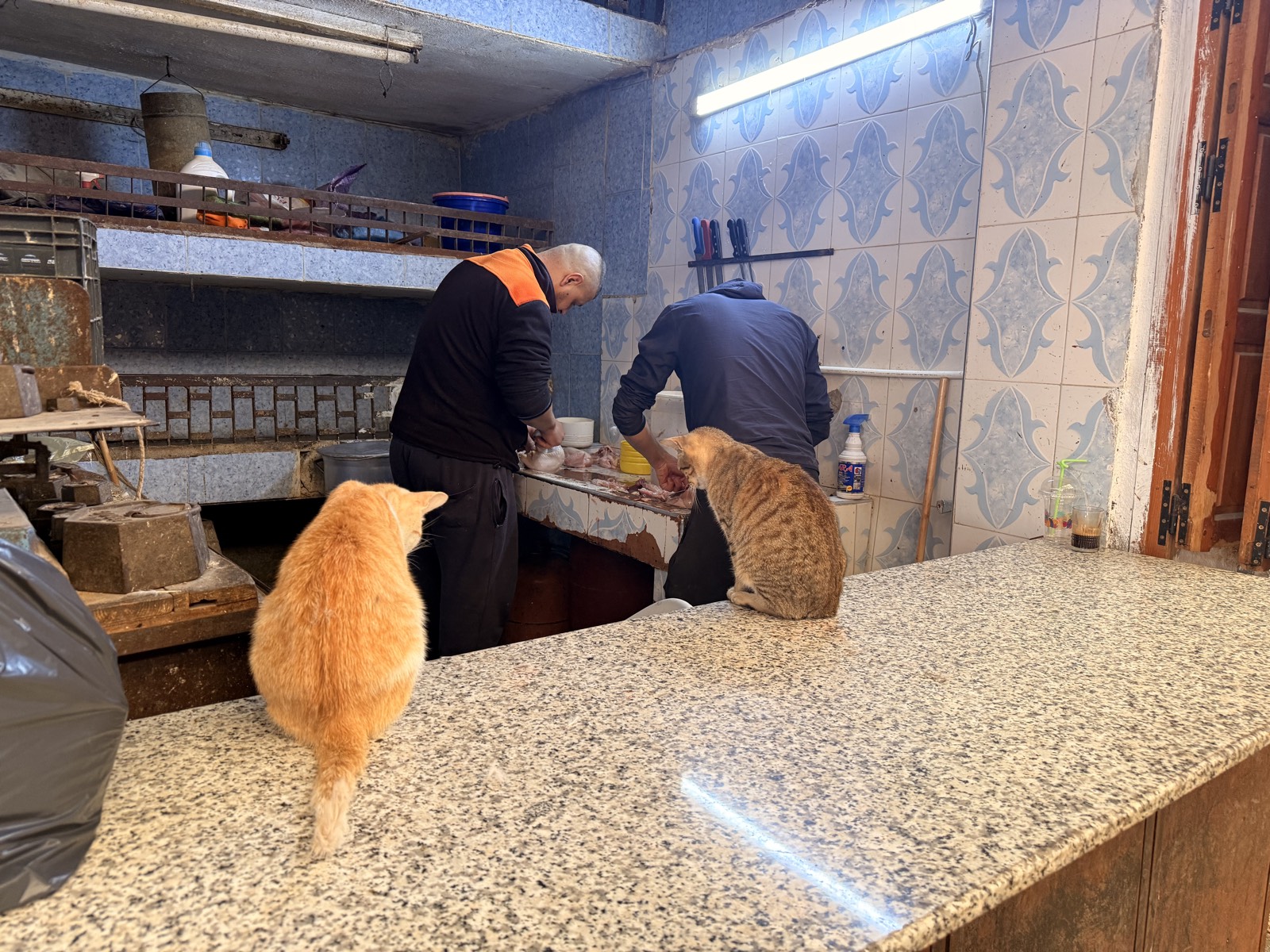
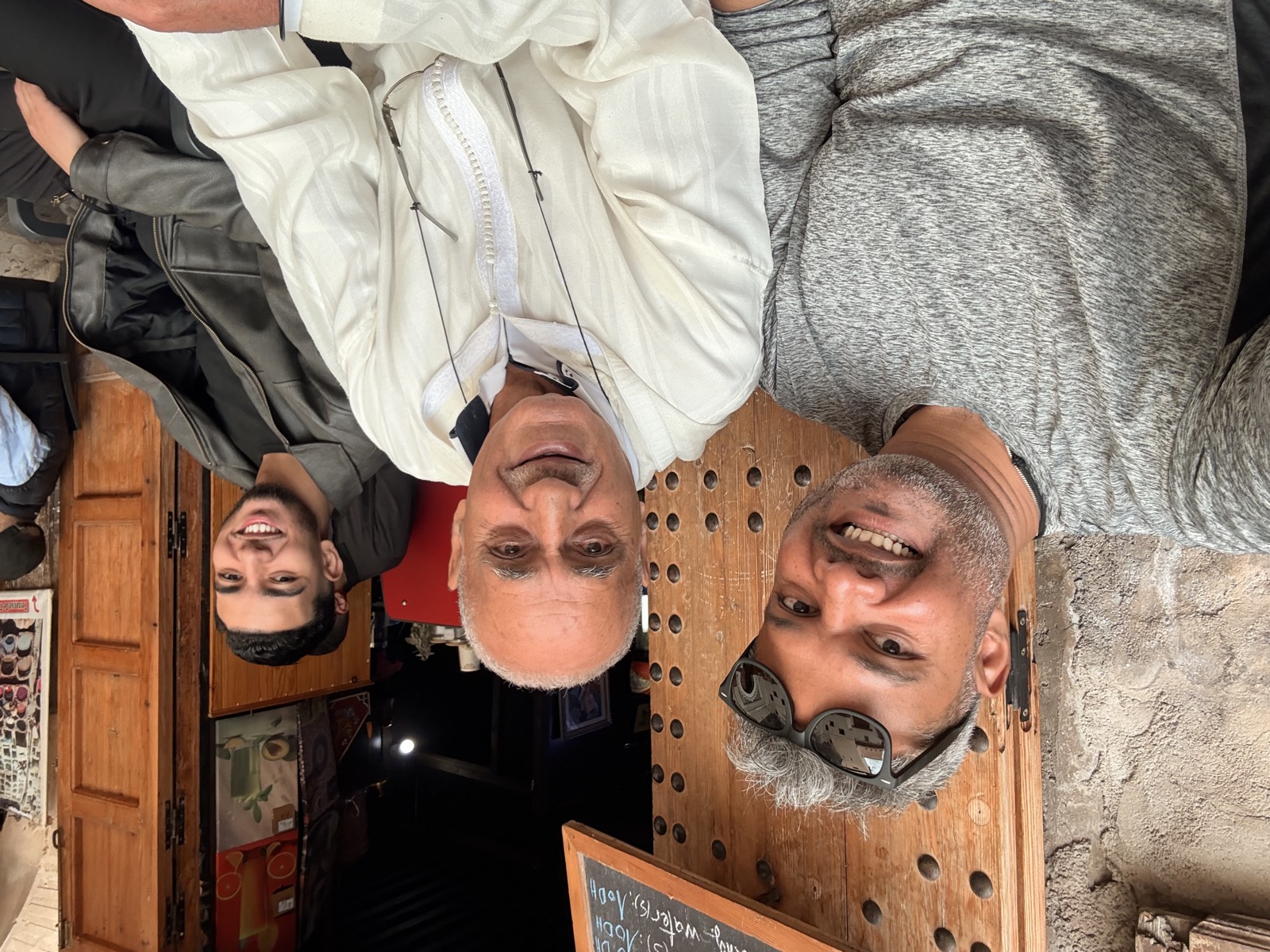
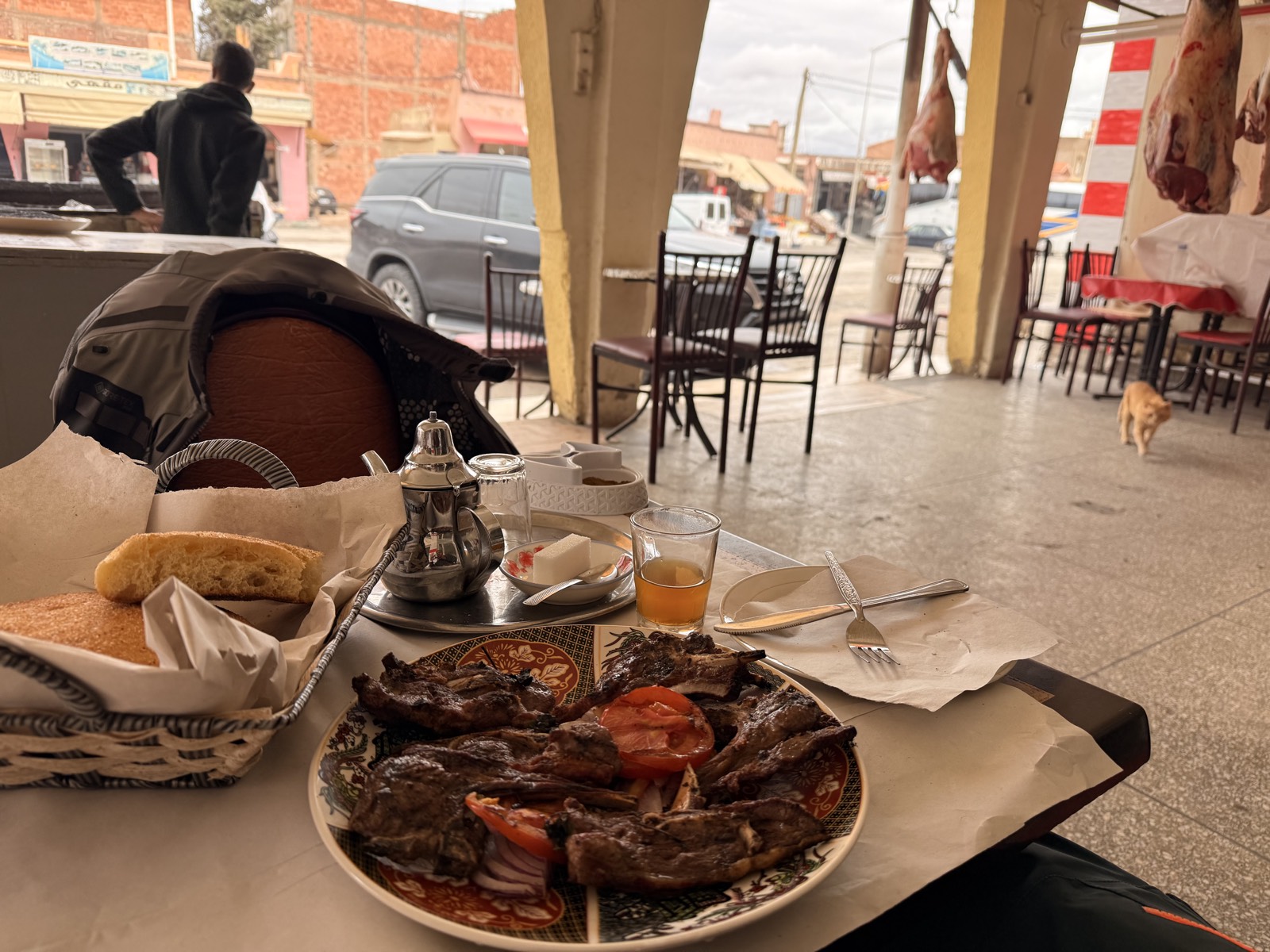
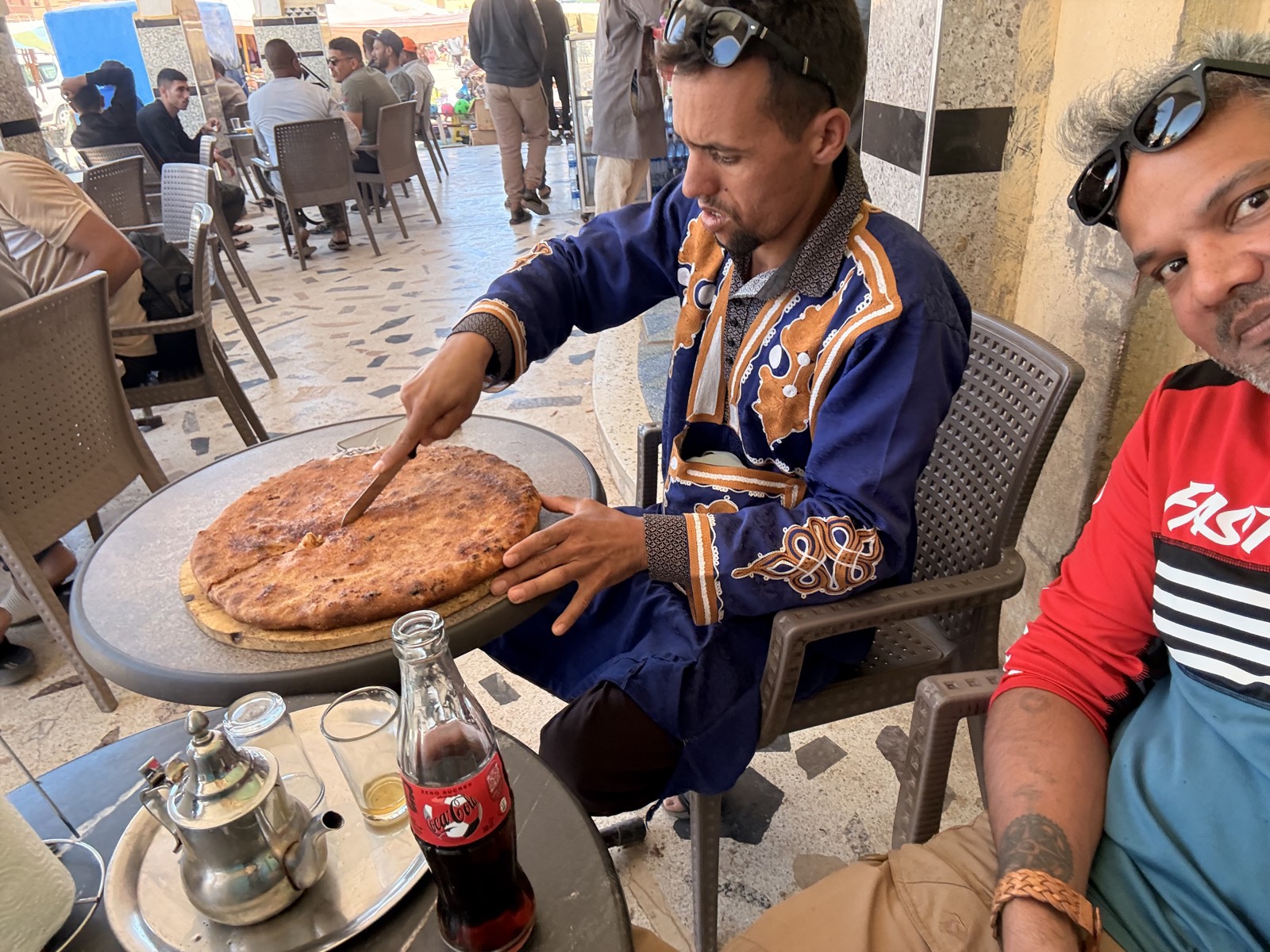
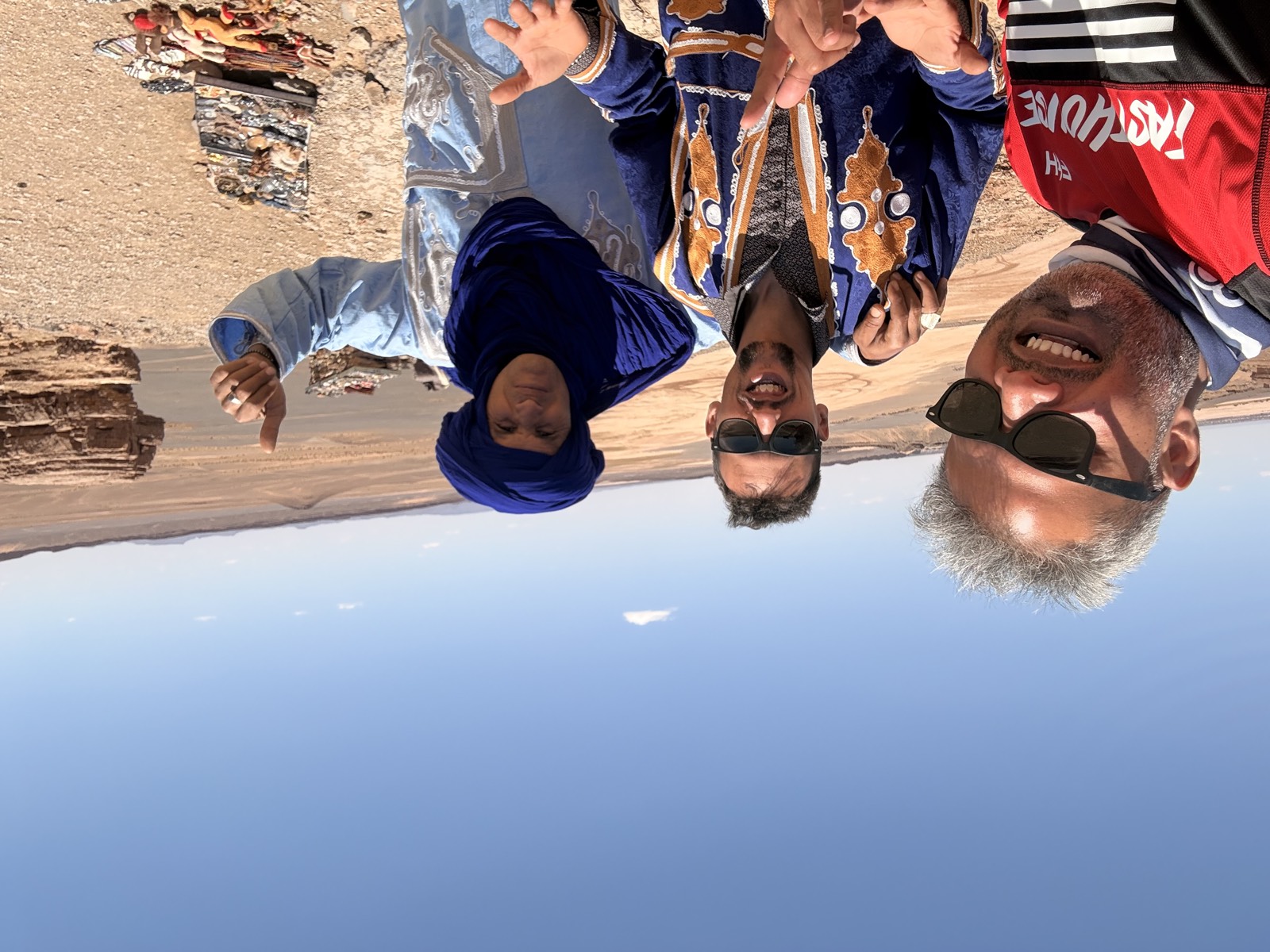
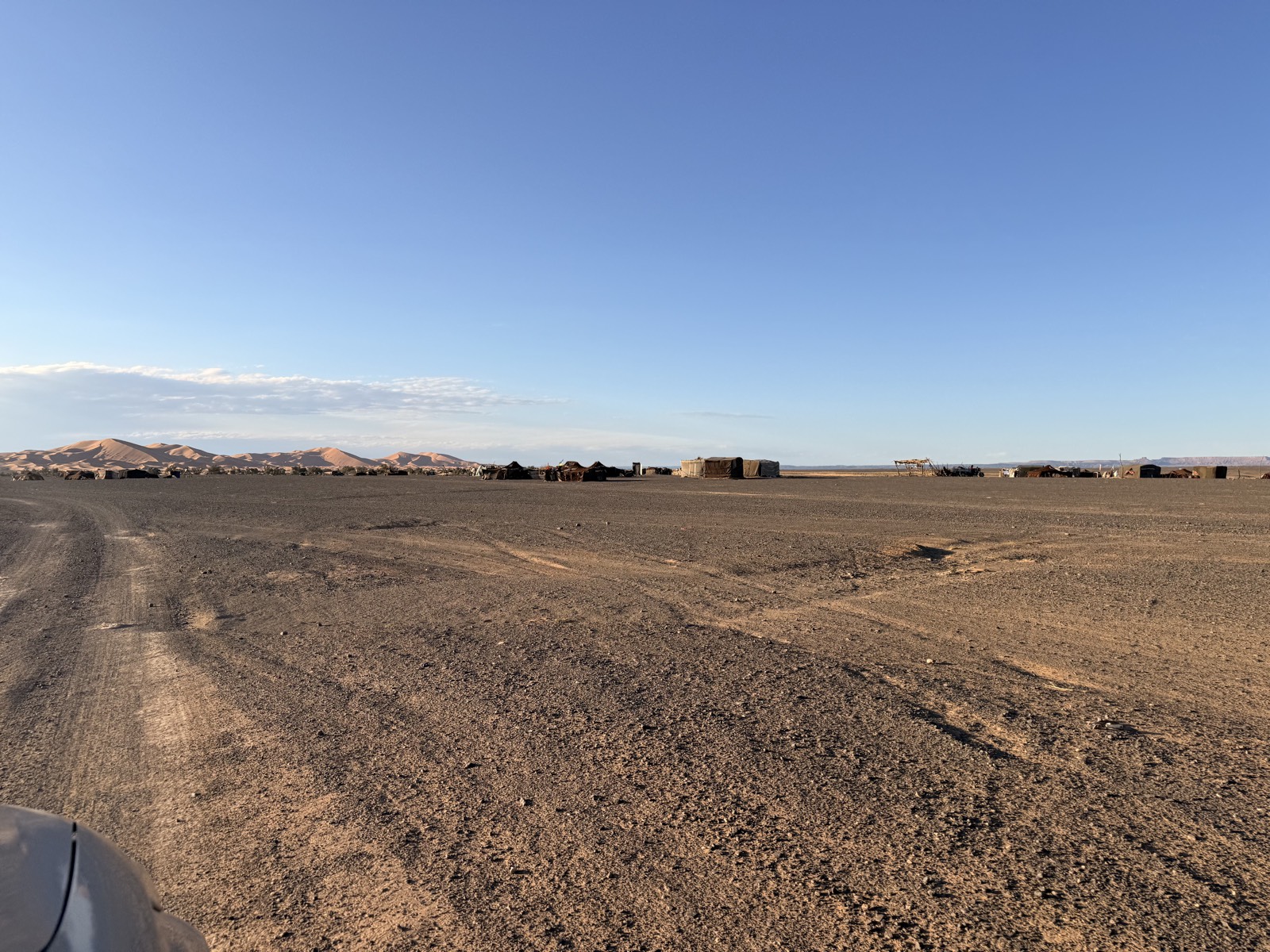
I rode south to Merzouga, on the edge of the Sahara. My guide and driver was Hasan. We stopped in Erfoud for supplies, wandered the market, shared a berber pizza, and drove out into the desert together.
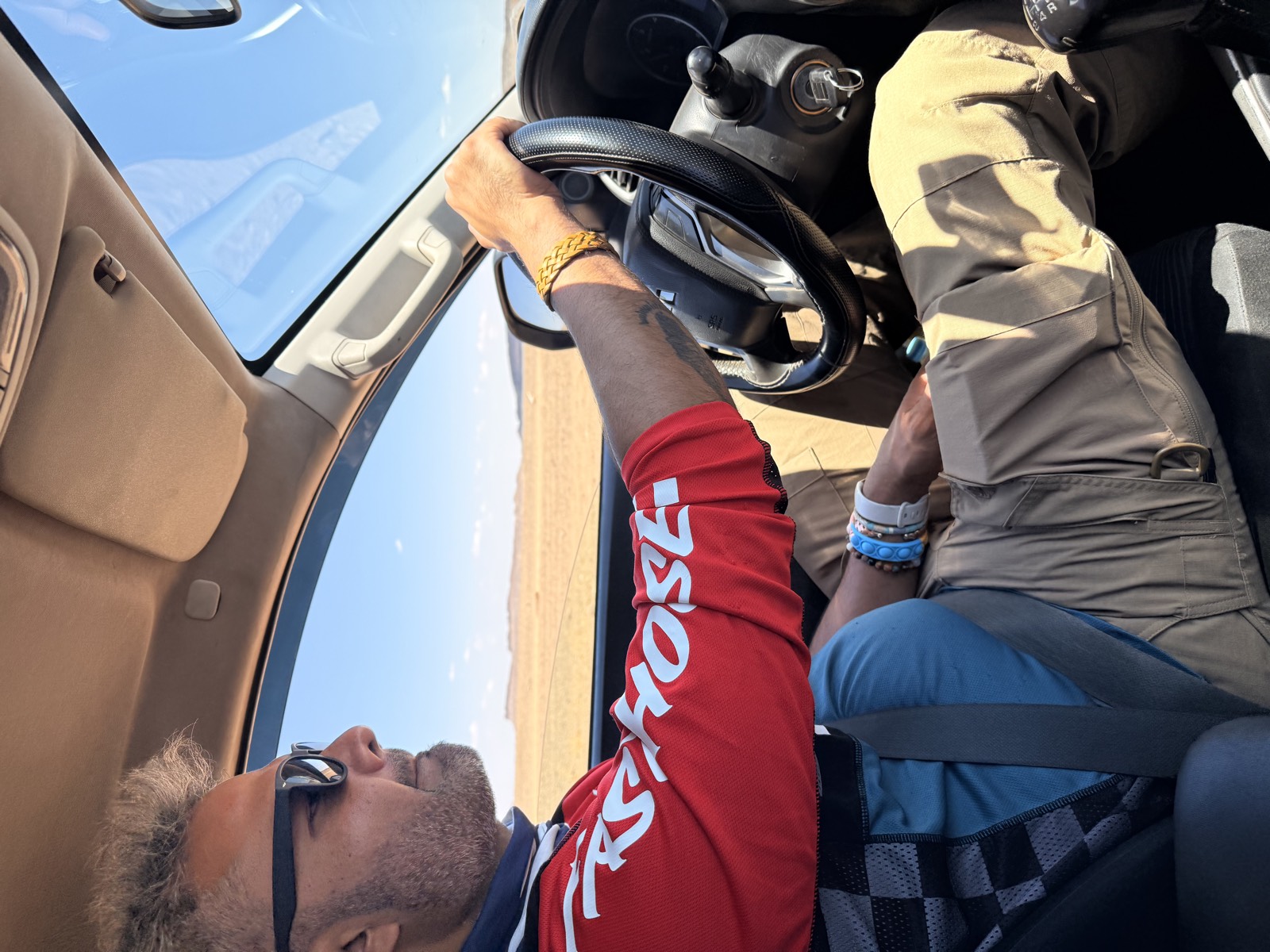
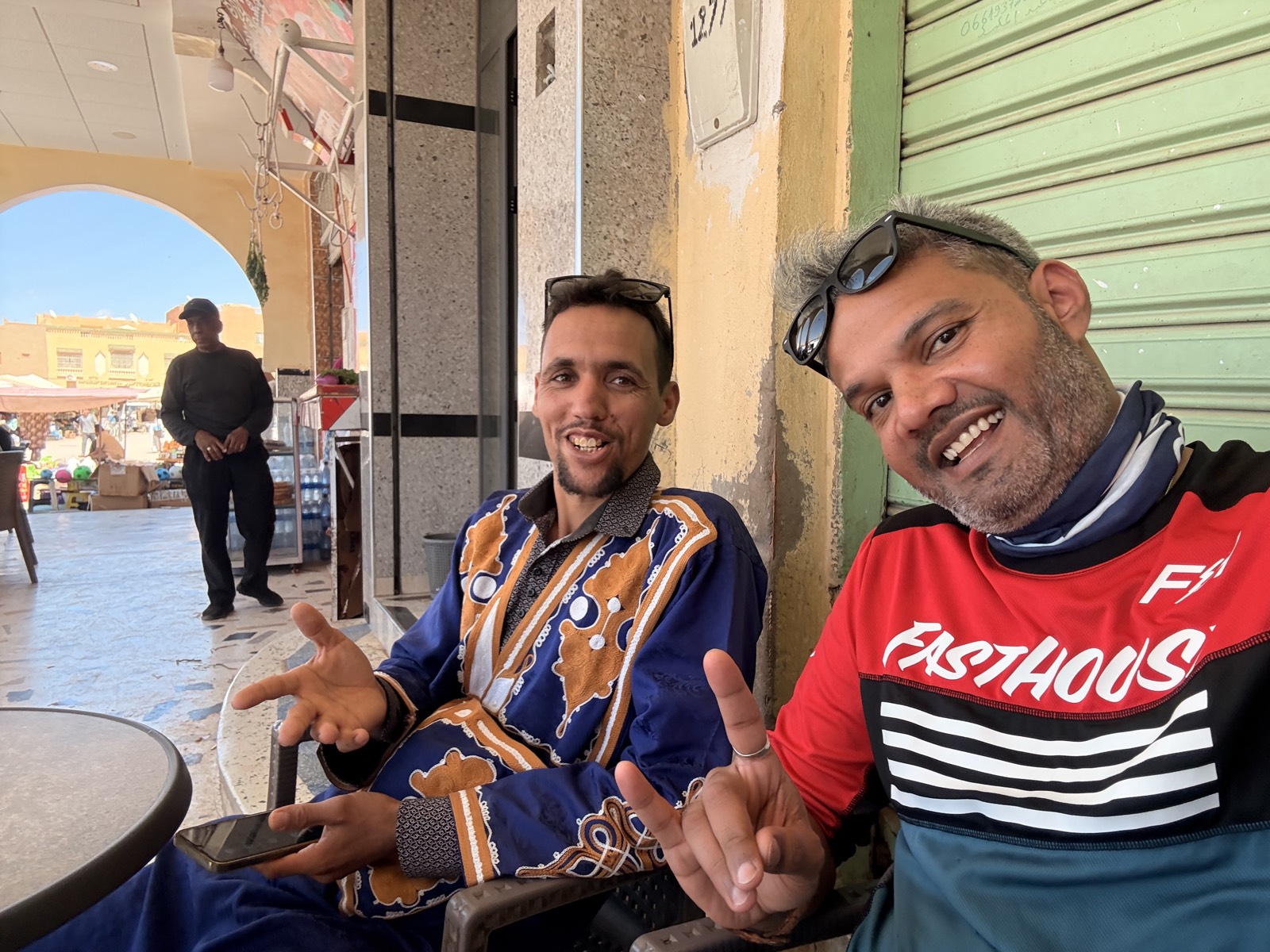
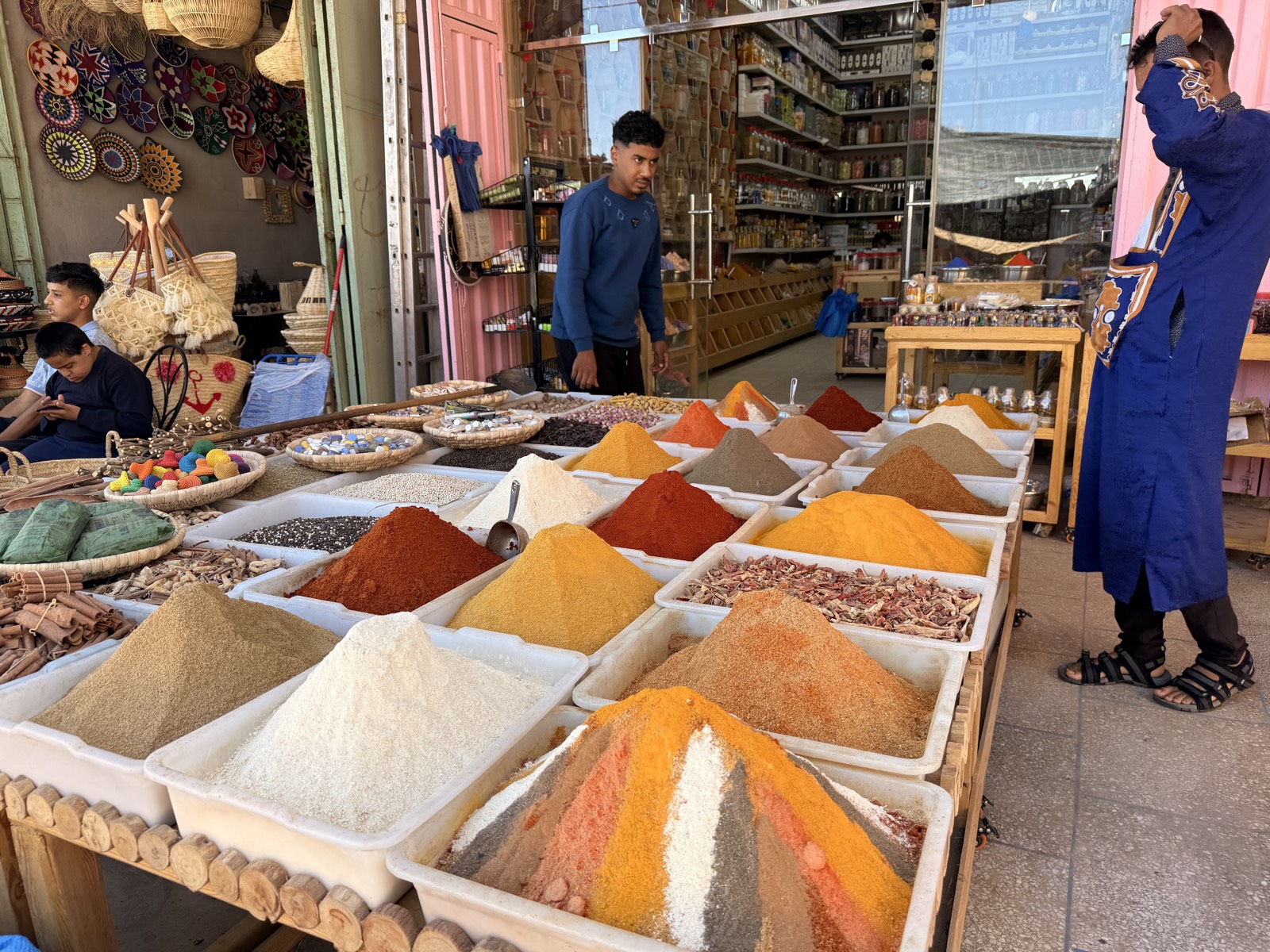
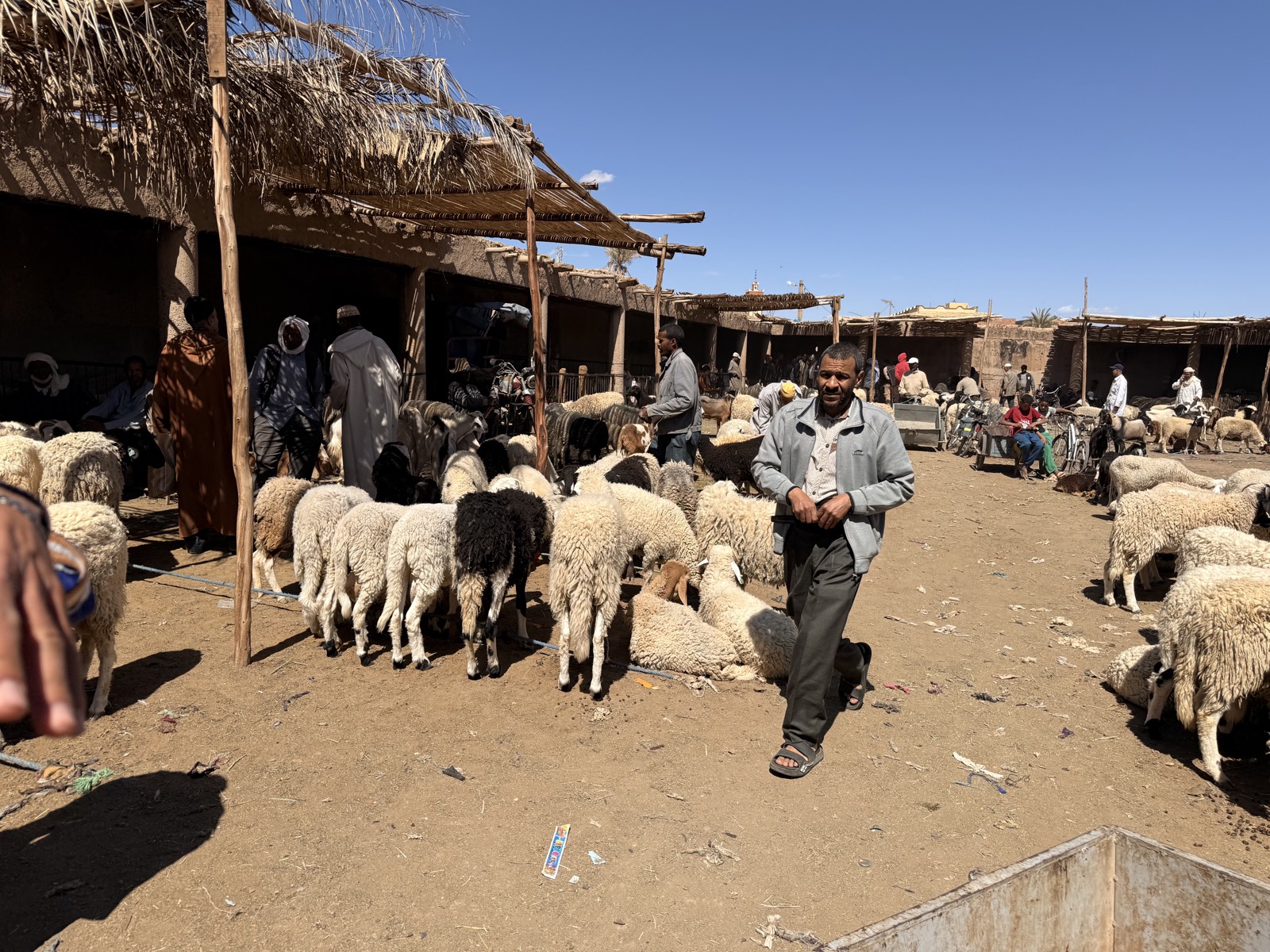
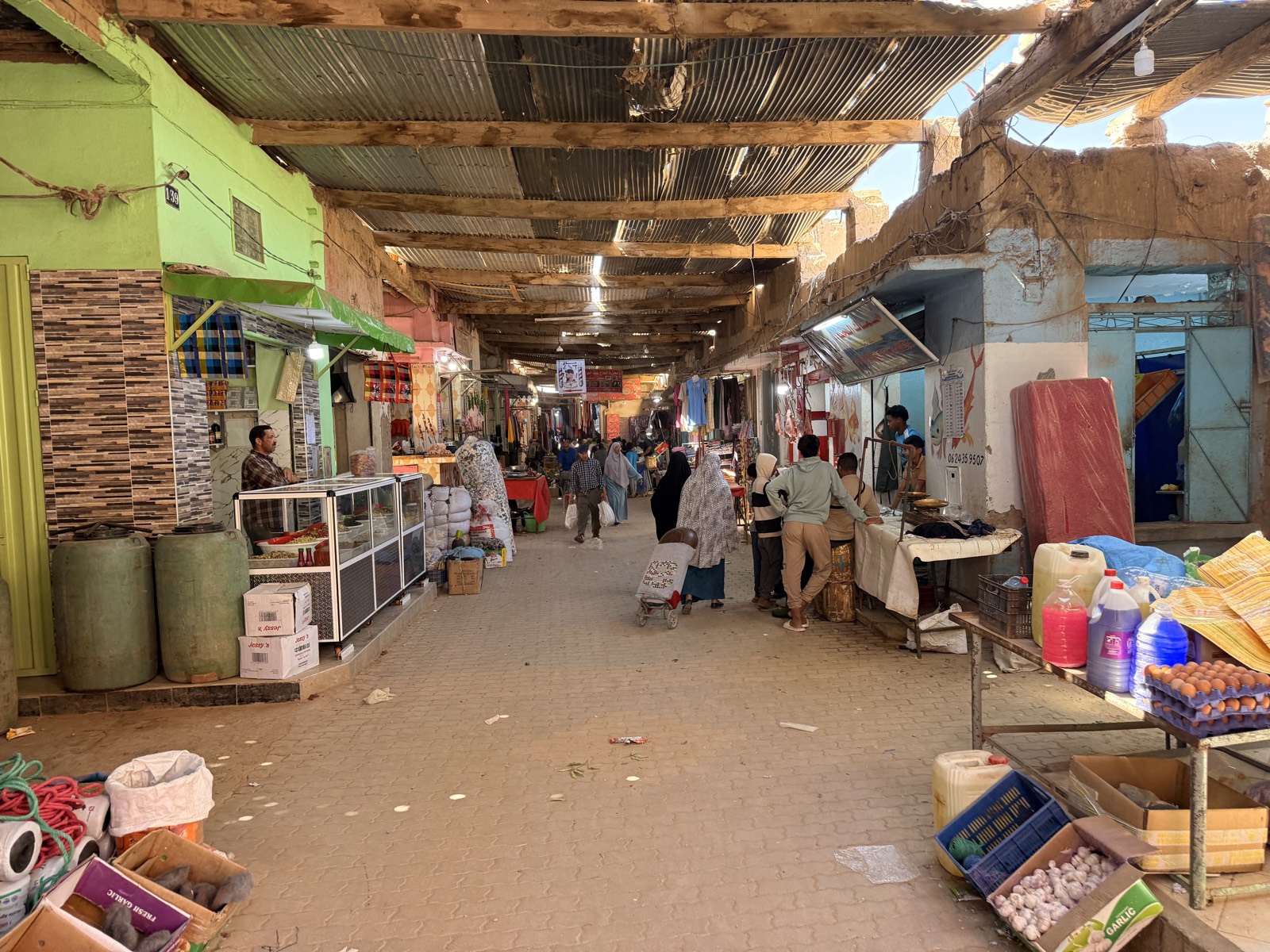
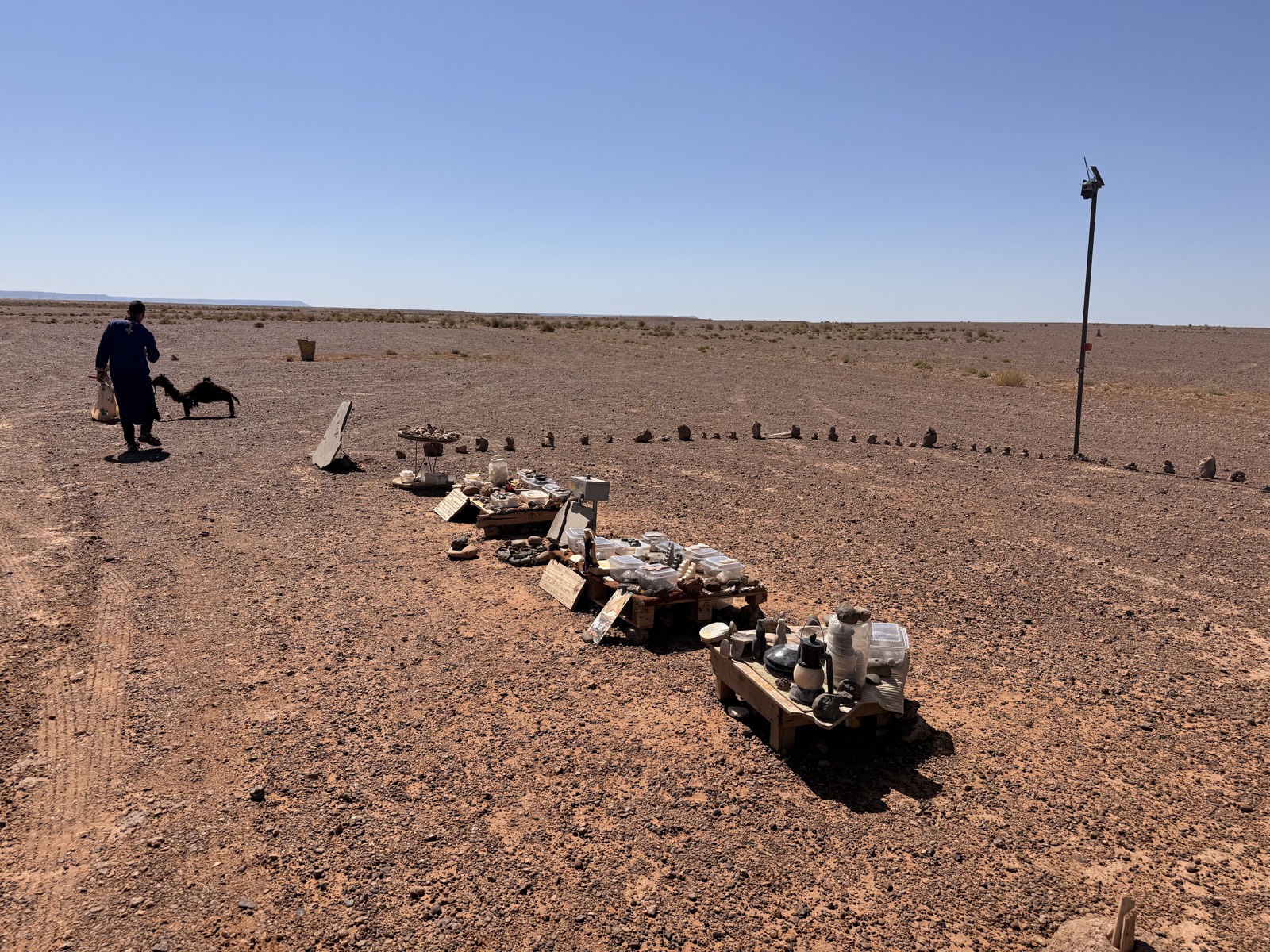
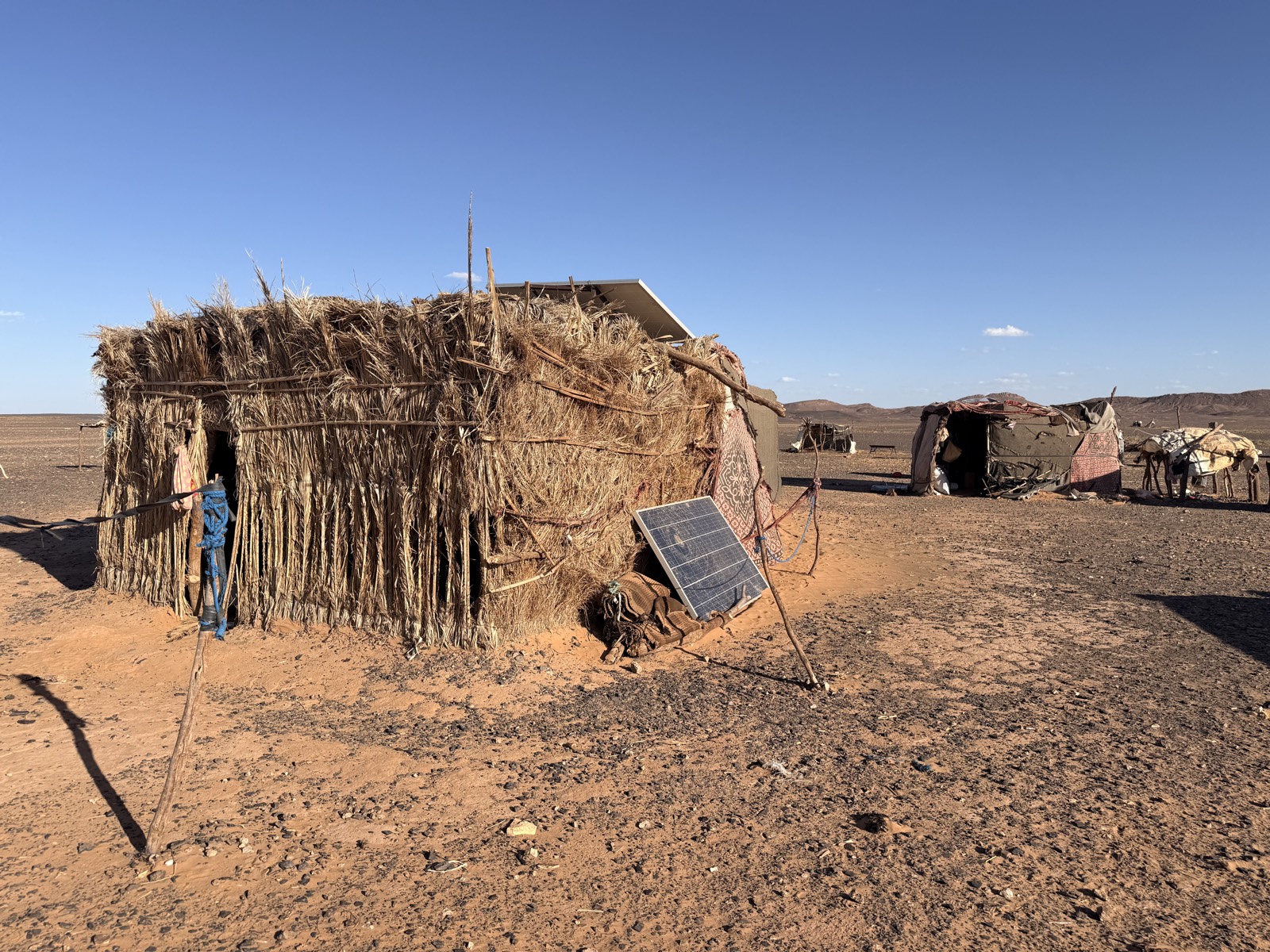
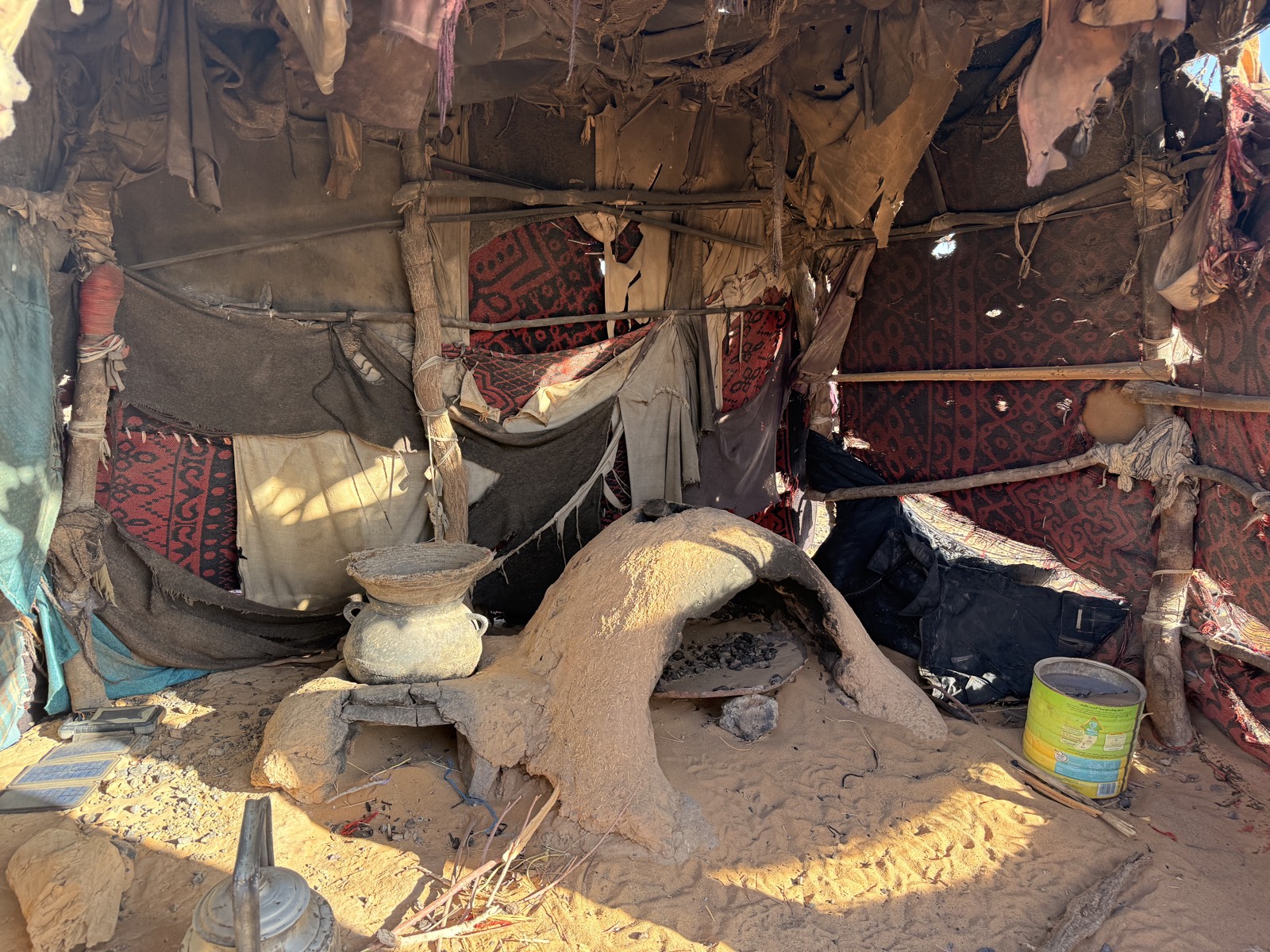
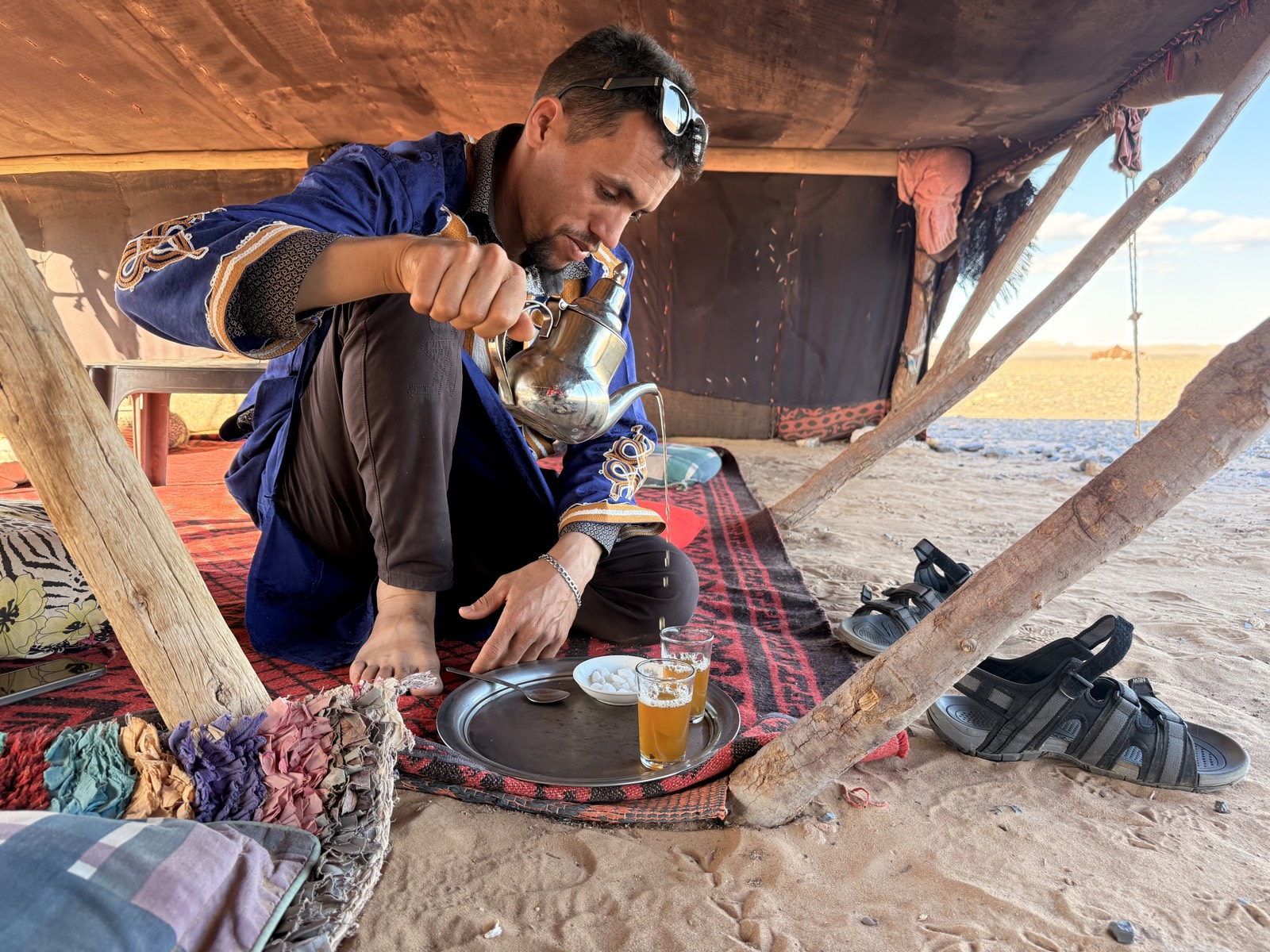
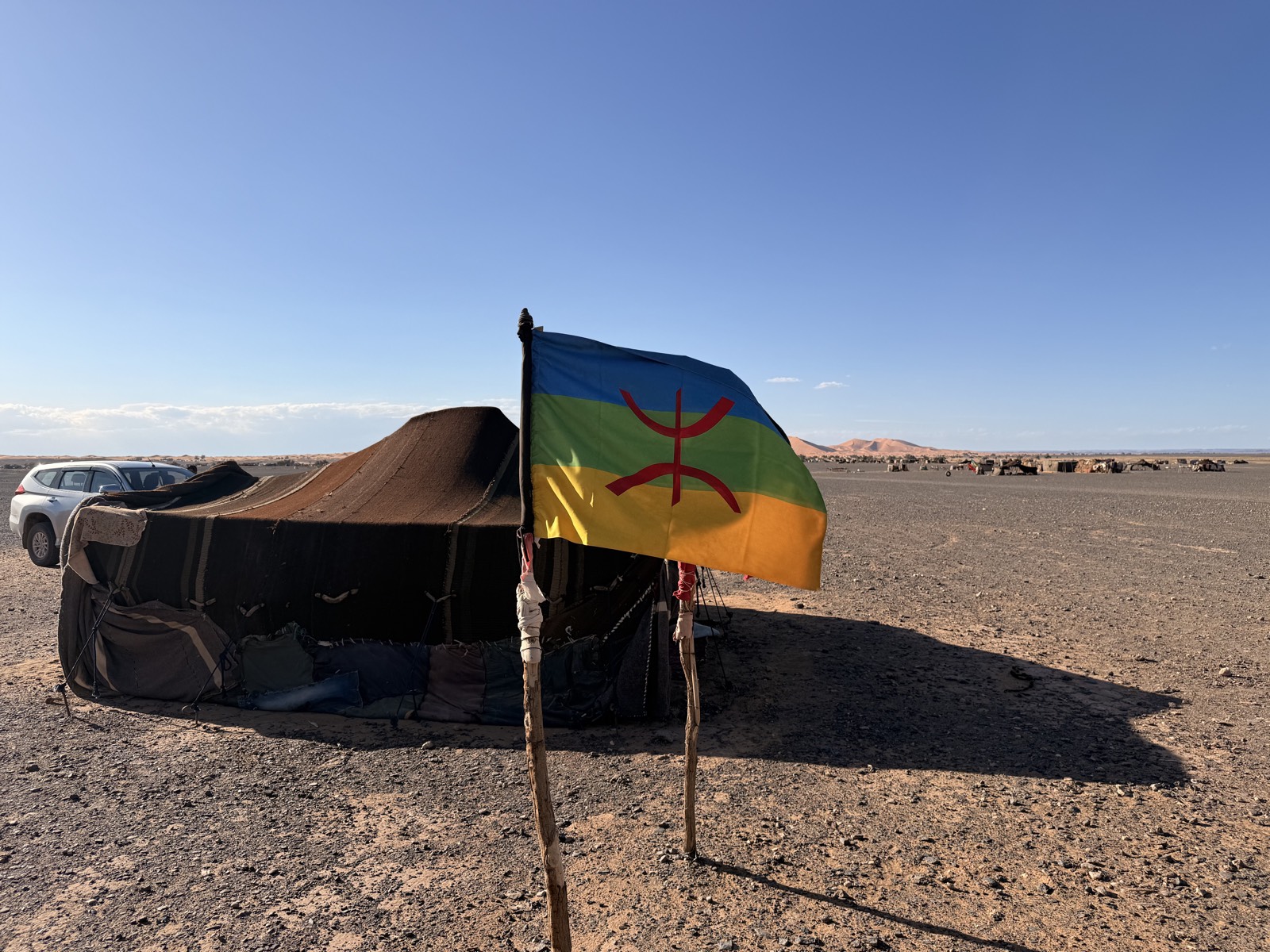
We stopped at a nomad's tent on the edge of the desert. Hasan knew them. They invited us in, made tea over a clay oven, and we sat for a while. A Berber flag flew outside. A solar panel leaned against the wall. That was it — their whole life in the middle of nothing.
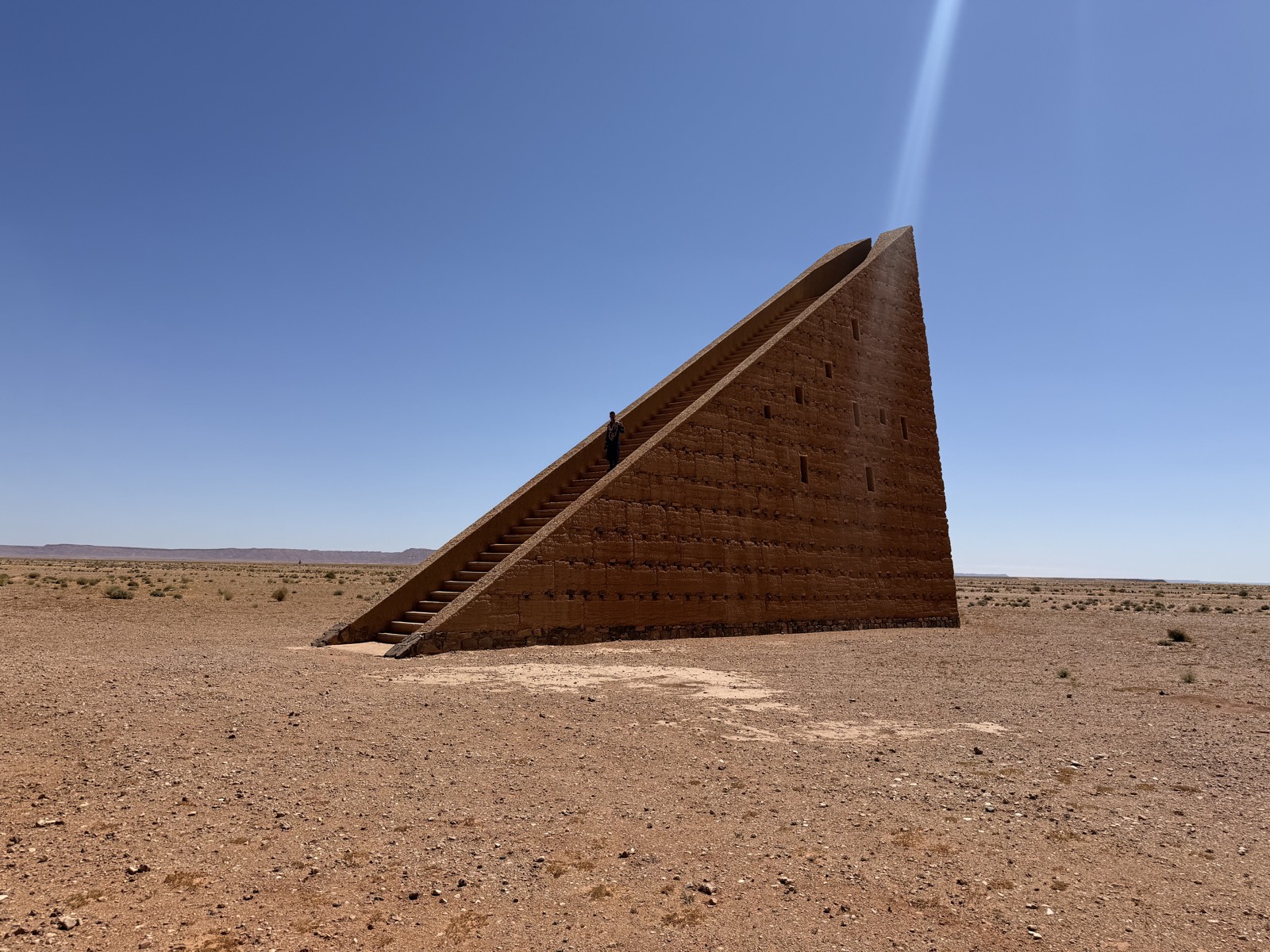
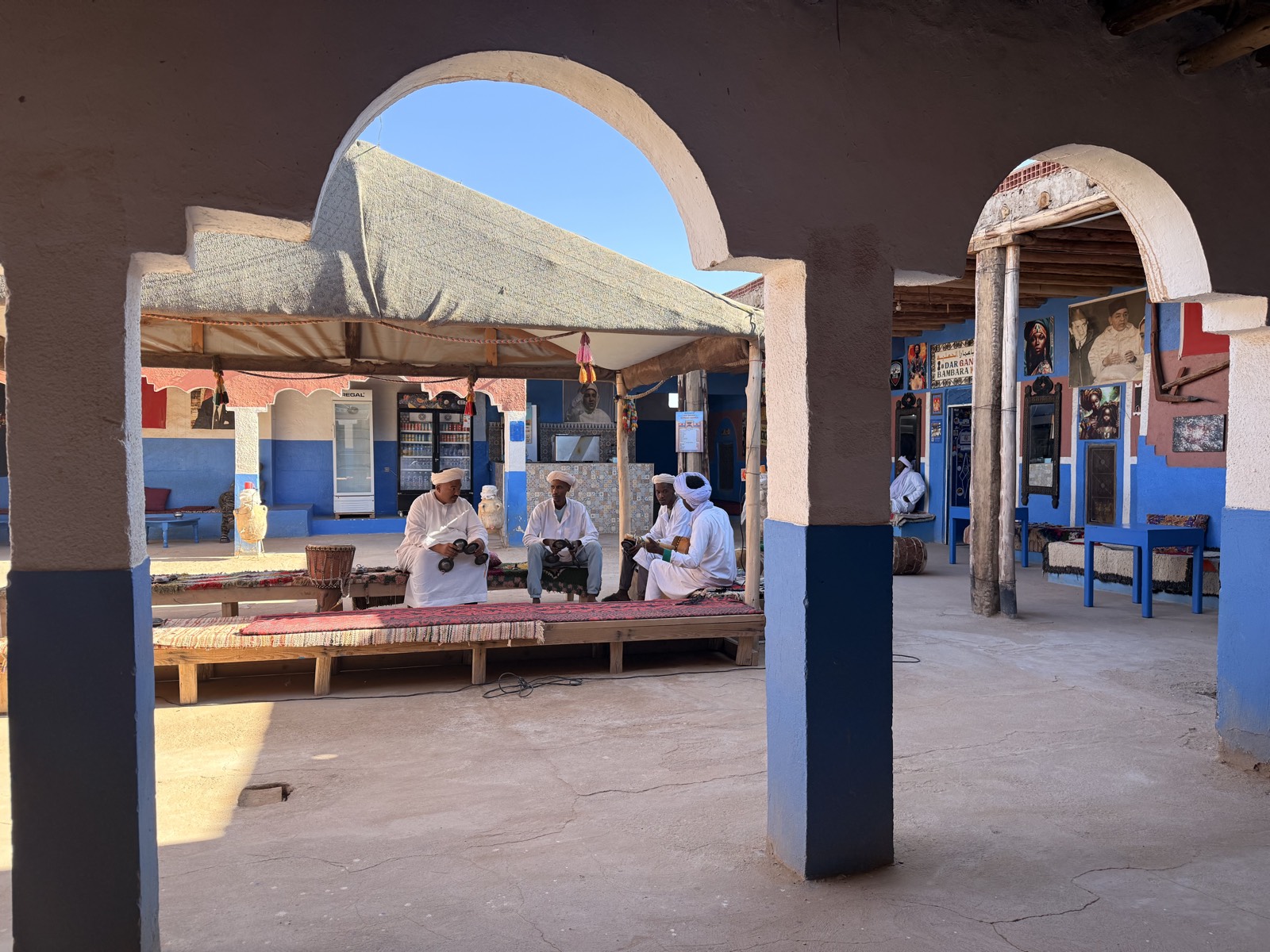
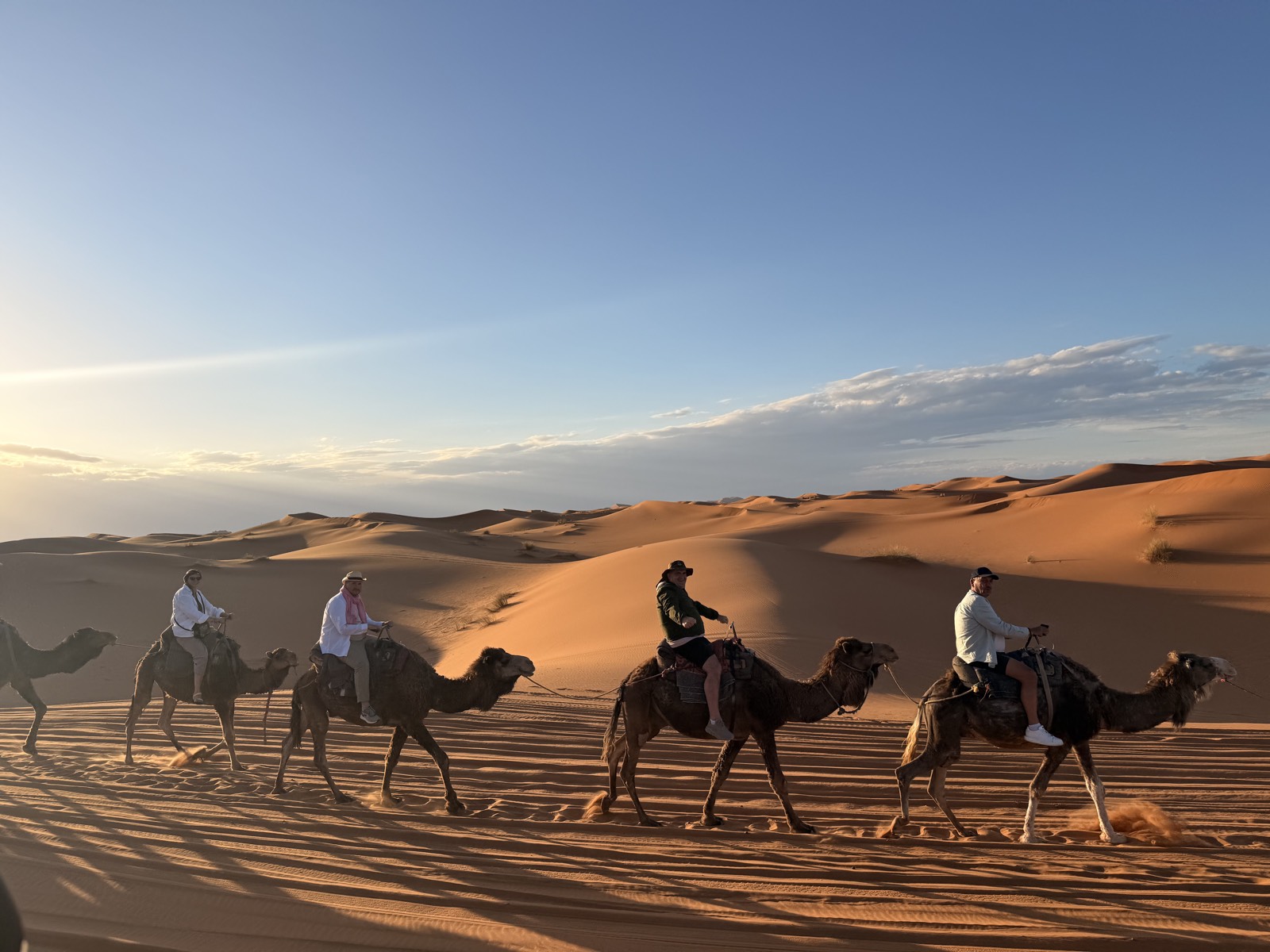
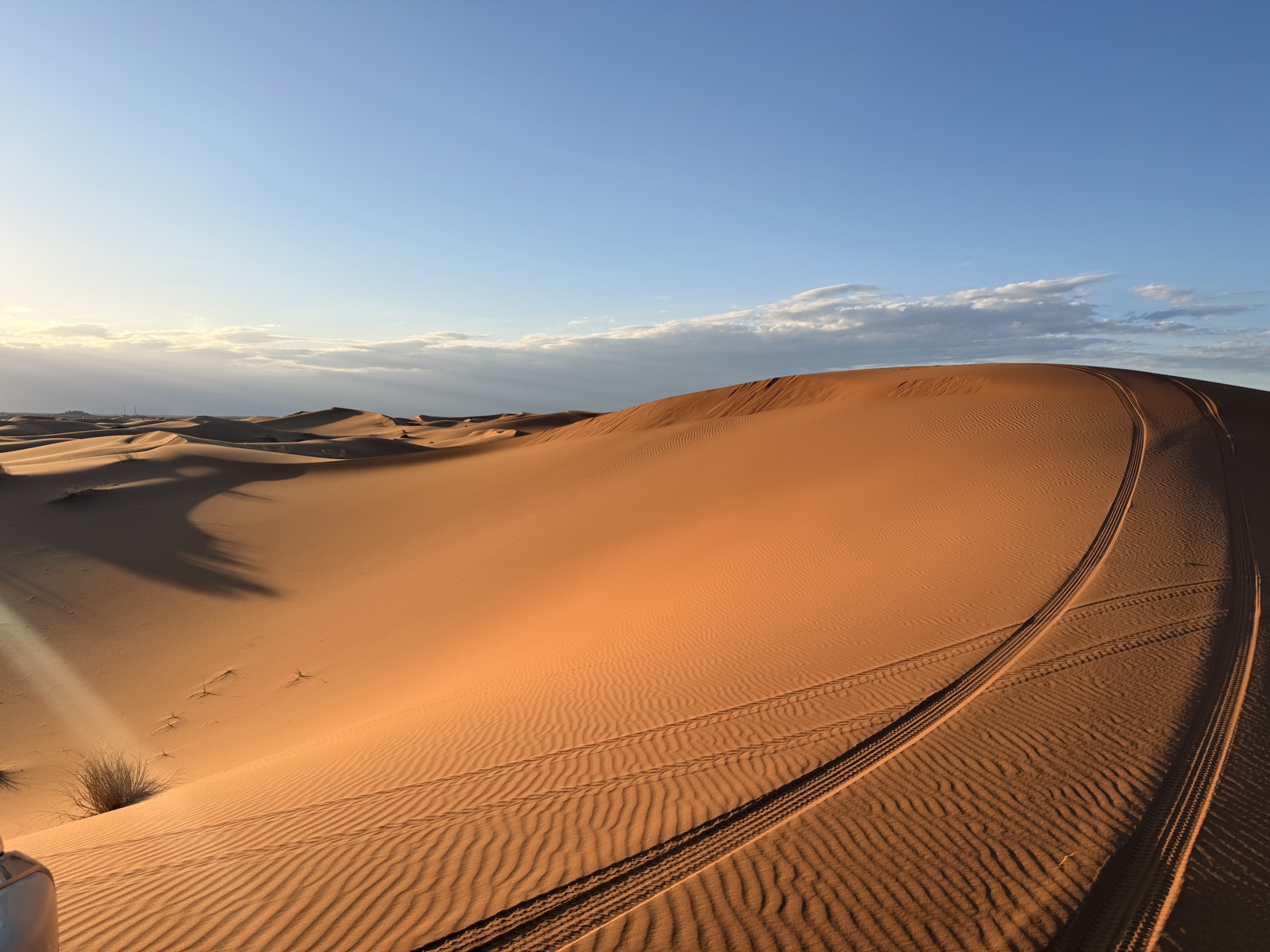
I left the bike and took a 4x4 into the dunes. It was the closest I have come to a landscape that did not feel real.
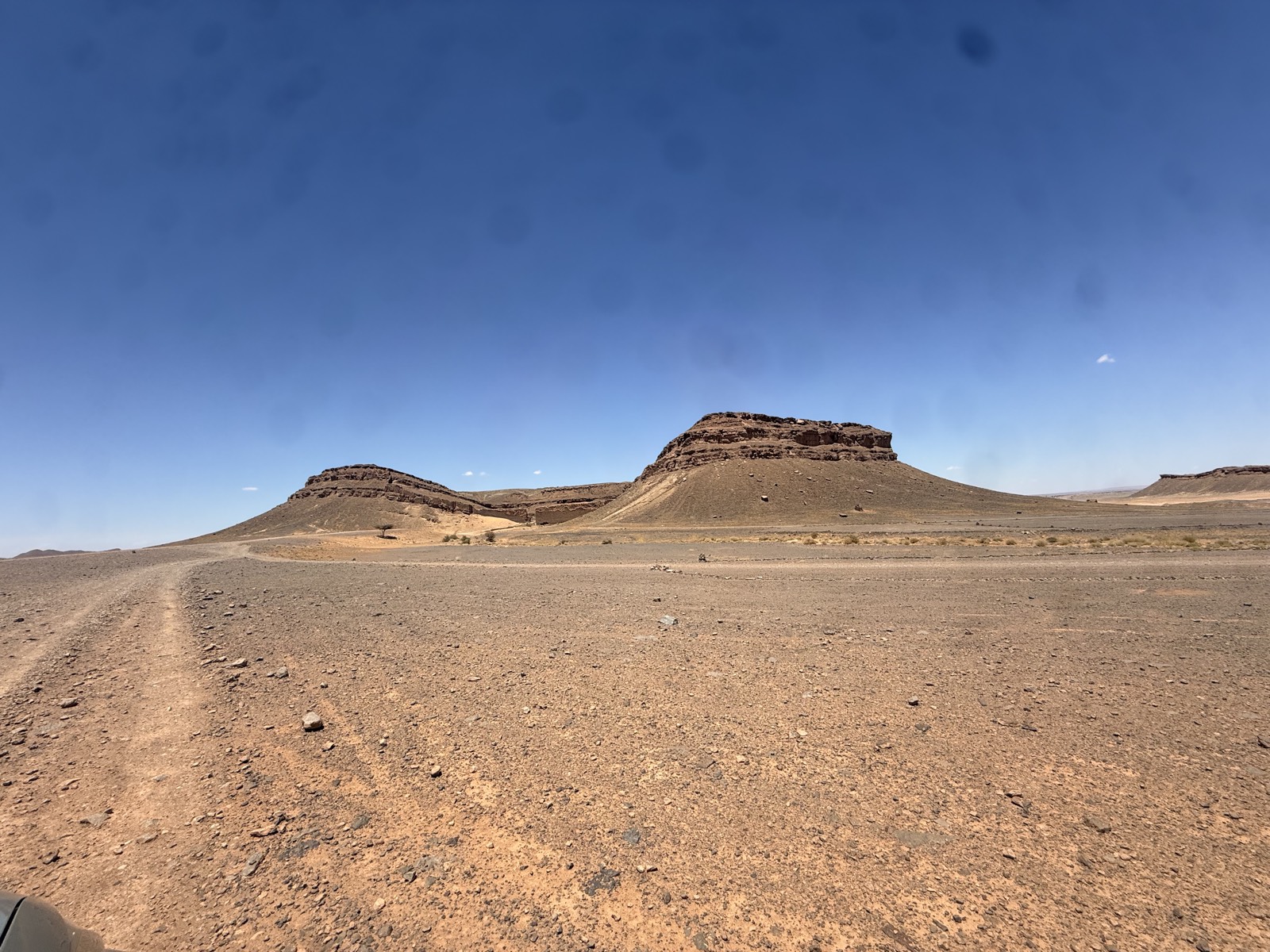
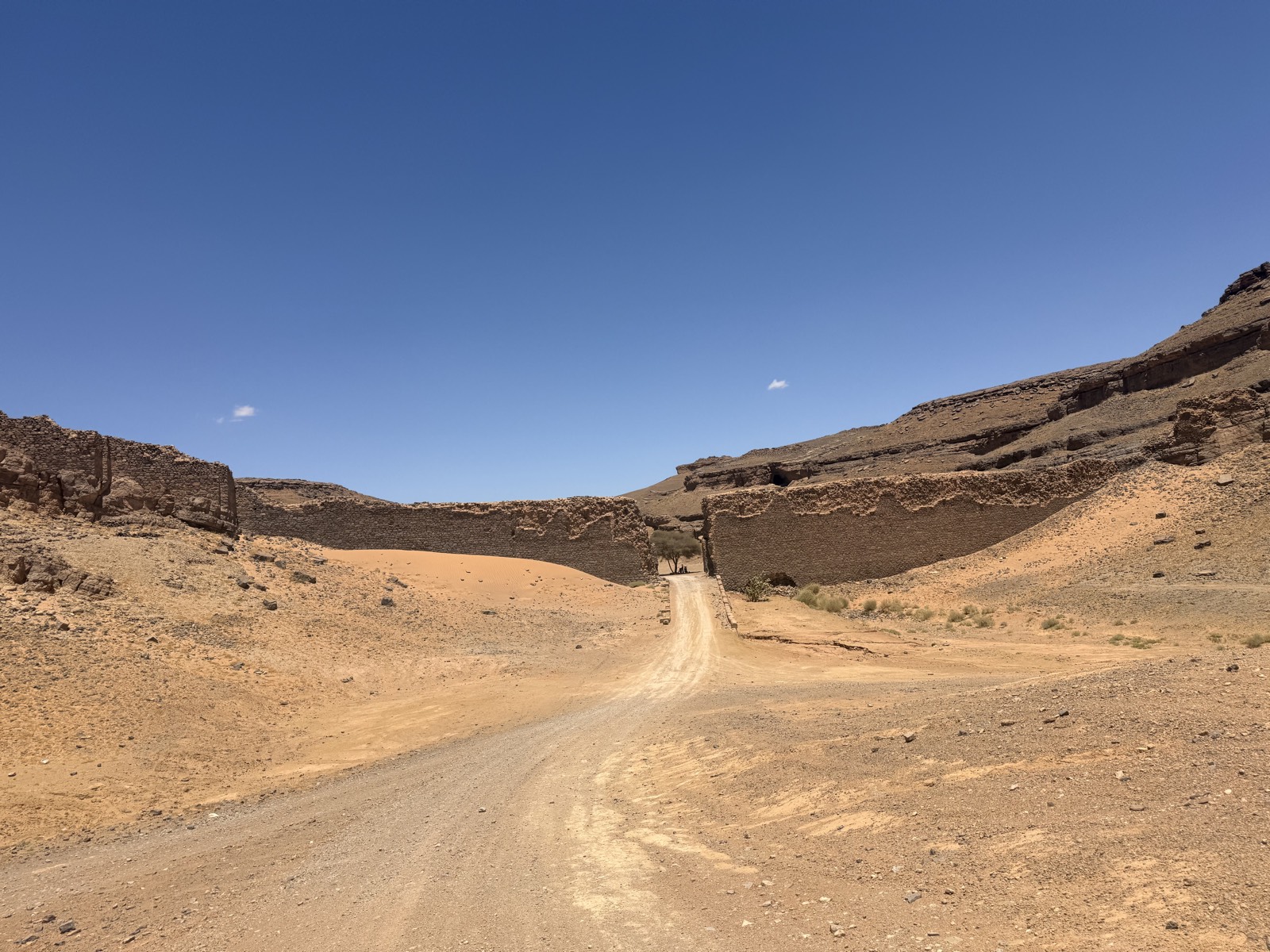
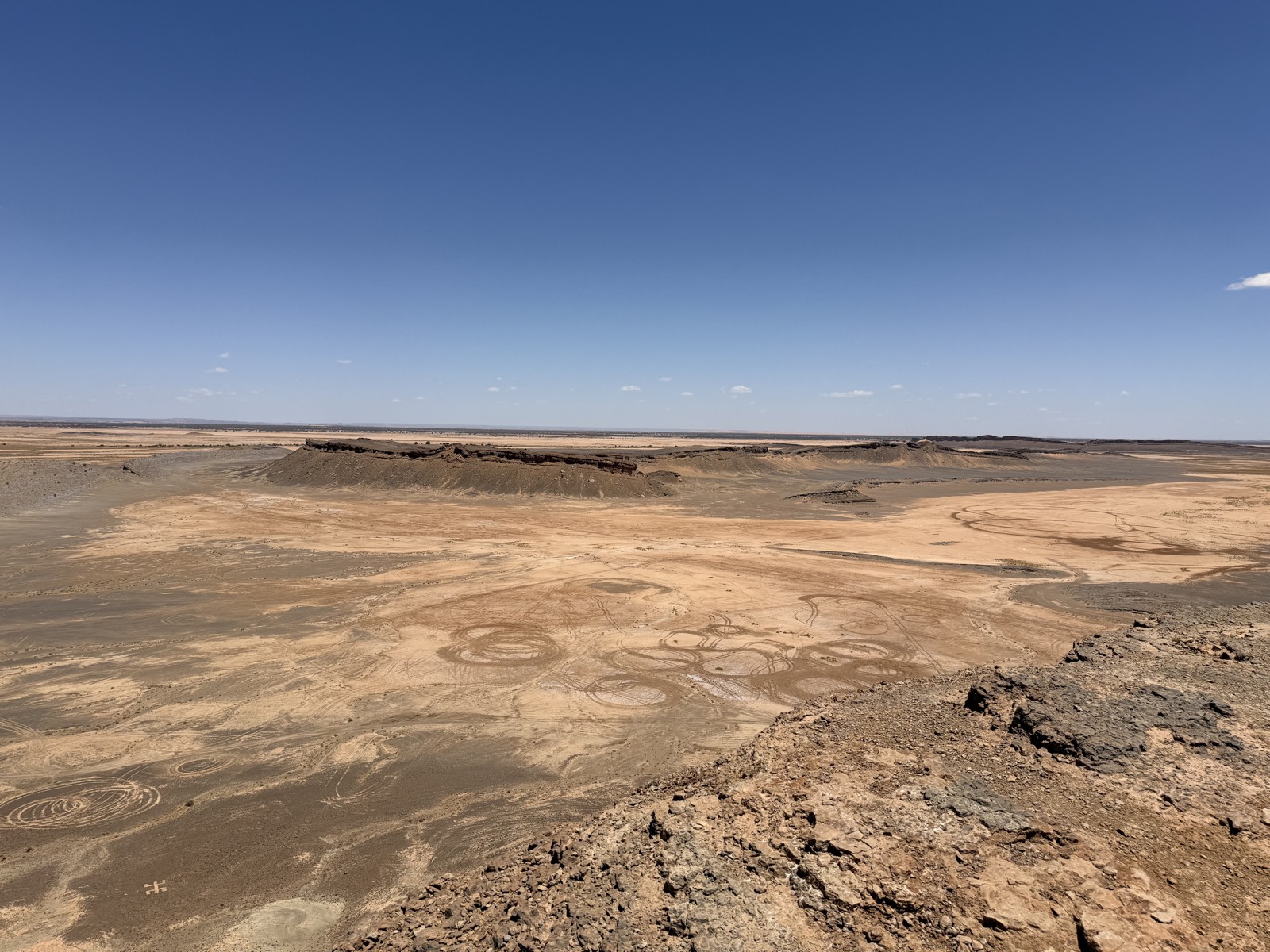
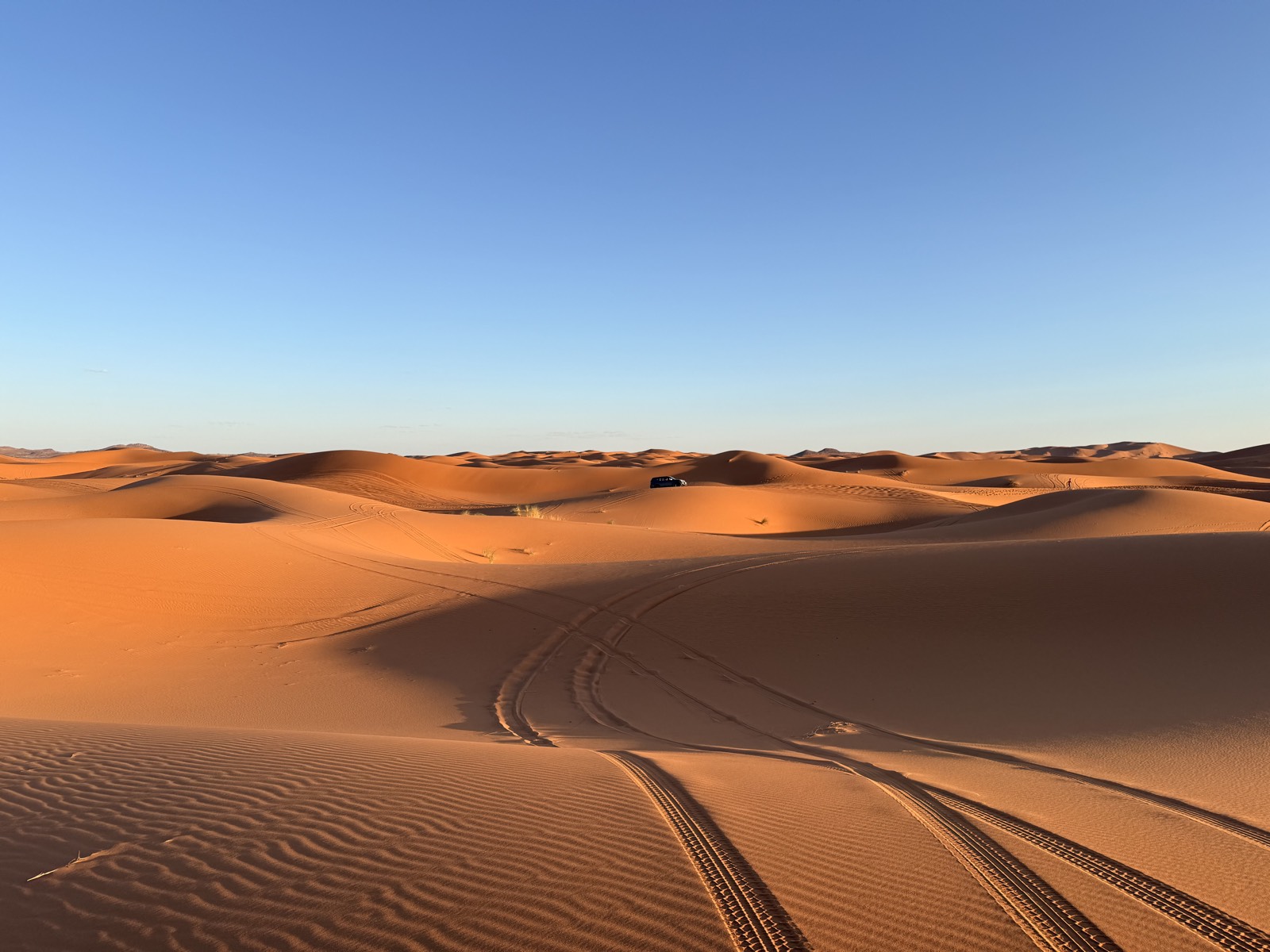
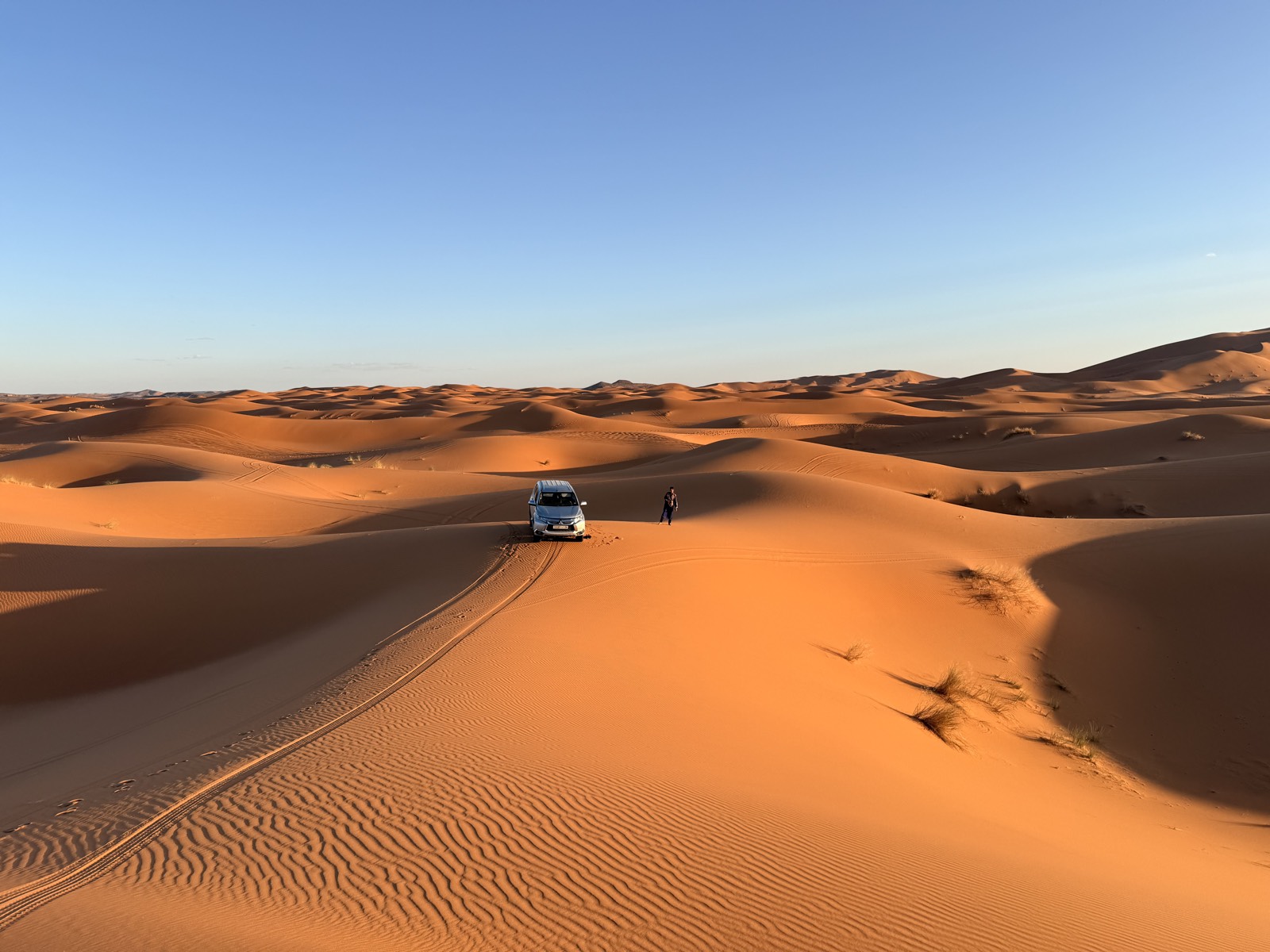
I came back and rode part of the Trans-Morocco Trail for two days on the GS, which on a loaded heavy adventure bike is scary and lonely but also some of the best riding I have ever done. The High Atlas is staggering.
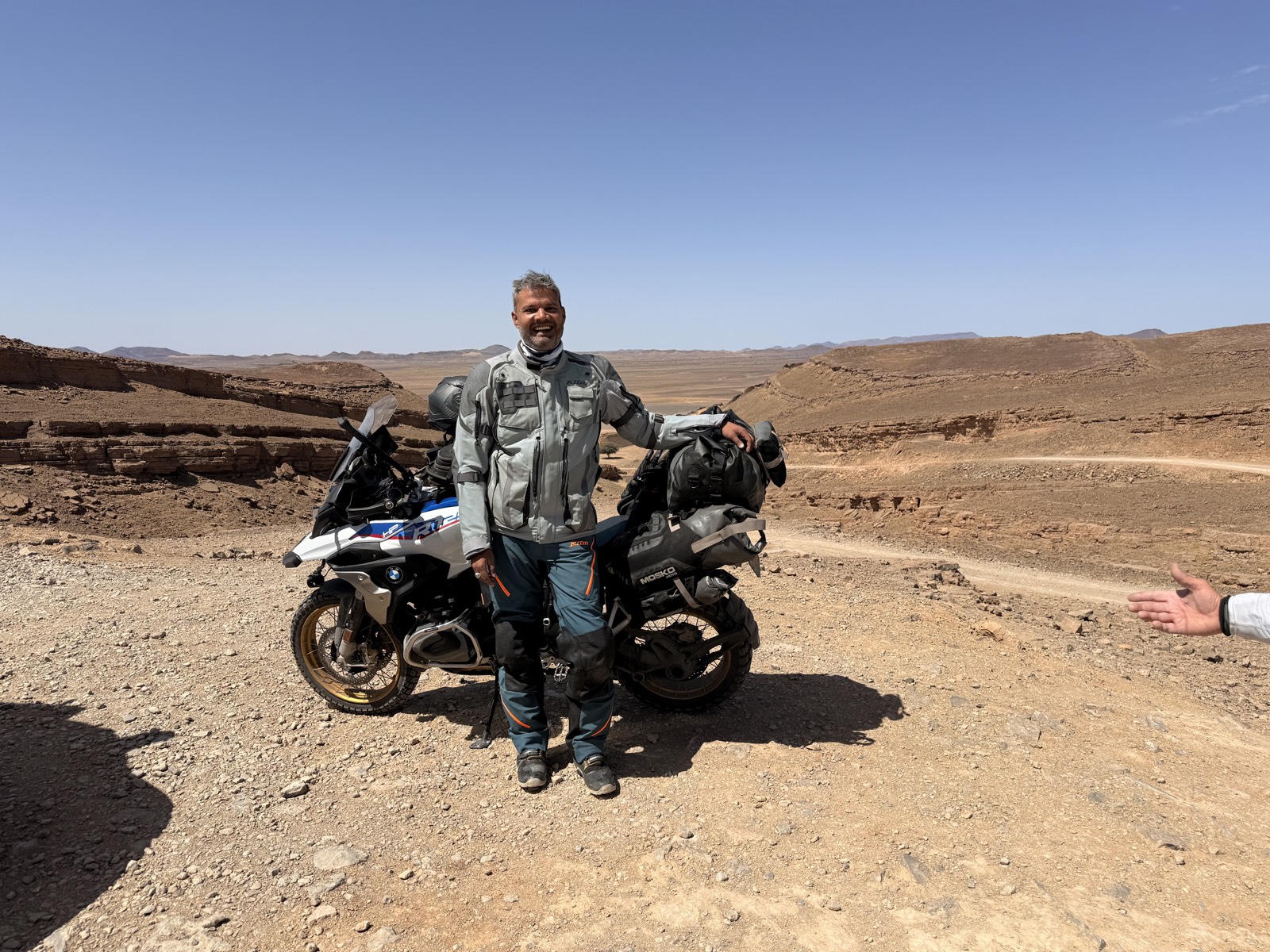
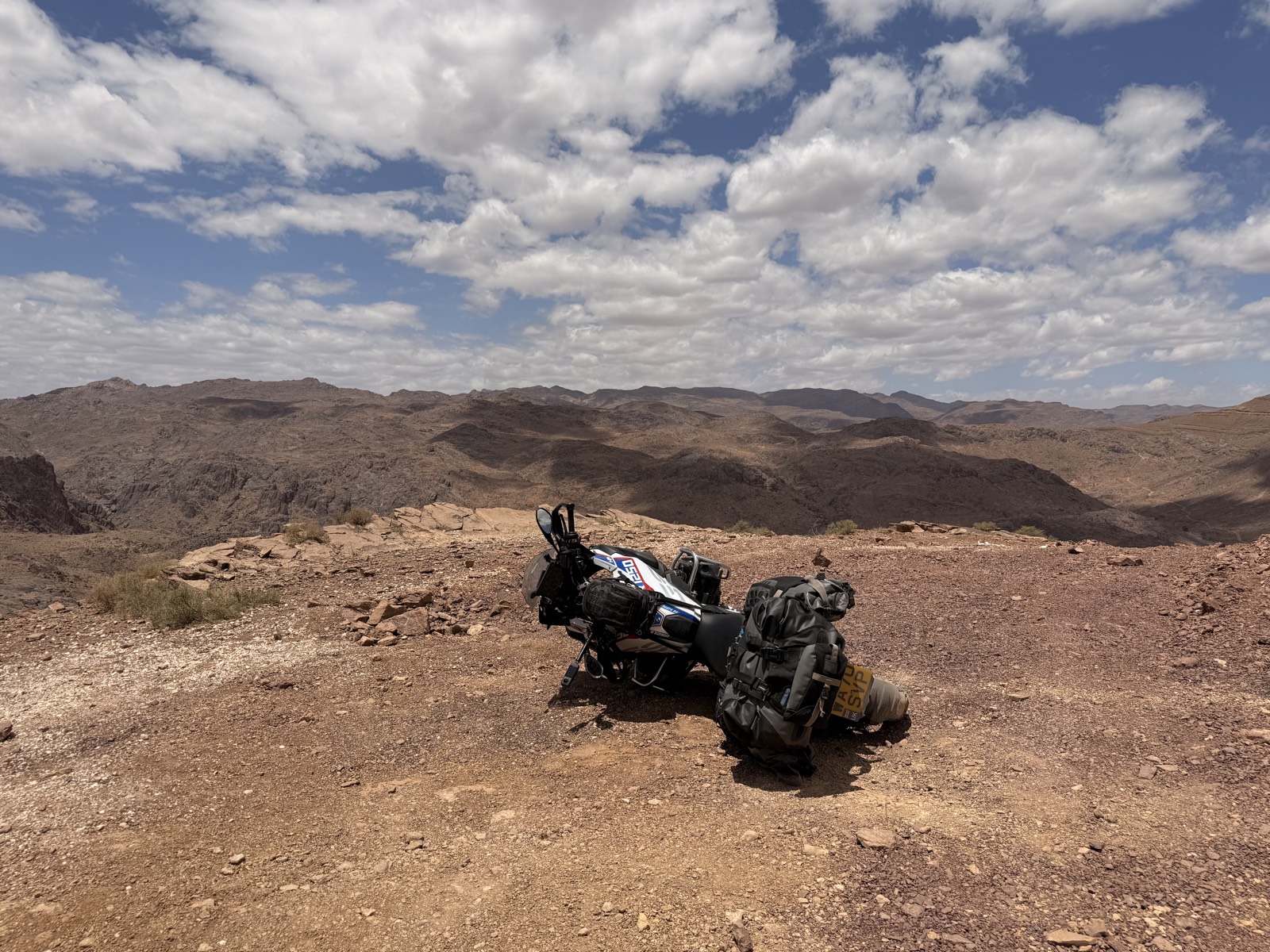
From there I planned to ride the Tizi n'Tichka, one of the great motorcycle roads, down to Marrakesh. I stopped overnight in an Airbnb that turned out to be Kasbah Tifoultoute. It was run down. The hosts were warm. The food gave me two days of hard food poisoning.
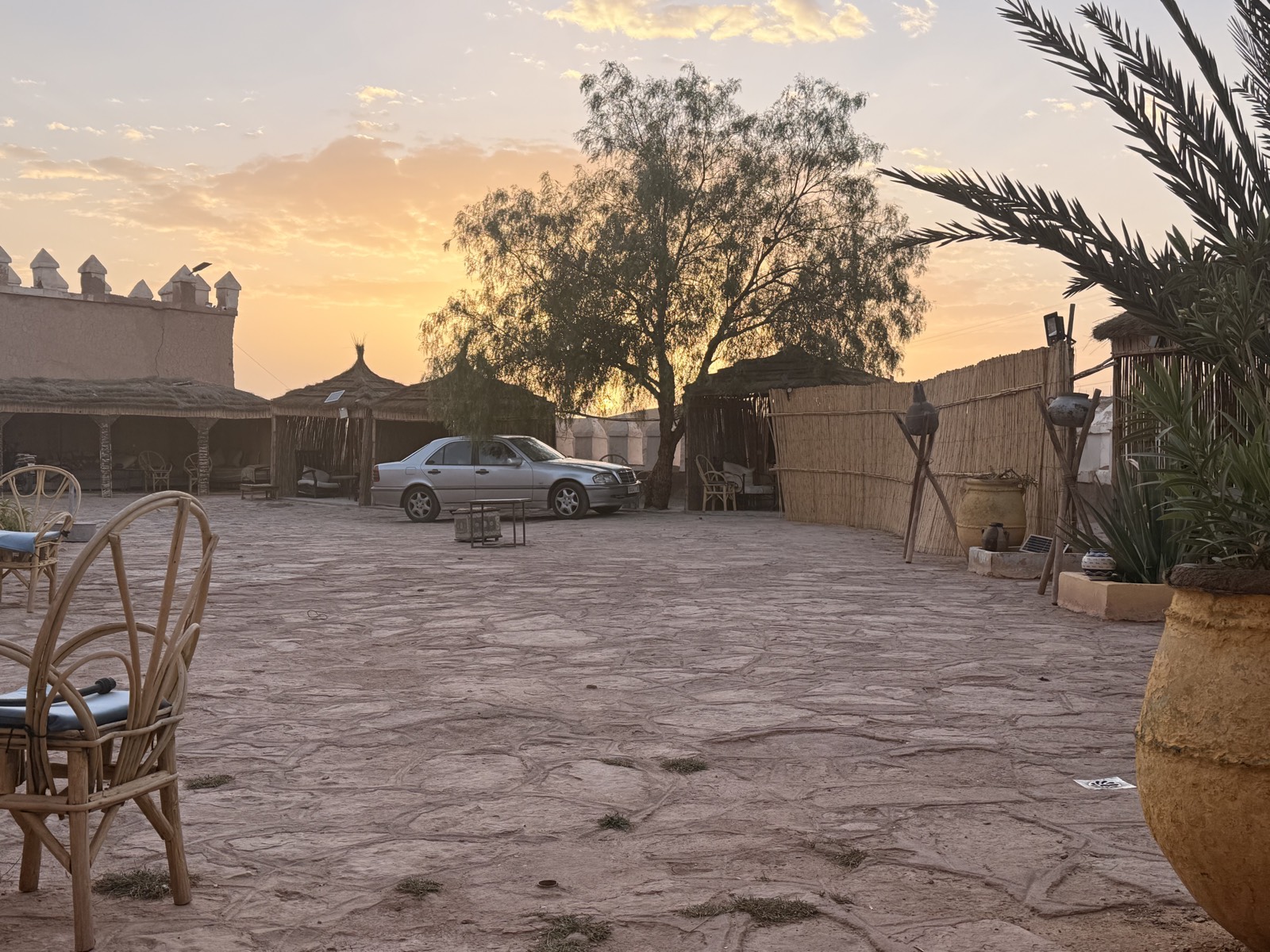
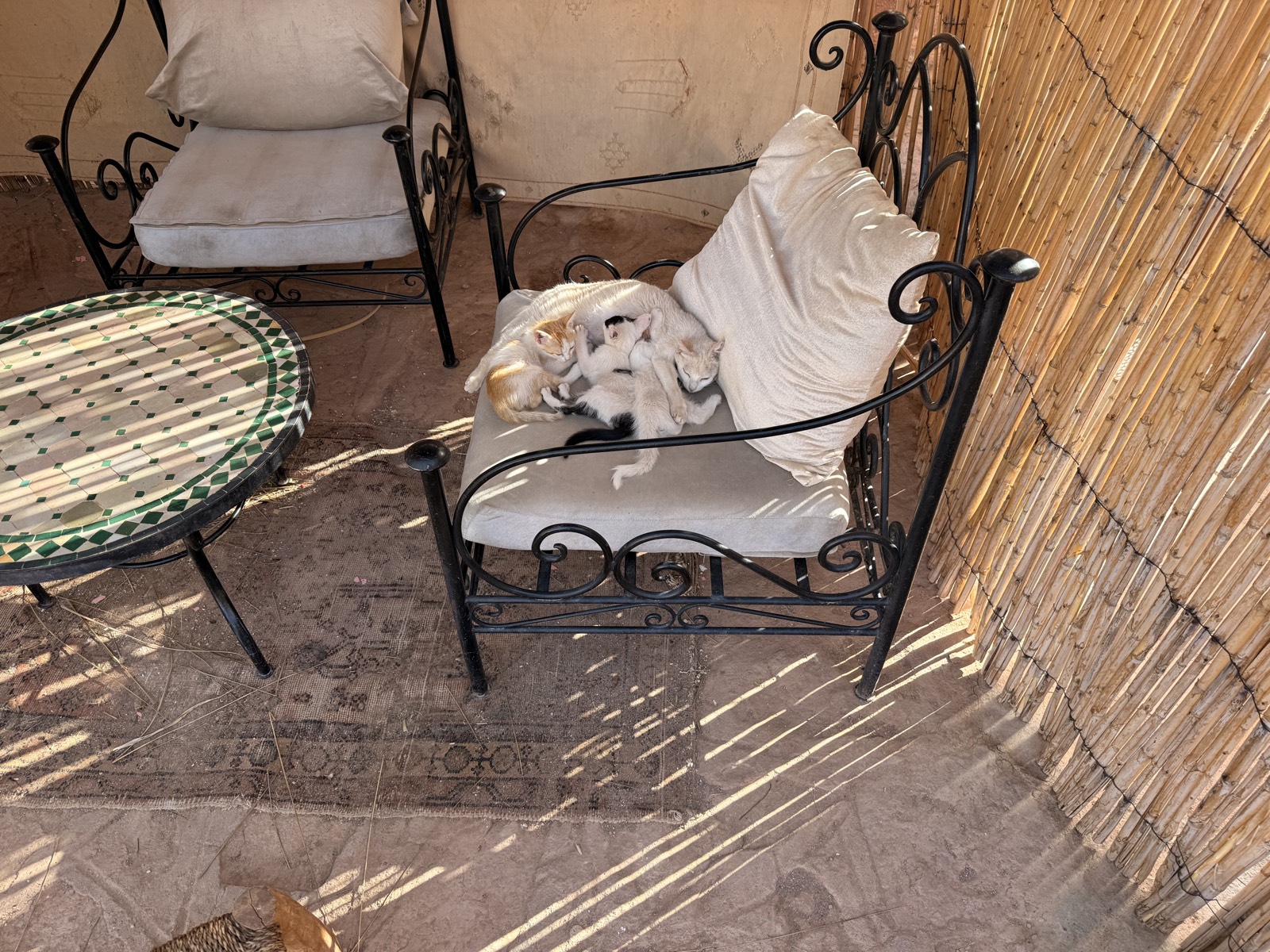
One planned night became two. I then rode Tizi n'Tichka to Marrakesh and stayed in a riad for three nights to recover properly - with food I could trust!
Granada
I left Morocco after nearly ten days, rode the four hundred miles back across to Spain, and stopped in a small hostal on the way north. Hostal, I learned, is the Spanish word for something between a hotel and a hostel. Cheap, clean, secure parking, a good shower. It is what I should have been looking for from the start.
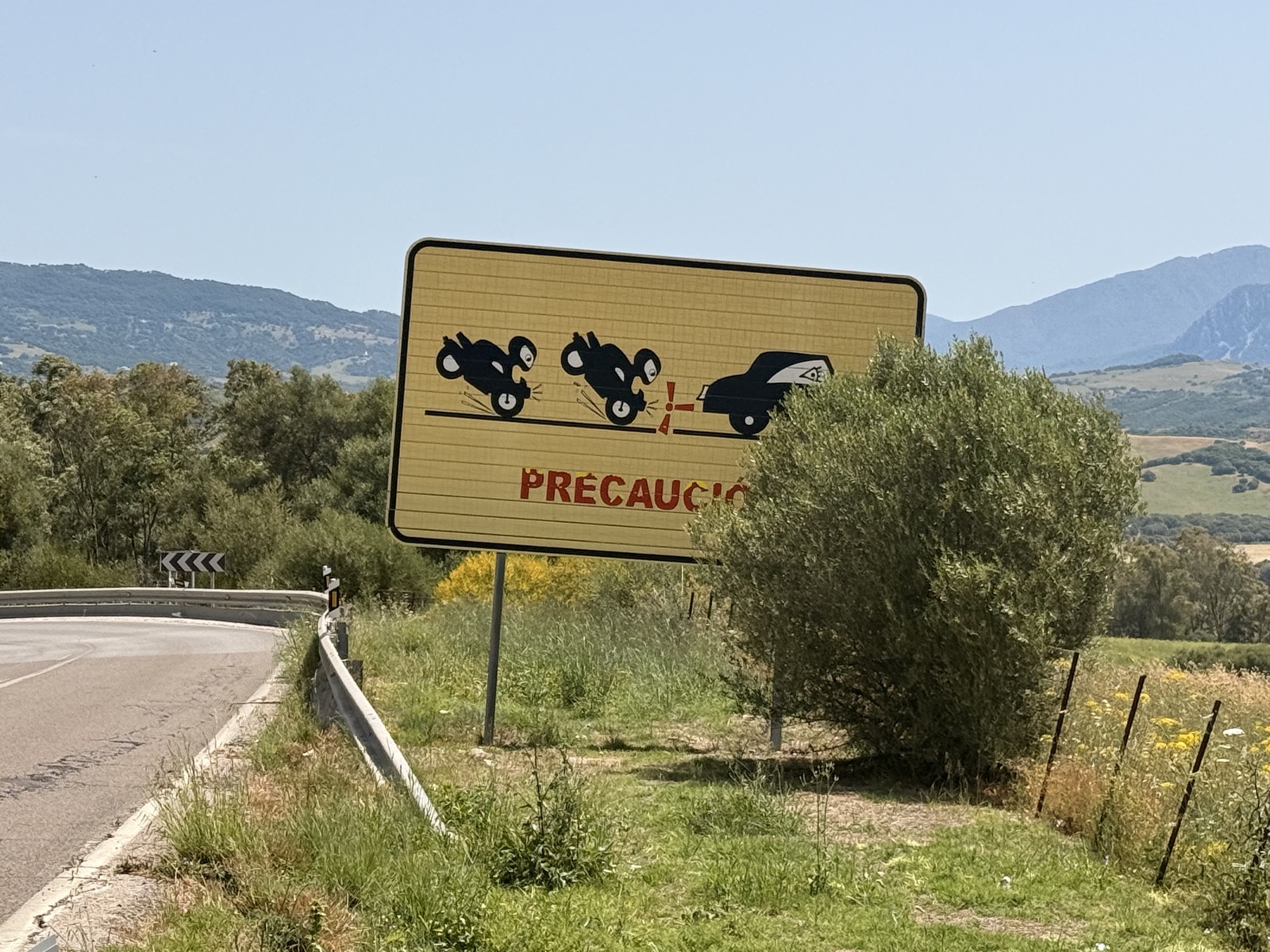
Then Granada. Granada is, so far, the most beautiful place I have been on this trip. I had not planned tickets to the Alhambra and I did not see it on this pass. I will go back for it. The city itself was enough. The light, the white walls, the mountains visible from the streets, the warm food. It reminded me of California in a way I have not felt about a European city before. Morocco felt like Spain's version of Baja. Granada felt like home in a way I did not expect.
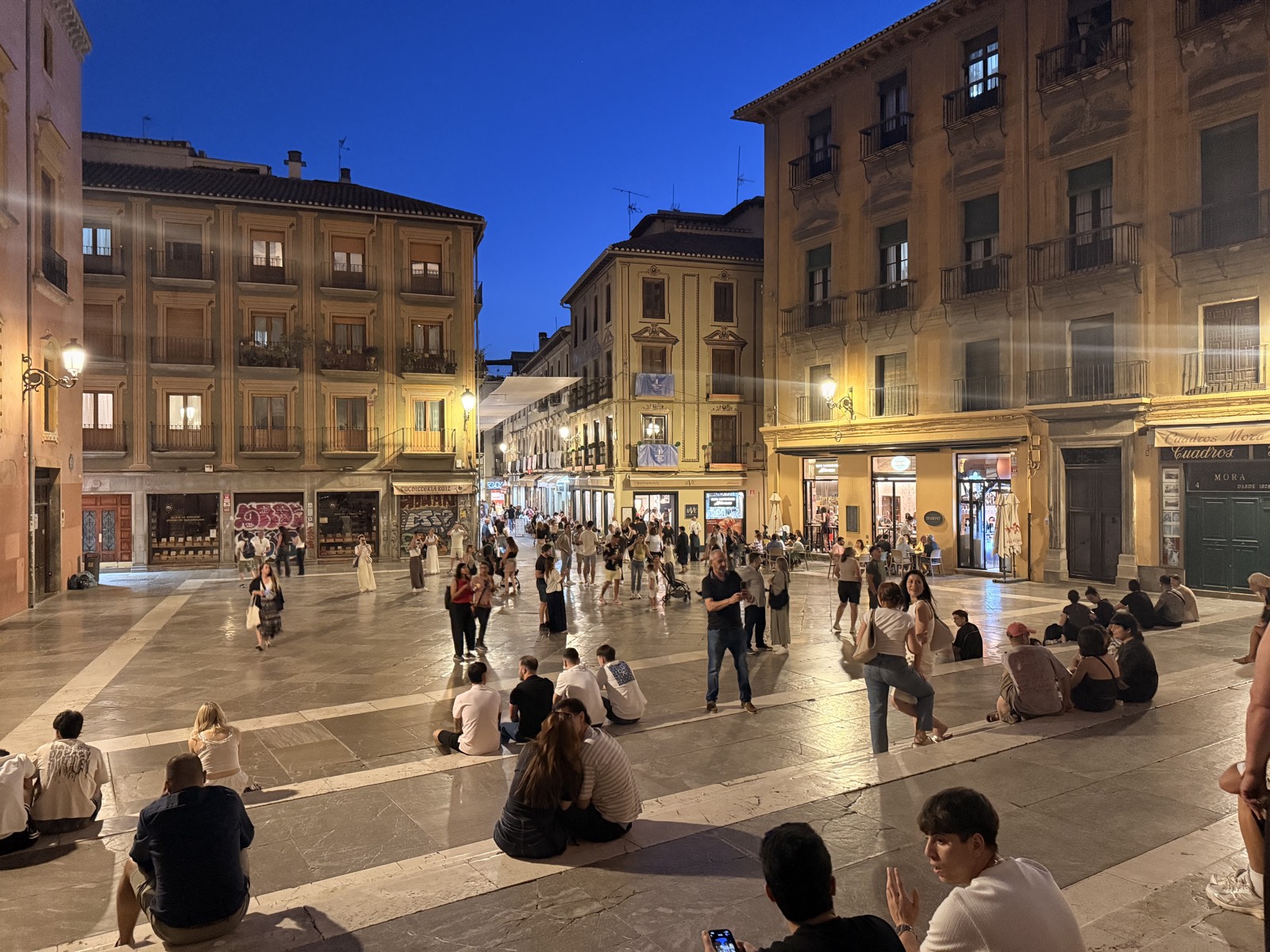
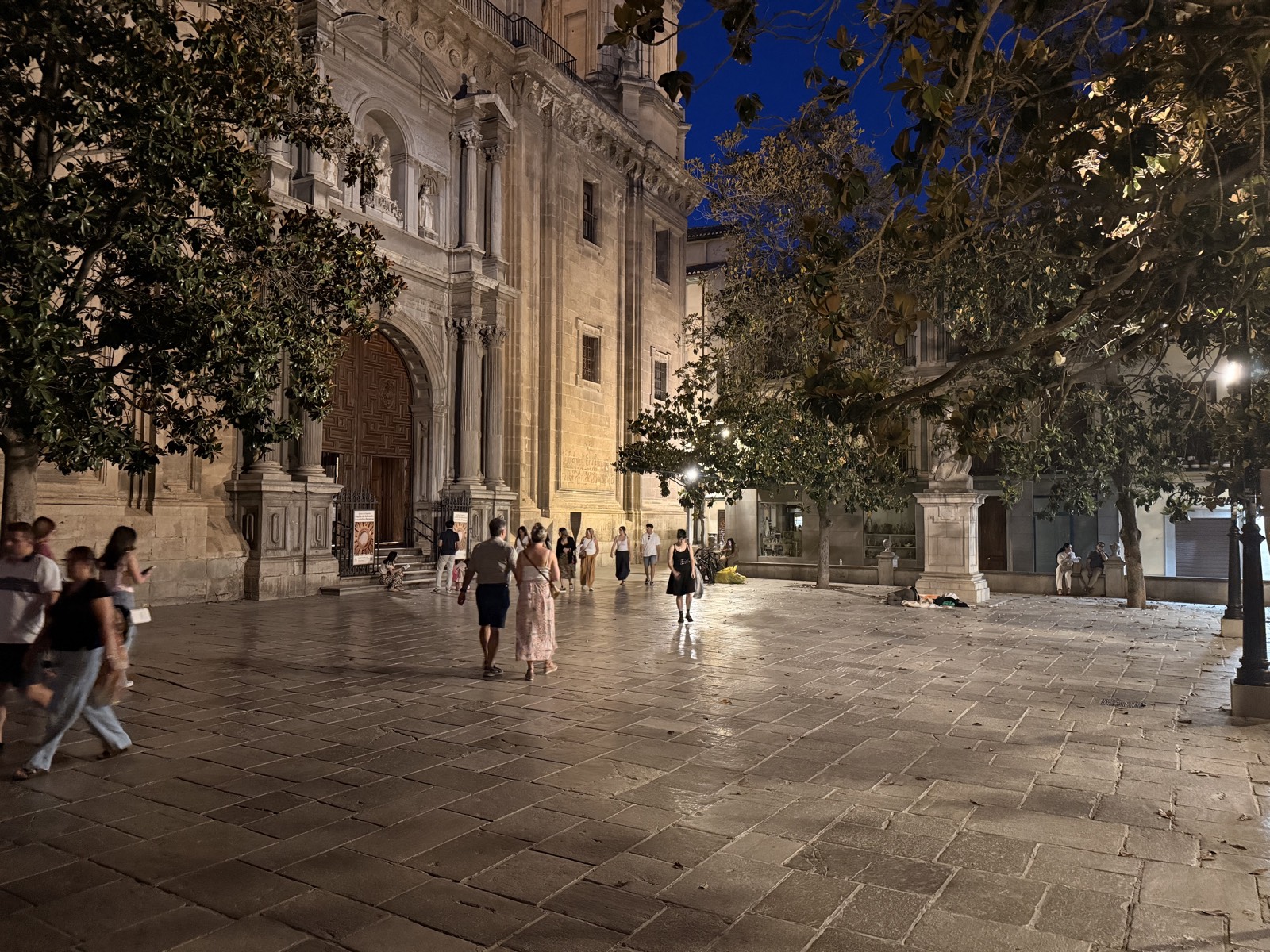
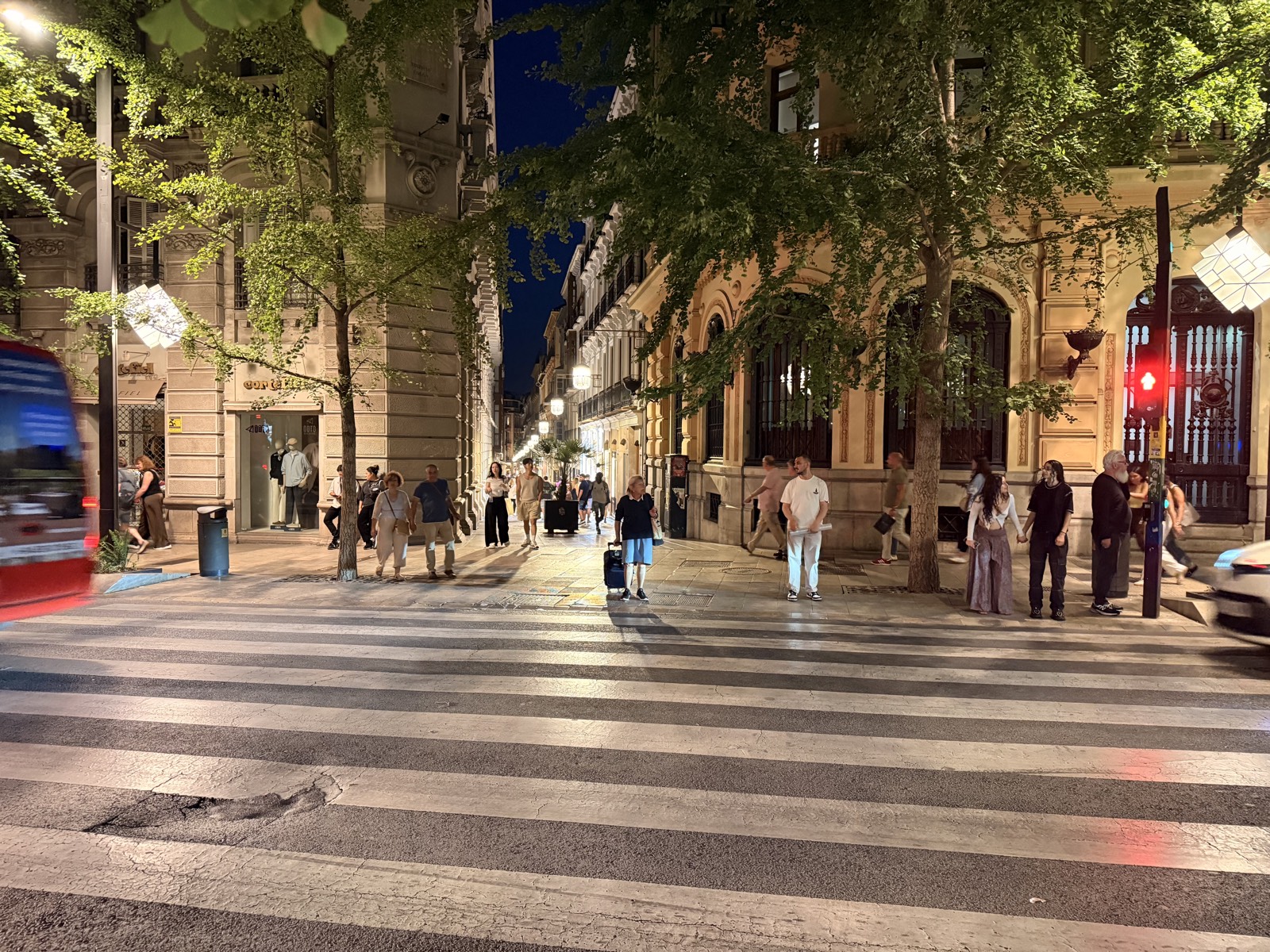
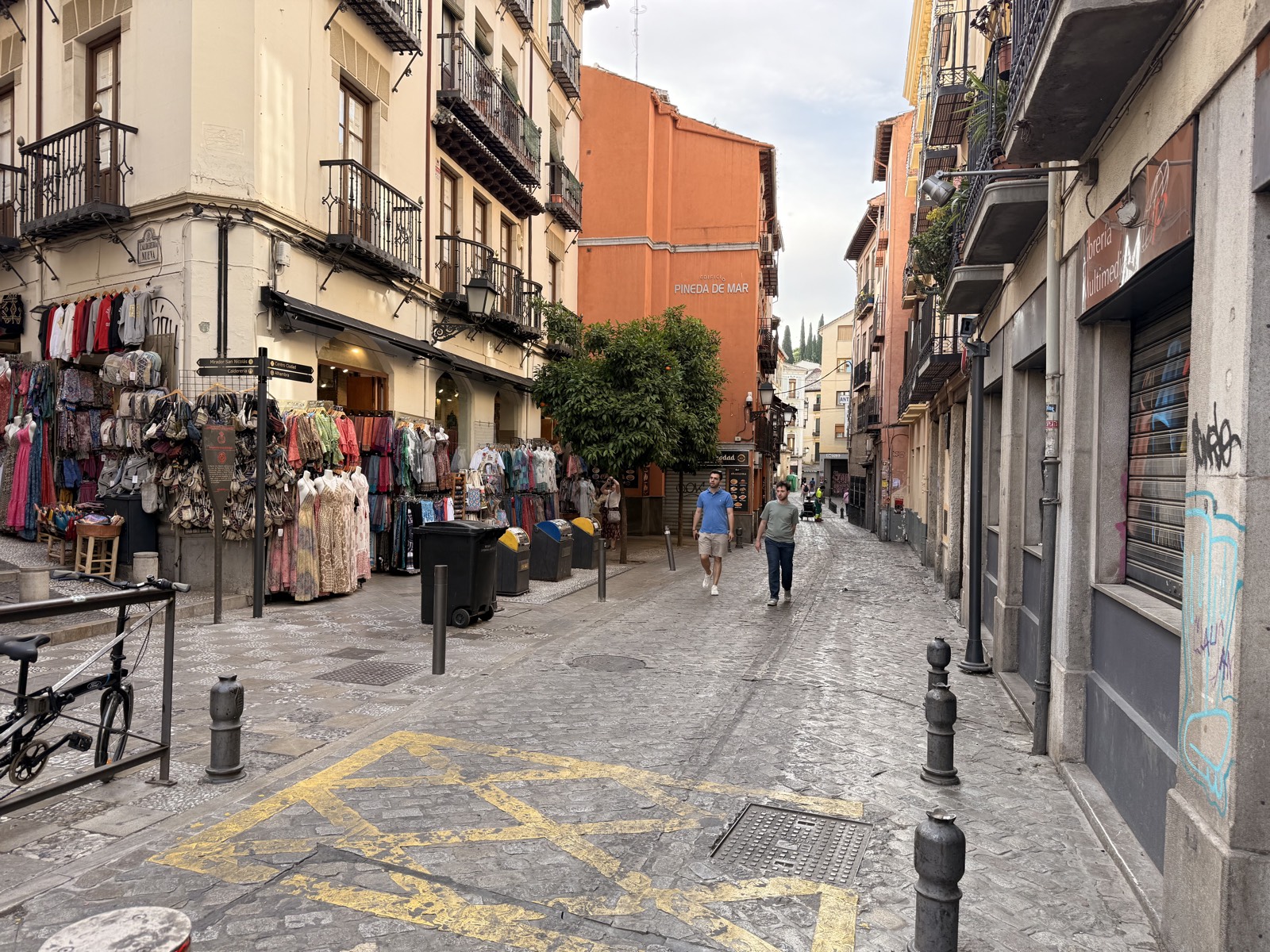
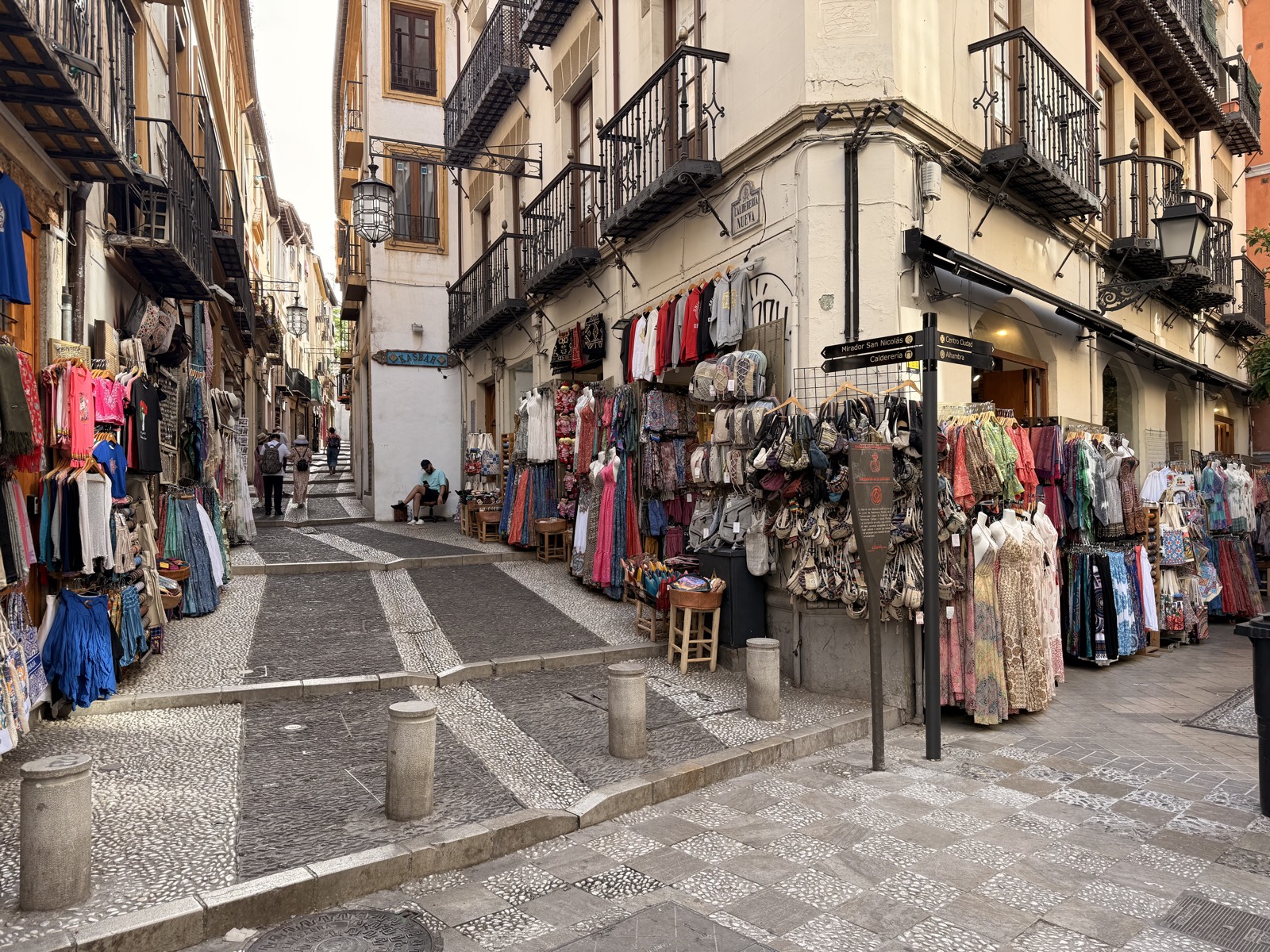
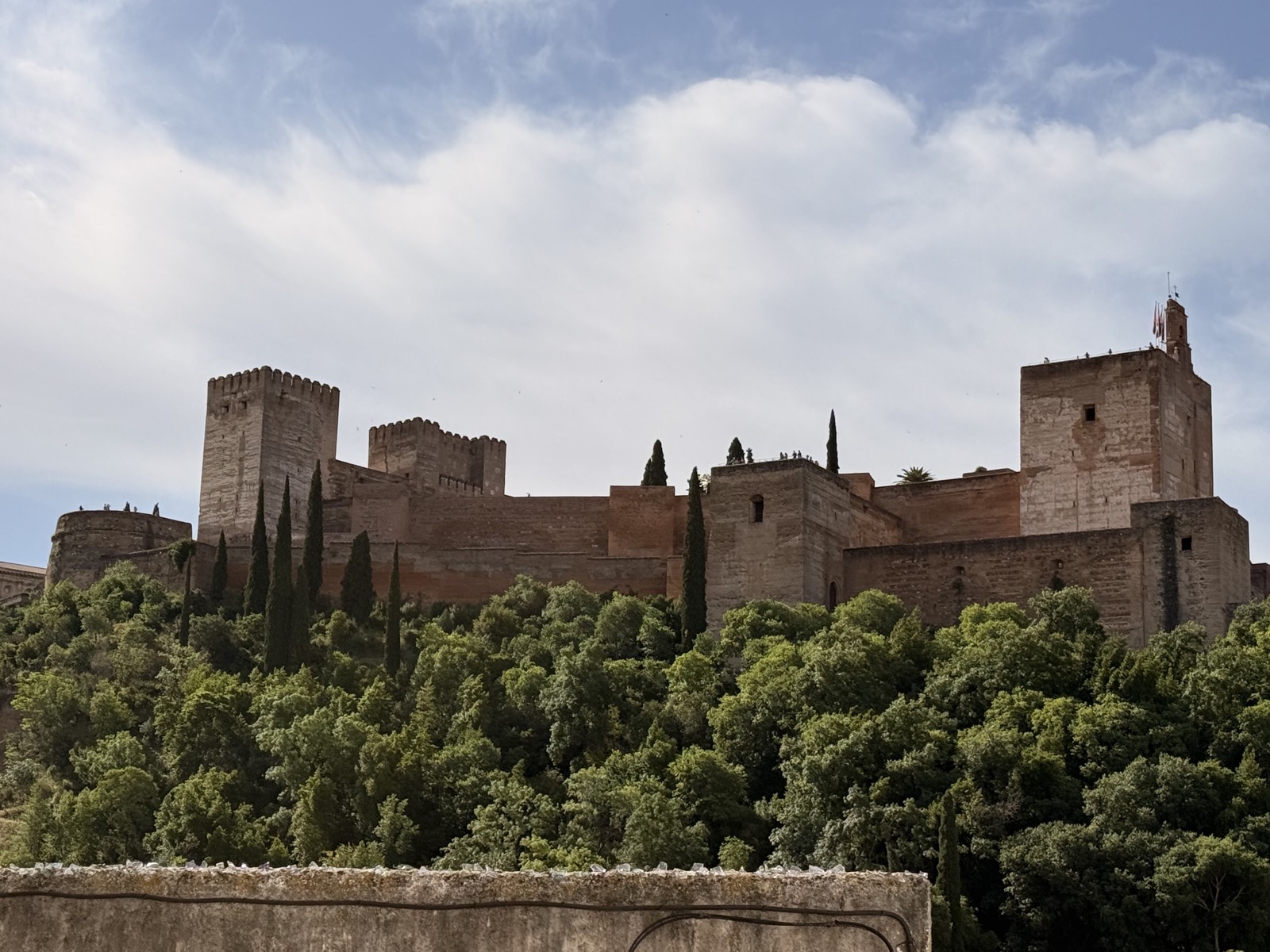
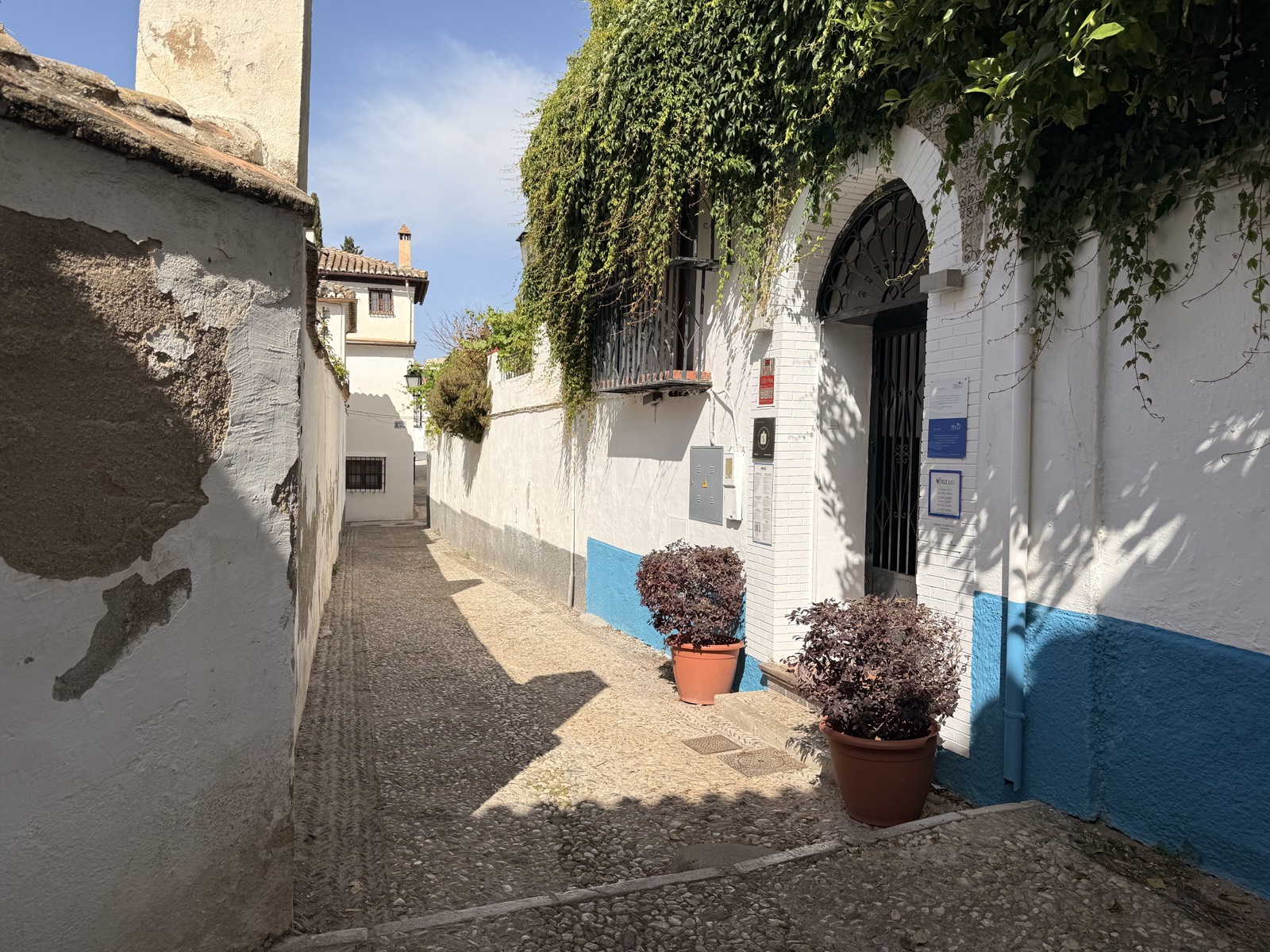
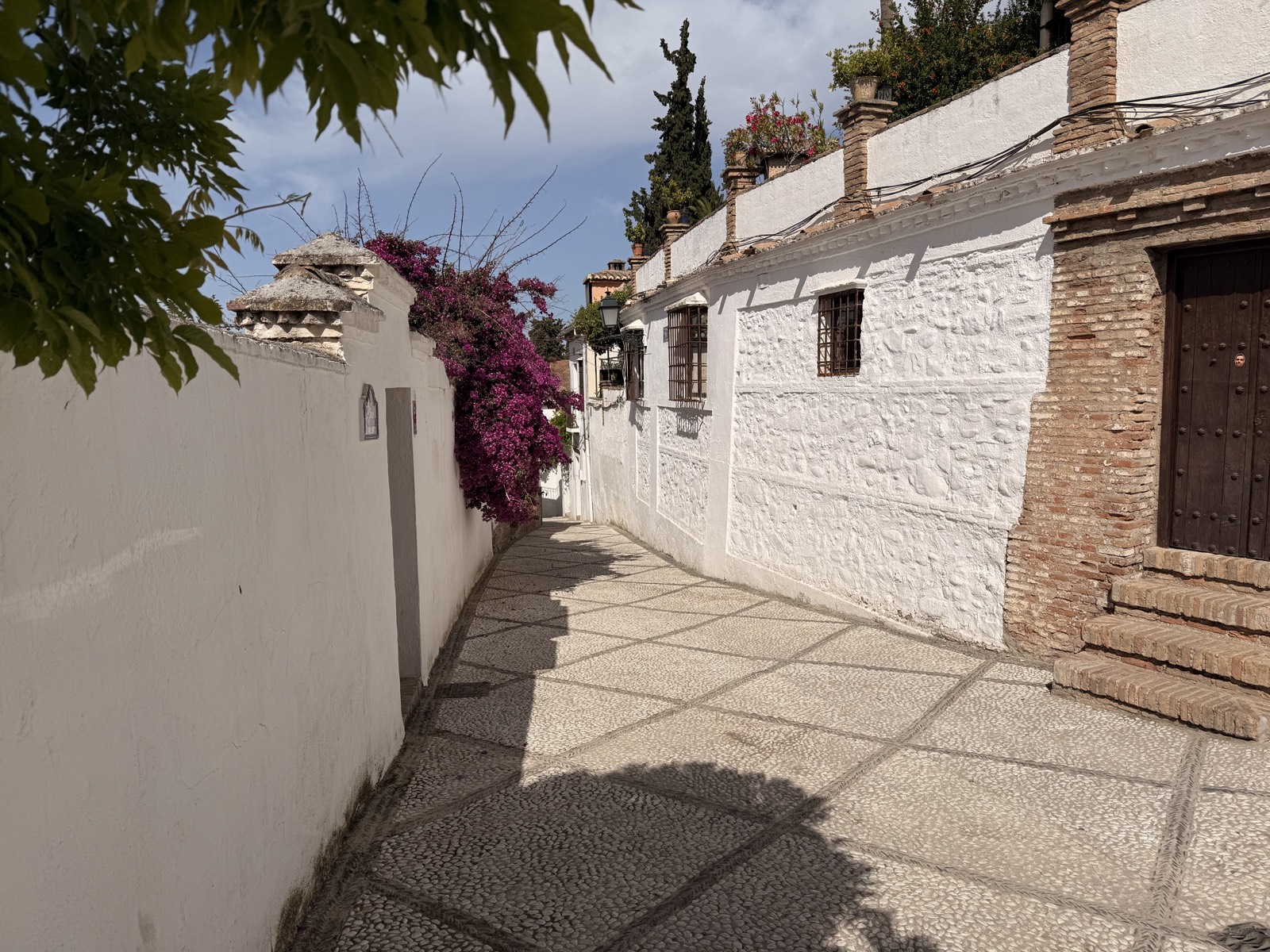
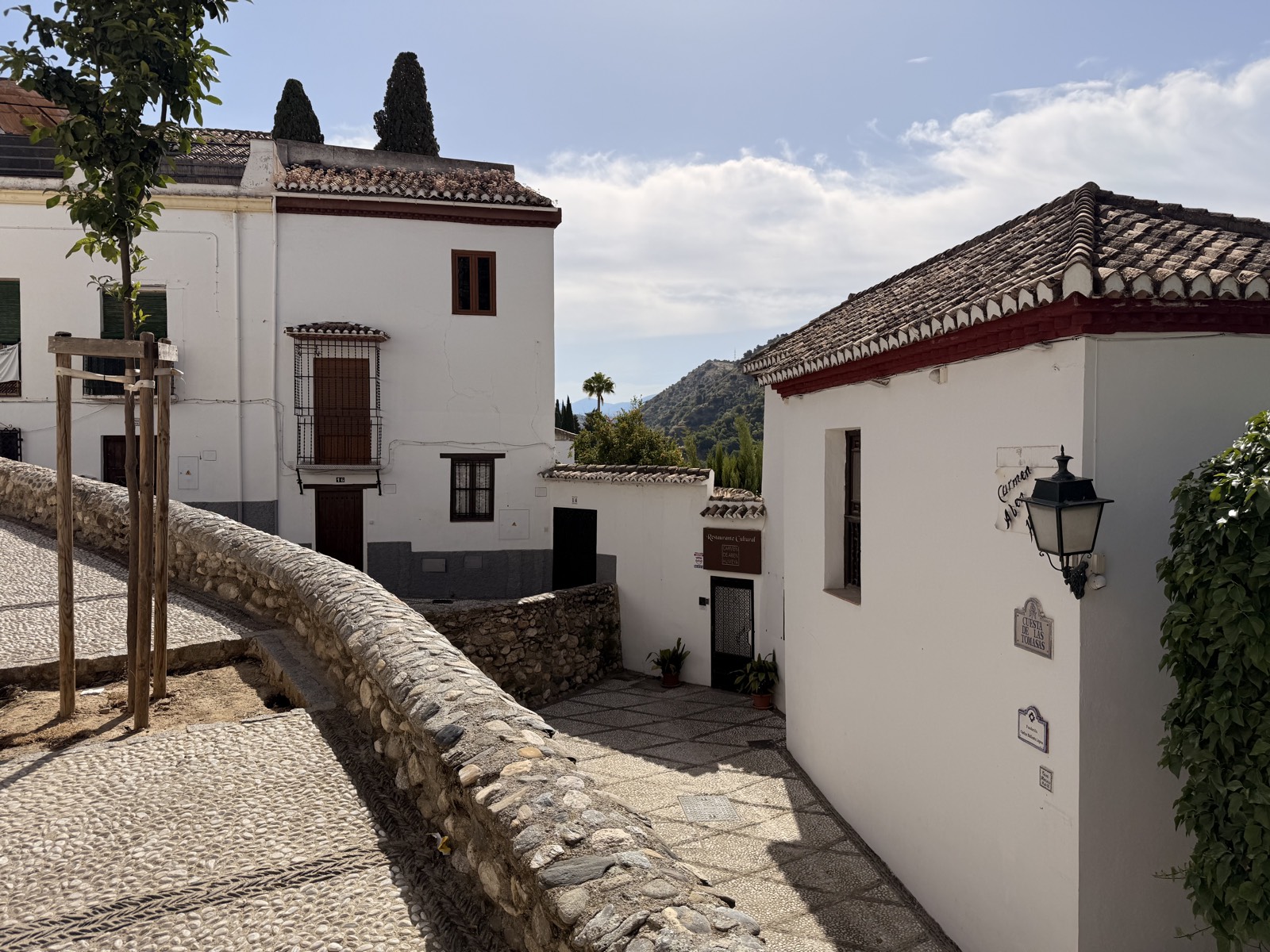
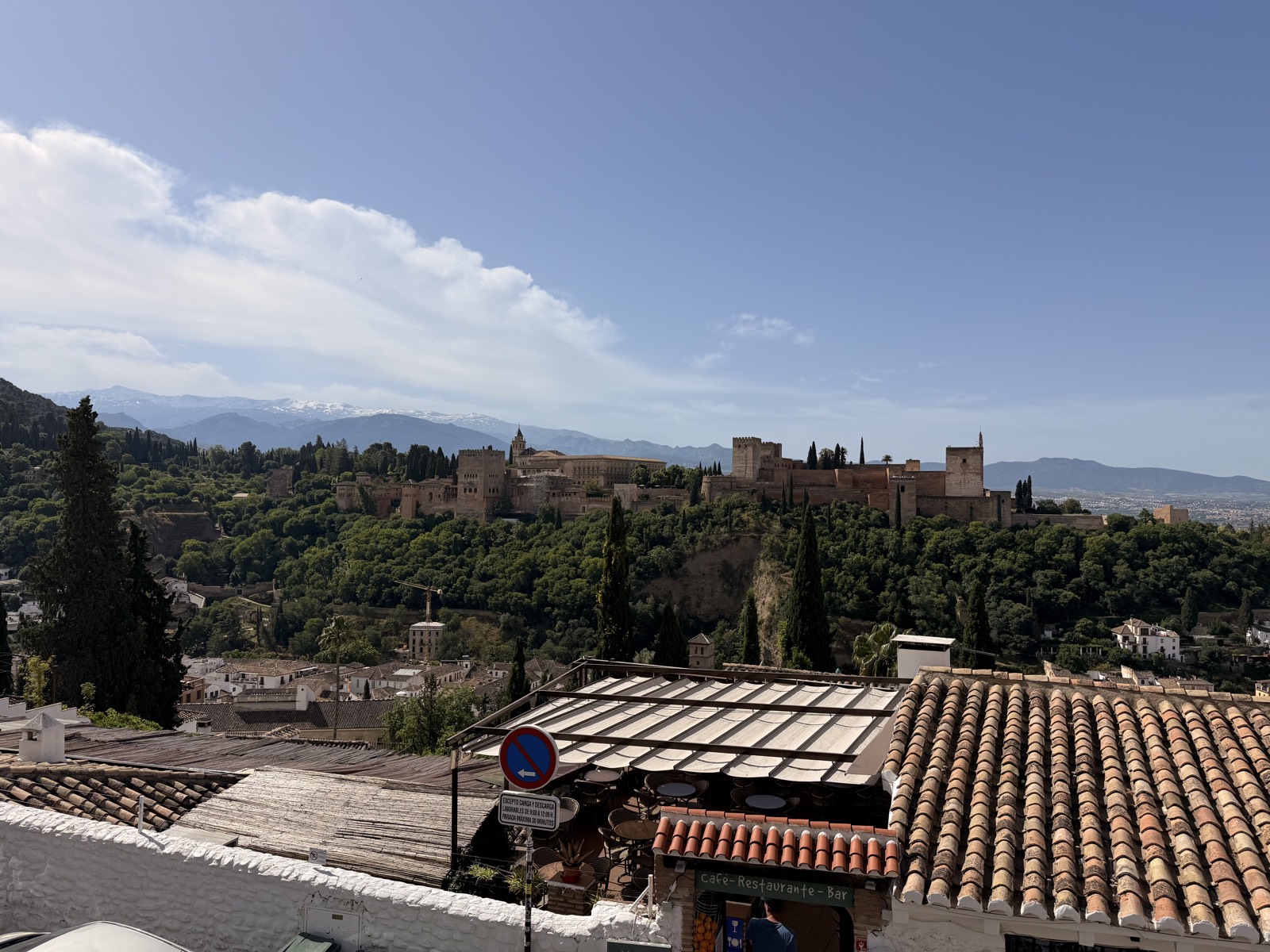
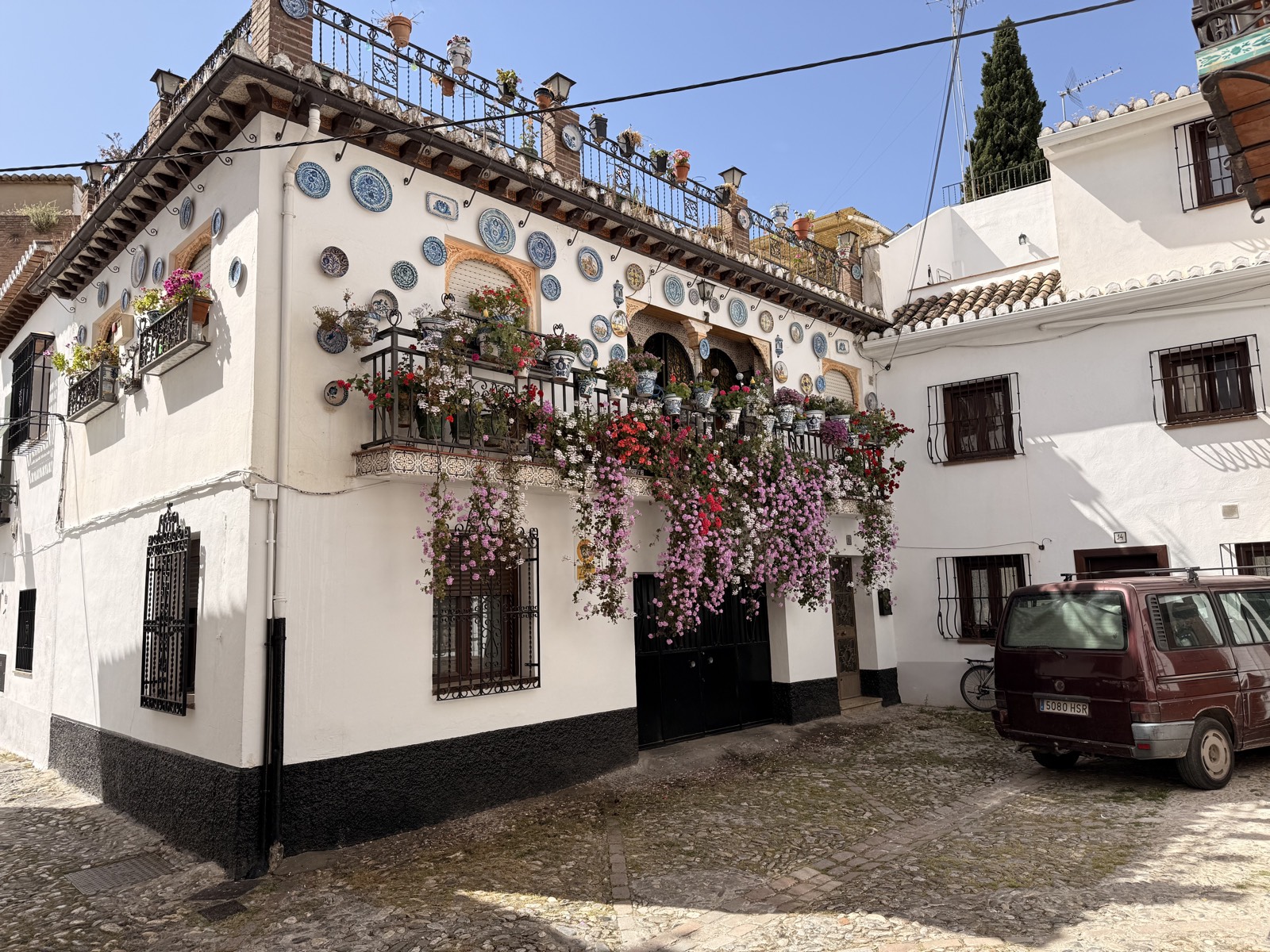
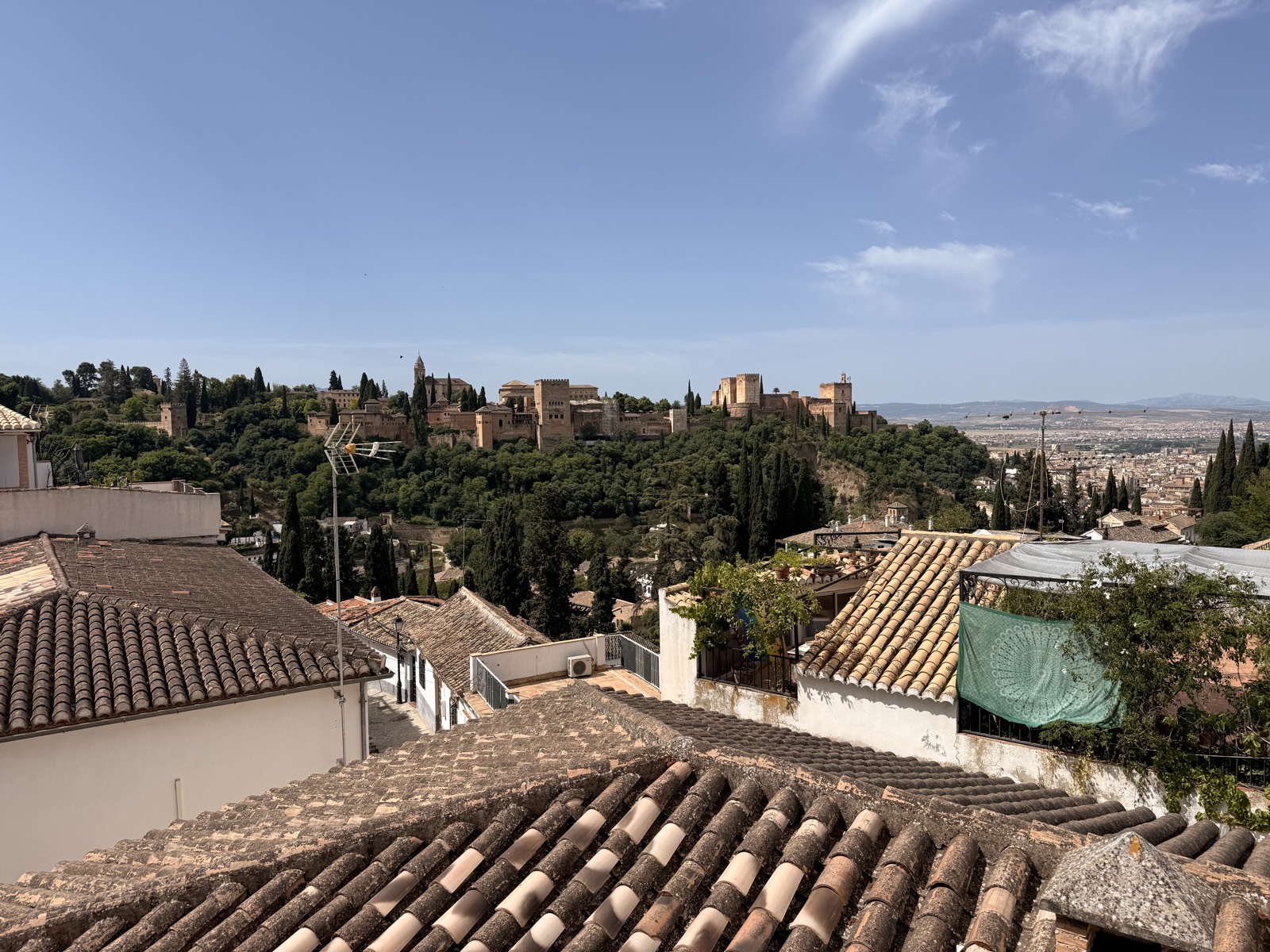
If I were going to move to Europe, it would be somewhere in Andalusia. I noticed myself running the numbers in my head about how livable it would be. That is not a decision, just a thing I noticed.
What is next
I am in an Airbnb outside Barcelona for two days, working, repacking, resting. Tomorrow night I take the overnight ferry to Sardinia. Jessy is flying out to meet me. We will hang out together for four days. After that, Corsica, southern Italy, and eventually the Balkans for a month.
I will write the next post from somewhere on the islands or in Italy.
A few things I noticed
Three more observations from the first three weeks, written down so I do not forget them.
Decisions, fast. I make decisions quickly given the information I have, and I do not hesitate to change them when new information arrives. I think this comes from playing a lot of chess as a kid. Some moves you take time on, some you do not, and the amount of thinking should be proportional to the cost of getting it wrong. The clutch was a fast decision. The will was a slow one. I have watched friends agonise themselves into paralysis on choices that did not need that much weight. The agony itself becomes the obstacle.
Two voices, both useful. There is the voice that says go, do it, lean in. There is the voice that says be careful, what could go wrong. I lean toward the first one and it has served me well, but it would be reckless on its own. The second voice is what wrote the will and called the German broker and noticed the punctured clutch reservoir before it was too late. I do not want to silence either one. I want both at the table when I am making the call.
Connections make things work. Sri and Shama for the soft landing. My men's group for the support, the will executor, the truck, the check-ins. Roz for looking after my cats and my home. The Facebook group that led me to the German broker. Pete on the ferry. Idris in Fez. The BMW Santander team who solved my clutch problem from across an ocean. Jessy who is flying out to see me. None of this trip is happening solo in any real sense. I want to remember that the next time I am tempted to think I did anything alone.
More soon.
The next leg is up: Granada to Lake Ohrid.